
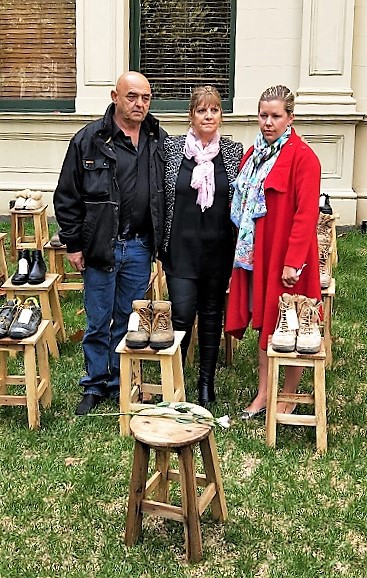
On the issue of Industrial Manslaughter laws, Lana Cormie (pictured far right) said:
“Employers need to have motivation to do the right thing, ’cause clearly they don’t do it off their own back. So, if that means, if this’ll be the difference between them making OH&S a high priority and not, then it needs to be done. And I think all the other benefits for the men on the ground, and the women on the ground, will filter down from that. “
Her comments on International Workers Memorial Day emphasises that the introduction of these laws is not so much about new laws but the failure of the existing ones and of their application. Over time, the general commitment to implementing occupational health and safety (OHS) has declined in many workplaces or, at least, has not progressed in the way expected by the safety law makers of the 1970s and 1980s.
Government has relied on the increase of financial penalties as the major deterrent Continue reading “Why are we arguing about Industrial Manslaughter laws?”
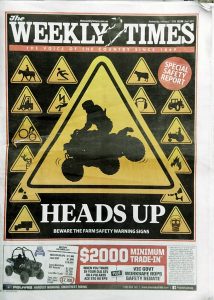
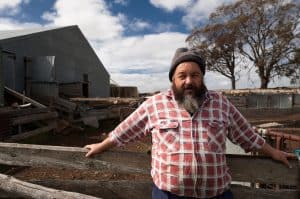 Australia’s occupational health and safety (OHS) agenda seems largely dictated by high risk industries like construction in some States and the mining sector in others. But agriculture is common to all Australia States and is consistently included in the official and unofficial workplace fatality data. New research has been released into serious farm injuries and which voices are the most effective in improving the situation.

 Rail-related suicides are tragedies that ripple throughout society affecting families of the suicides as well as the train drivers, their families and their colleagues. Various strategies are being trialled but often the results of interventions are hard to quantify. At the annual conference of the