

RUOK? Day is held in September each year in Australia. The workplace suicide awareness campaign has been very successful, but over time, I have observed a decline in effectiveness, certainly at the local communication level. It may be a victim of its own success as almost all awareness campaigns struggle to maintain their original freshness. Perhaps it is time for a change. Perhaps that change is being forced upon us.
Category: Uncategorized

Discount International Subscription Offer
To all readers who do not reside in Australia, SafetyAtWorkBlog is applying a 50 per cent discount on annual subscriptions for the month of September 2023. This drops the subscription price to $125 Australian dollars.
This subscription provides full access to over 3000 work health and safety articles, but for September and October, there will also be a number of commissioned articles from OHS specialists on OHS from different and international perspectives.
SafetyAtWorkBlog will also be covering the 23rd World Congress on Safety and Health at Work to be held in November 2023 in Sydney, Australia – Exclusive content and exclusive interviews.
If you are interested in this special discount offer, email HERE for the special discount code before subscribing.
Working in Heat, and Gwarda
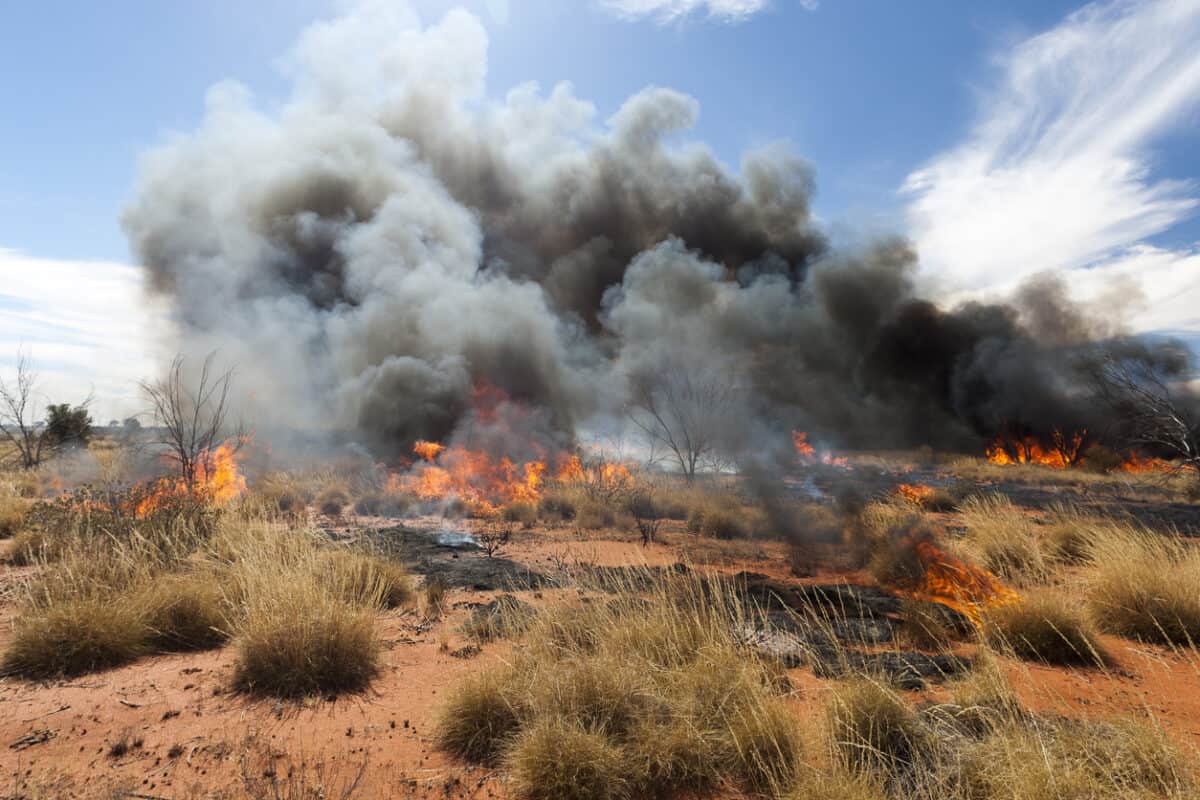
New research into working in excessive heat concisely summarises the socioeconomic impacts but misses the obvious strategies to prevent or diminish these impacts. It also includes impacts on productivity, but heat and climate change are not in the current Australian business group discussions about productivity. Those groups could benefit from understanding Gwarda.
Why is profit put before safety?
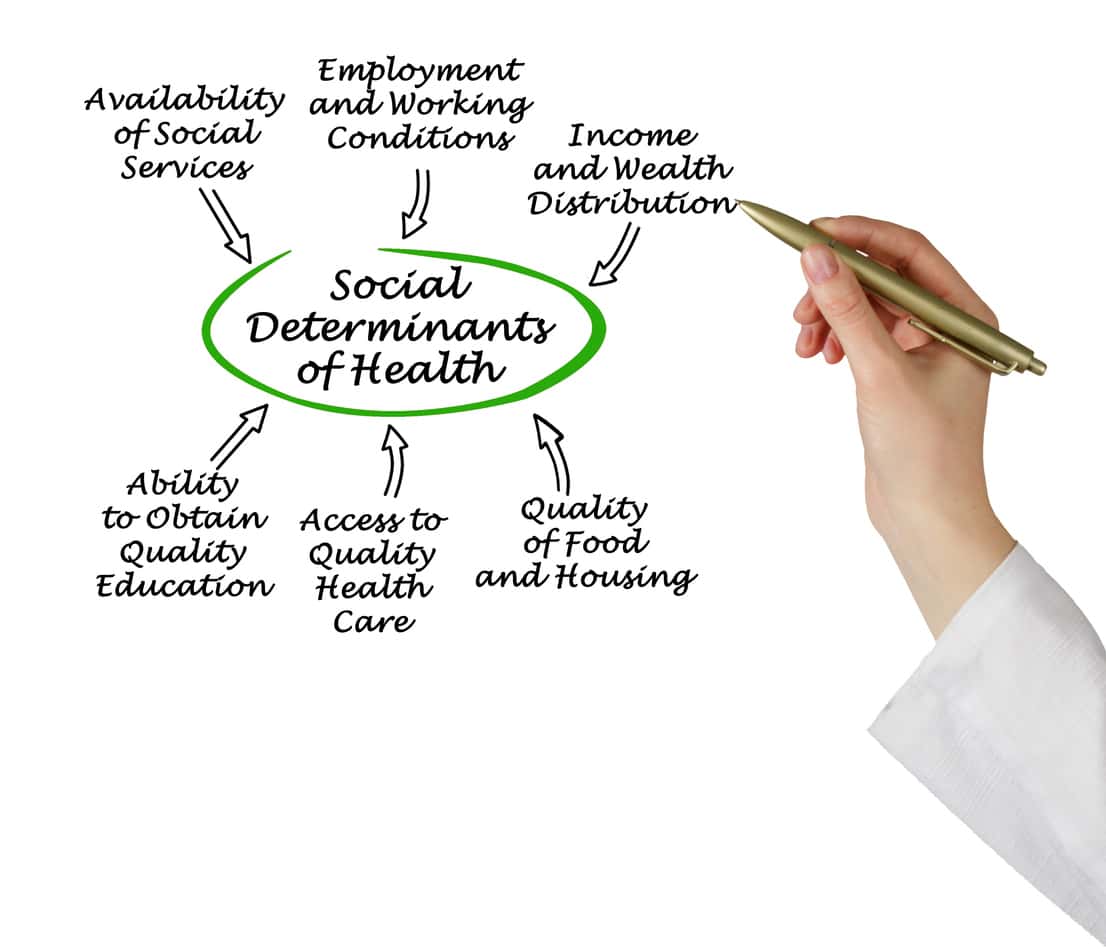
Occupational health and safety (OHS) is a remarkably insular profession. It tends to narrow its focus on legislative compliance even though Social Determinants of Health is a core unit of tertiary OHS education. OHS professionals are also notably weak in understanding the business realities that their employers and customers face. This inability to understand the economic realities is a common criticism of OHS, not reflecting “common sense” and being naïve.
To understand OHS’ limitations and potential, it is necessary to have a basic knowledge of the economic and political ideologies under which clients and employers work. “The Big Myth – How American Business Taught Us to Loathe Government and Love the Free Market”, by Naomi Oreskes and Erik M Conway, contributes to that understanding.

Burnout is the new Stress
Burnout will continue to be a trend for discussion papers and marketing brochures for some time to come. A recent one, from Udemy Business is a good example of discussion without action. If we were to replace the word “burnout” with “stress”, the paper could easily have been produced over twenty years ago.
Many of the data sources will be familiar – Gartner, Gallup, McKinsey, Deloitte. The Gallup Research included these top five causes of burnout:

There’s more to the Right to Disconnect than just ignoring the boss
The Australian Labor Party (ALP) conference has endorsed the concept of the right-to-disconnect, according to an article in The Australian. Sadly, the reporting on the change has a dismissive tone on what is an attempt to address the increasing costs of mental health at work. Readily accessible and recent survey data on the right-to-disconnect could have been used for a fuller analysis.
Journalist Ewin Hannan wrote:
Softly, Softly, Catch the Monkey
As with most political party conferences, occupational health and safety (OHS) is a fringe issue. OHS or safety is sometimes mentioned in the big political speeches but often as an afterthought or obligatory mention that is rarely explored to the extent it deserves. The Australian Labor Party (ALP) recently held its national conference in Brisbane. Work health and safety was mentioned.
The ALP Conference is not intended to change Australian government policies. Its aim is to review and revise the ALP Party platform; it drops what may be redundant and improves the policy platform’s relevance. The conference may indicate party member concerns to the parliamentary members, but the government’s positions are for the parliamentary members to decide.
It should come as no surprise that the ALP has again refrained from banning the import and use of engineered stone even though the silicosis risks are well-established.