

Recently accusations of bullying have been made by members of Opera Australia. The details are reported in Limelight, but the newspaper article by Nathaneal Cooper is more illustrative of the general workplace mental health challenges of those in the performing arts. Performers are one of the most visible and fragile sectors of insecure and precarious work. Solutions to hazards and clues to strategic improvements might be more evident and practical if the bullying was assessed through the prism (and legislative obligations) of occupational health and safety (OHS) and insecure work.
Category: wellness

Political point-scoring misses the point
Last week the Australian Financial Review (AFR) caused a bit of a political stink by reporting that:
“….Australian Bureau of Statistics figures show the share of casual employment was 22.8 per cent in February – 1.3 percentage points lower than in February 2020, just before the pandemic hit the economy.
AFR, April 12 2022 – Albanese’s casual jobs claim is ‘wrong’, according to ABS data
The casualisation rate is 4.8 percentage points below the peak of 27.6 per cent in 2003.”
The figures seem accurate but do not tell the whole story. How are employment statistics relevant to occupational health and safety (OHS)? Job insecurity is a significant factor in work-related mental health.

Why don’t we act on the evidence?
Several years ago, I worked for an organisation that handed out awards for exceptional efforts and achievements. One time the award was given to a worker who had worked in the office for most of the weekend to meet a semi-important deadline. I was horrified as that worker had sacrificed important “downtime” with family friends and his own welfare with no time in lieu. But he was lauded by the boss.
Rewarding those who sacrifice their own health and safety for the apparent good of the company must change as there is increasing evidence that working long hours increases serious health risks. An extensive research project for the World Health Organisation has found:

A**hole Bosses – author perspective
Every couple of days, I receive media releases about new books, usually from Northern America, and interview opportunities with authors. If the subject ties into the themes of SafetyAtWorkBlog, I will email back for more information, including some questions. This usually results in a polite decline to cooperate as the “book does not suit your readership” or “the author feels that, although your perspective is valid, they feel it is outside his area of expertise”.
Those questions are usually about the influence of the working environment and organisational structures on management decisions and conduct. This week Tamica Sears, author of How to Tell if You’re an A**Hole Boss: A Humorous, Yet Honest Exposé on Misguided Management Behaviors, provided some perceptive responses. (Note: I have not read the book, so this is not a review)
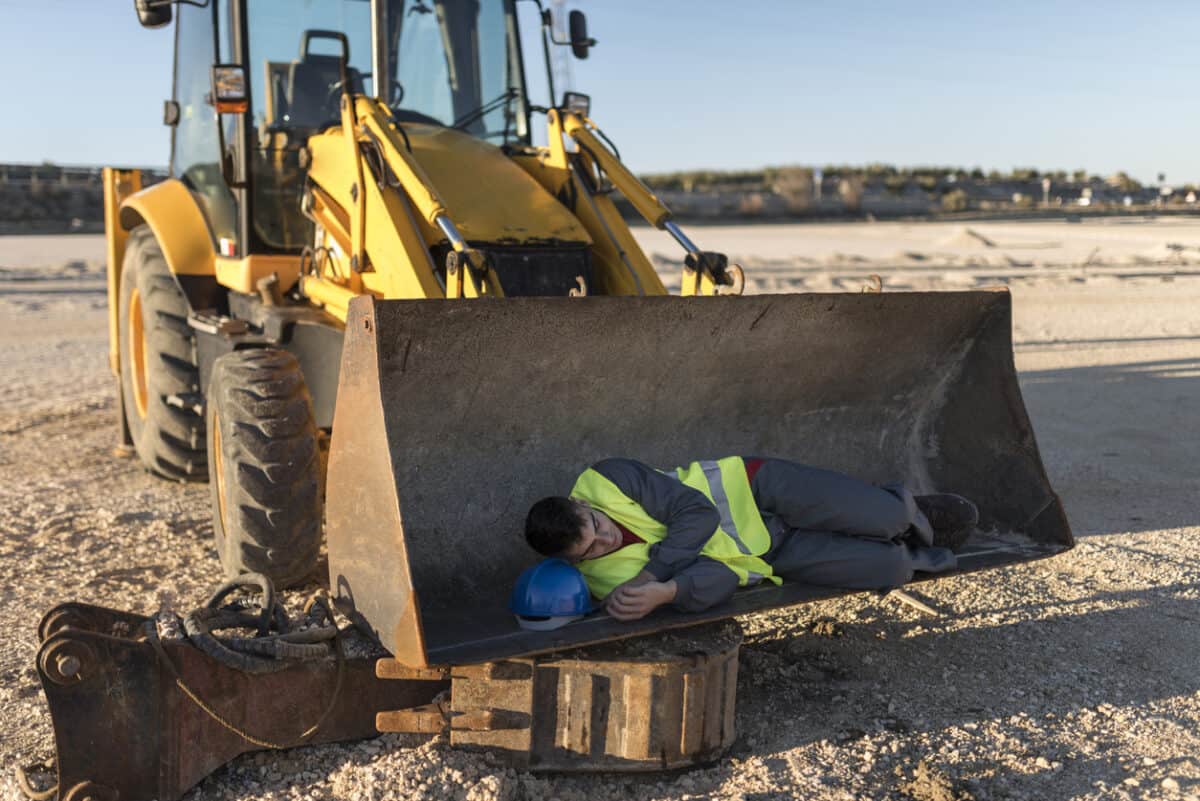
We need a revolution in how we think about working hours
If there was only one way available to improve the health and safety of workers in Australia, it would be to limit and enforce working hours to those in the official Awards and job descriptions.
This situation which would really be simply a case of working-to-rule, would need to be supported by other not unreasonable changes, in no particular order:

“Insecure work is absolutely toxic”
The Victorian Government is trialling the provision of five days of sick, and carers’ leave for casual workers. This was announced jointly by the Premier Daniel Andrews and the Minister for Workplace Safety, Ingrid Stitt on the Labour Day public holiday, indicating that this is a big reform and one directly related to occupational health and safety (OHS). But the OHS arguments are not at the fore, regardless of the quote from the Premier that is the headline above.
The OHS context of precarious work has been articulated clearly and over many years by many Australian researchers. The lack of serious action by employers to address the structural causes of physical and psychological risks related to precarity offers a good indication of the values and priorities of business owners and employers.
Into this void, the Victorian Government has stepped. Sadly, it is a mini-step that offers more political benefits than tangible change, especially in an election year.
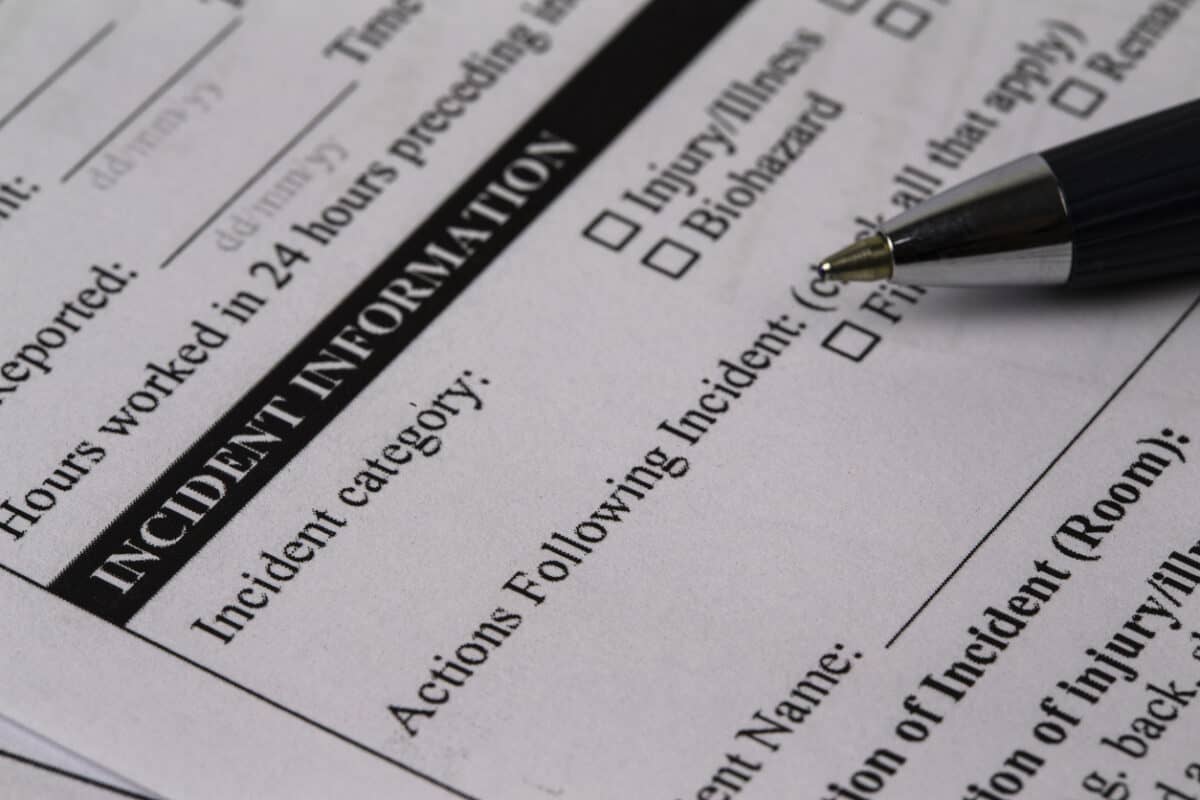
Notifiable psych injuries may be what’s needed
Recently the Victorian Government proposed six-monthly reports on psychologically hazardous incidents from employers to the OHS regulator, WorkSafe. The aim is to improve the pool of data available to the government in order to tailor harm prevention and reduction initiatives and a red tape campaign from employers is expected. These incident summaries are not the same as reporting a Notifiable Incident to WorkSafe but the notifiable incidents categories are overdue for a review and, maybe, an expansion.