
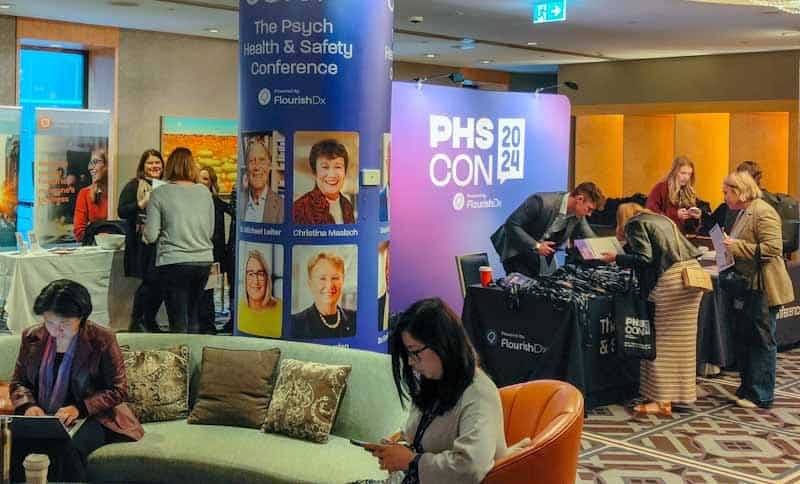
Recently, Sydney, Australia, experienced the inaugural Psych Health and Safety conference managed by Flourishdx, a prominent Australian consultancy that identifies and helps companies manage psychosocial hazards at work. There were around 400 delegates in person and online. The conference was a gamble for Flourishdx, and it largely paid off, but contrary to some of the overly effusive posts on LinkedIn, it was a curious beast.
Category: wellness
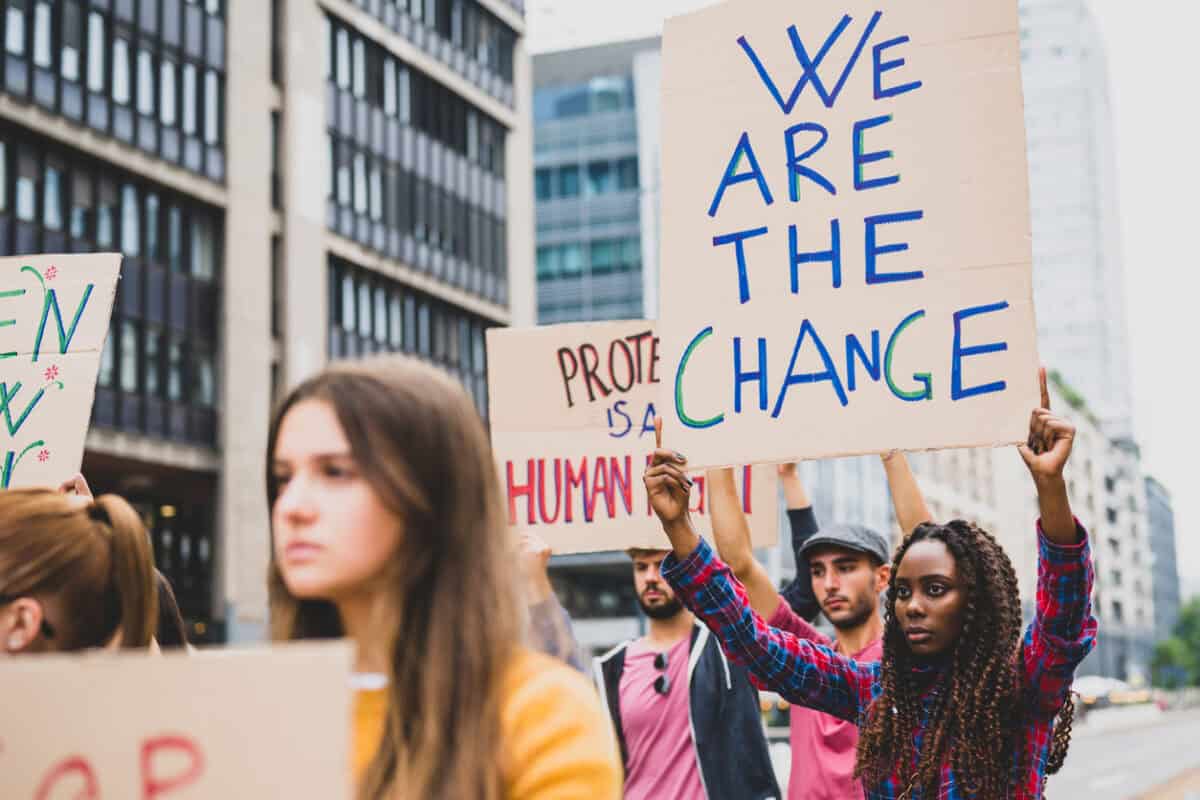
We must understand the social pressures on employer safety decisions
There is a cost-of-living crisis in large parts of the world, there is a climate emergency, there are wars and political instability and insecurity everywhere. Why is occupational health and safety (OHS) still considered important? Well, it isn’t really when compared to these global and existential crises, but that is the microcosm in which we operate. However, this does not mean we should withdraw into our safety shells and ignore the world. We can’t; the world intrudes on our microcosm and affects us directly and indirectly.
So, it is useful to understand how pressures external to our work and workplaces affect our choices and the choices of employers.
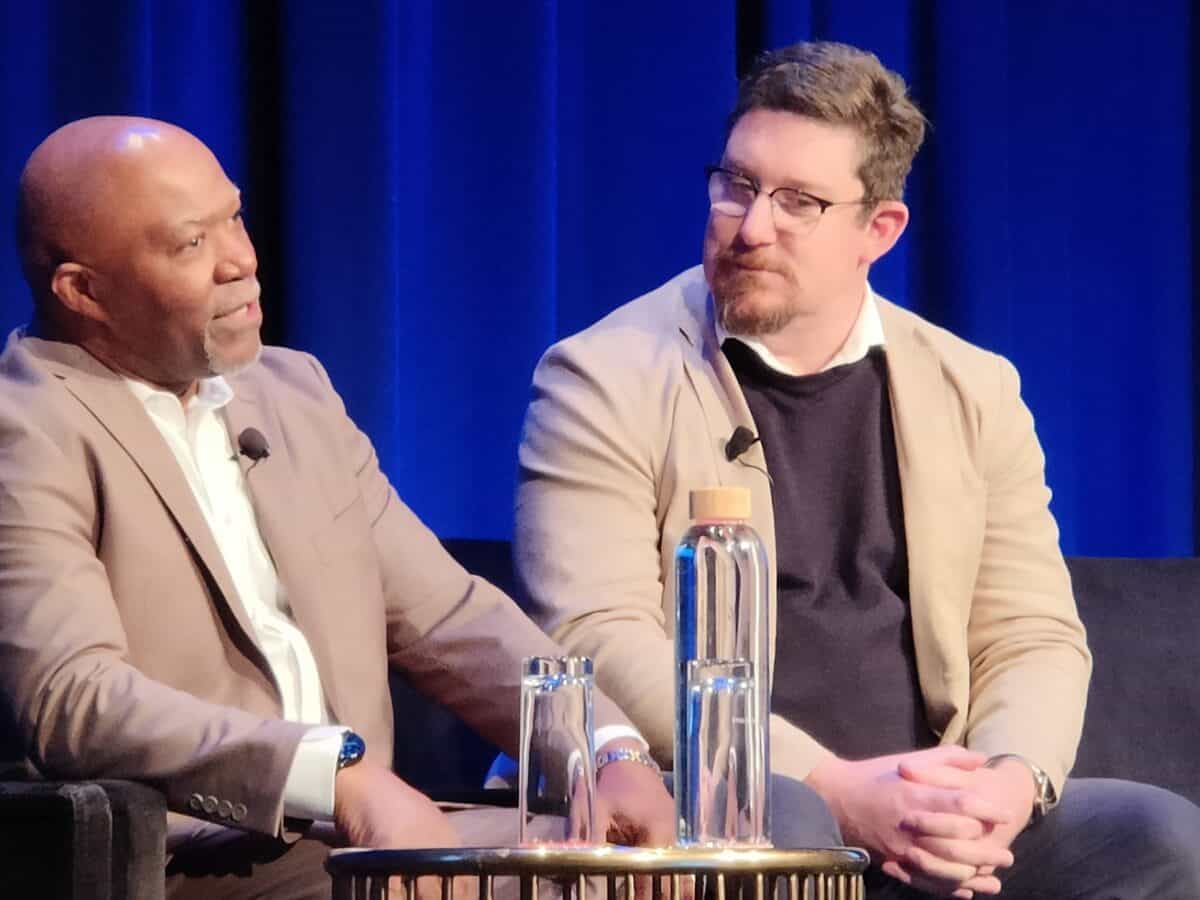
I David Daniels’ US perspective on psychosocial risks at work
Many conference delegates spoke highly of international speaker I David Daniels at the recent Psych Health and Safety conference. Daniels has a long occupational health and safety (OHS) career and hosts the United States version of the Psych Health and Safety podcast. His OHS perspectives, including his discussions about race, were significant.
Continue reading “I David Daniels’ US perspective on psychosocial risks at work”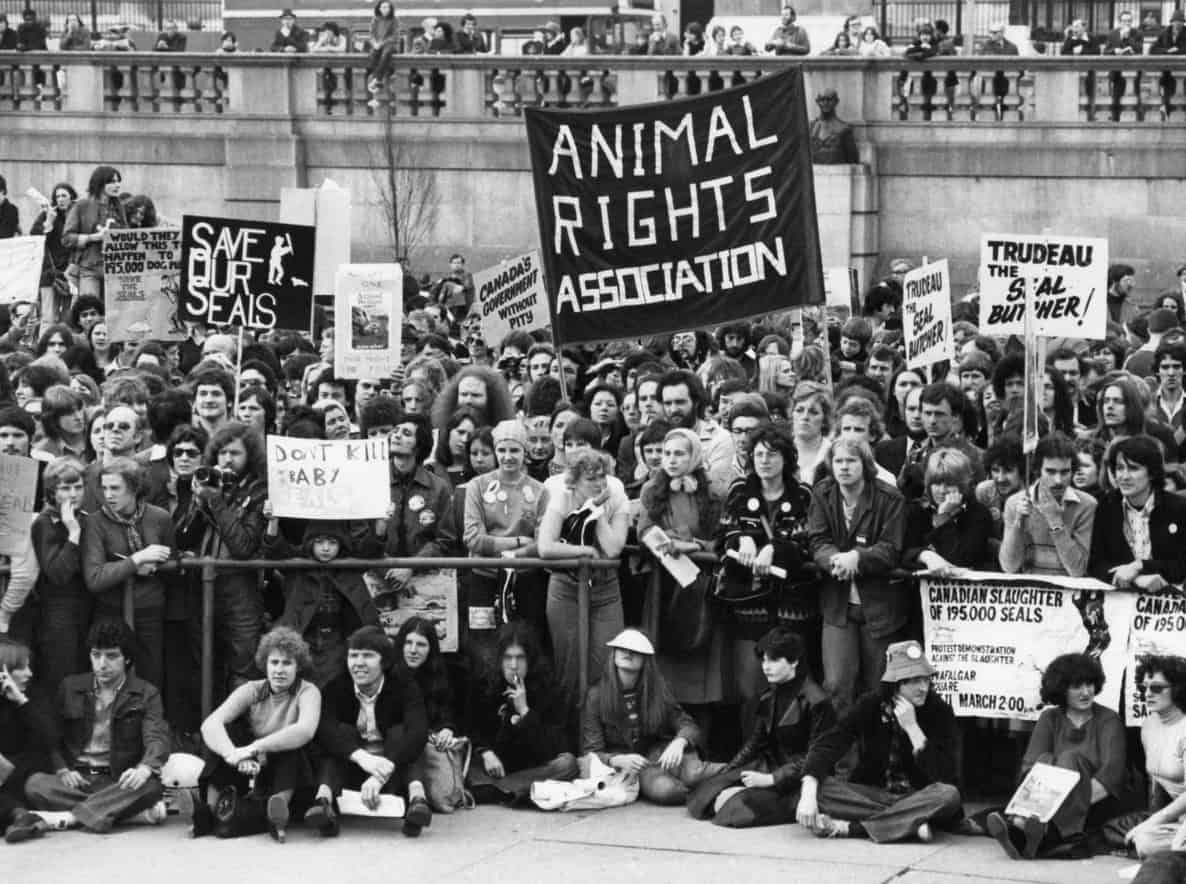
A broad perspective on Work, OHS and Mental Health
A whole generation of workers has grown up believing that if they are having a hard time at work, if they are not coping with the workload or the sexual advances of their boss, or their difficult workplace, or the discrimination they feel about their gender or their sexuality, that it’s their fault, and it’s their problem, and therefore, it’s their role to solve and fix it. But there were generations before the current one, and I’m from one of those earlier generations. When I started work, there was good work and safe jobs, and there were social movements for women’s rights, and then gay rights and dignity at work, and respect at work. It was far from a paradise, but there was exciting progress and lively, challenging debates and social protests. A little of that passion has returned this decade, but more is needed.
Slow progress on mental health at work
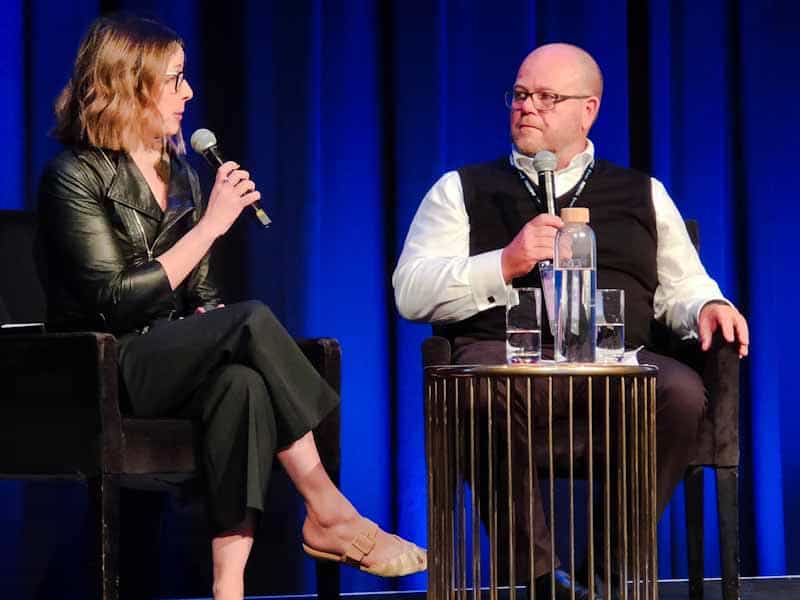
Delegates at the recent Psych Health and Safety Conference were desperate for case studies on how psychosocial hazards are being prevented in Australian workplaces. Instead, they were largely presented with examples of how to manage psychosocial hazards, and many of those strategies were unsurprising – policies, training, counselling, leadership buy-in – and were familiar to those who have been applying well-being programs in their workplaces for years. Several speakers called these strategies bullshit. The most vocal of these speakers was David Burroughs, who was at the conference in a personal capacity.
Continue reading “Slow progress on mental health at work”
The psychosocial message may be getting through
Recent Australian insurer Allianz released survey data that revealed:
“….half of surveyed Australian employees claim they feel fatigued and burnt out”.
This report generated a recent article (paywalled) in the Australian Financial Review (AFR), which included some important comments from Dr Rebecca Michalak. Her comments are an important introduction to a week that includes SafetyAtWorkBlog’s exclusive reporting on The Psych Health & Safety Conference.
Evaluating the effectiveness of OHS interventions and programs
Last month, an extraordinary document appeared – “Evaluating OH&S Interventions: A WorkSafe Victoria Intervention Evaluation Framework 2023 (2nd Ed.).” Its extraordinariness comes from its appearance with no fanfare or promotion; it is a second edition of something published in 2004 (which I cannot recollect), it has authoritative authors, and it is a document many have been asking for.