

In New South Wales, reduced workers’ compensation for those workers suffering from a mental injury remains a politically hot topic. Independent Member of Parliament, Alex Greenwich, asked the Minister for Work Health and Safety, Sophie Cotsis, about maintaining “the sustainability of premiums”. This opened the door for Cotsis to inform the House and to attack the (Conservative) opposition. The debate highlighted the continuing misdirection from much more important and key occupational health and safety (OHS) reforms.
Category: workers compensation
When Safe Work Month Shrinks and Psychosocial Hazards Expand
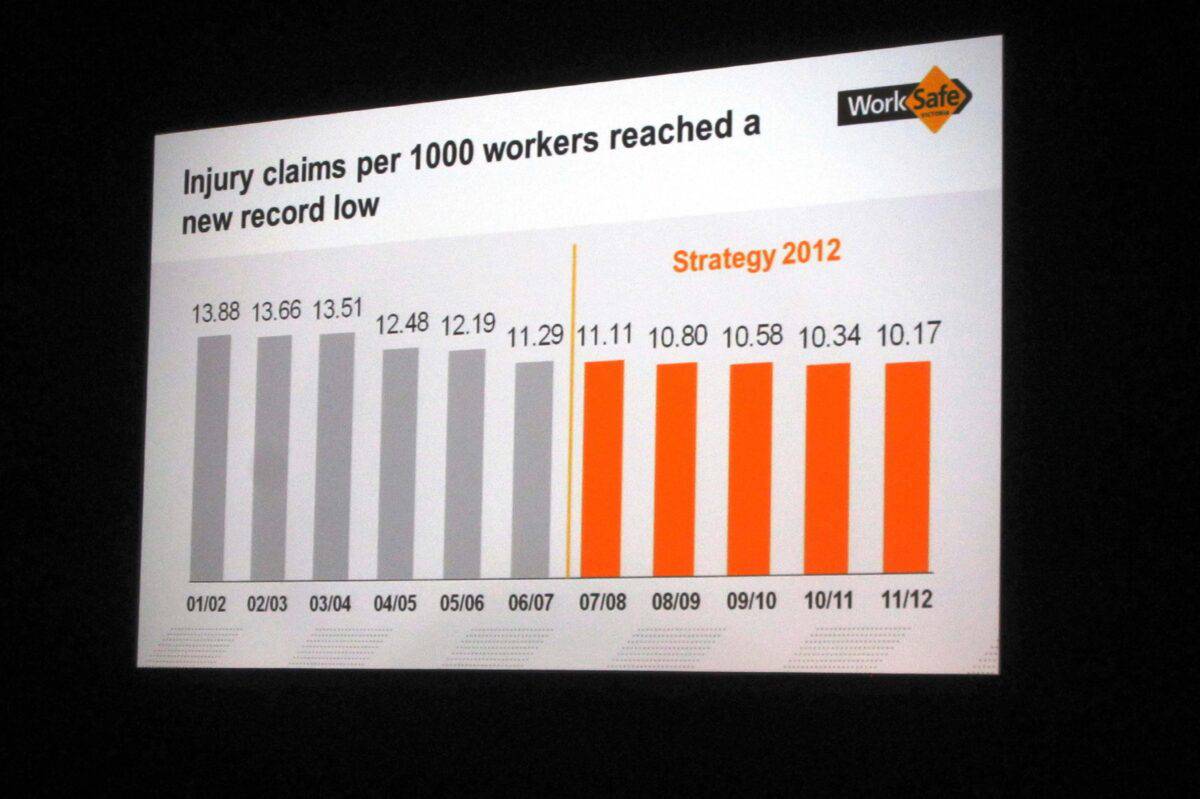
WorkSafe Victoria used to launch National Safe Work Month (or Safe Work Week as it started out) in a big way in Melbourne. They tried something similar when it relocated to Geelong, but this year, there was nothing of the same magnitude. There was some strong publicity benefit from having a big half- to full-day event at the start, but apparently, there was no additional benefit beyond that.
I would argue that the big event for this year’s safety month is the “Psychological Health Regulations: A focus on risk management” webinar on October 27, 2025. The new regulations and Compliance Code are what everyone seems to be talking about. For contrast, I have reviewed some of the presentations from the opening of WorkSafe Week in October 2012 by WorkSafe and VECCI.

The ACT’s Evasive Response to Horse Racing Safety Questions
On September 17, 2025, Jo Clay, deputy leader of the ACT Greens, asked the Minister for Skills, Training and Industrial Relations, Michael Pettersson, about workplace deaths in the Australian Capital Territory horse racing industry, pointedly:
“What regulatory action is the government taking to try to make this industry safer?”
Australian Football Needs Better Workers Compensation
[Guest post by Eric Windholz]
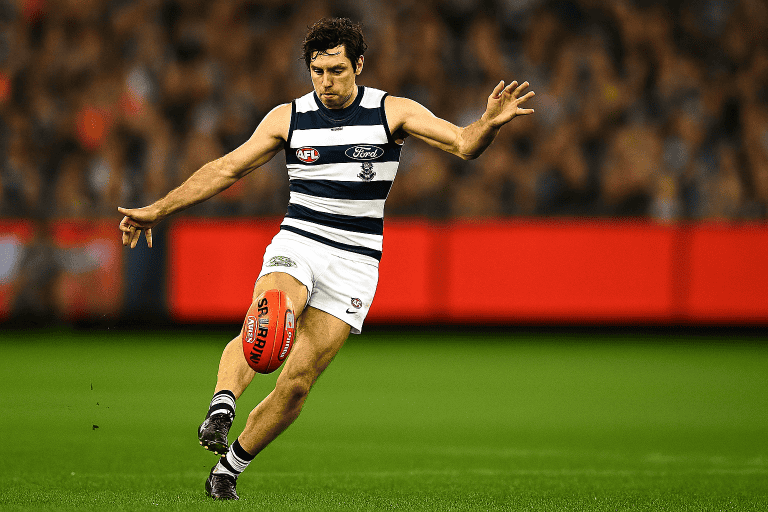
Last week I again had the pleasure to contribute to the Headfirst: A Concussion Podcast, this time talking about recent developments concerning the compensation of athletes (and in particular, AFL (Australian Football League) players) suffering concussion. The key takeaway – the more things change, the more they stay the same.
Continue reading “Australian Football Needs Better Workers Compensation”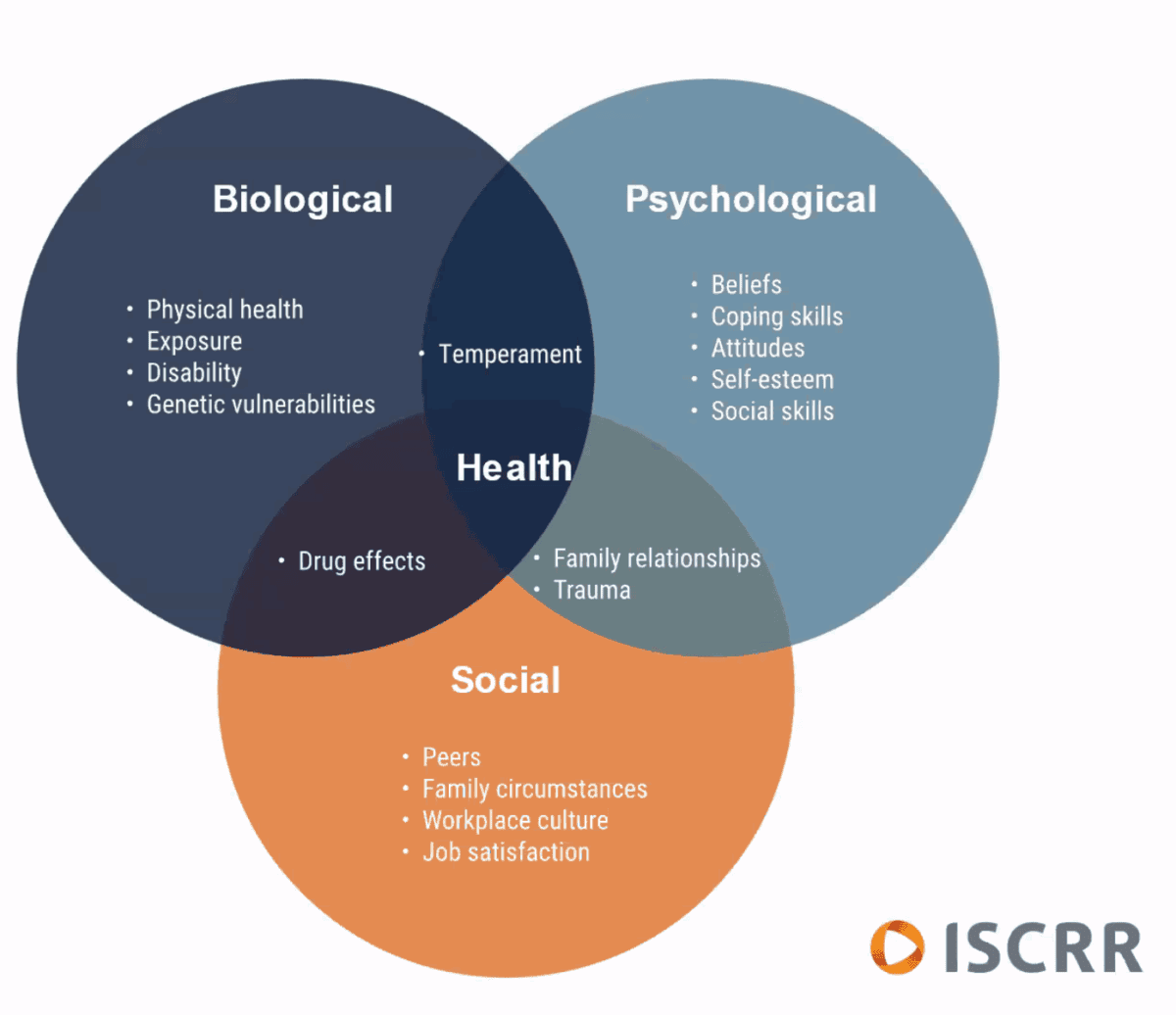
Incident investigation and the triaging of workers’ compensation claims
Earlier this week, the Institute for Safety Compensation and Recovery Research (ISCRR) conducted a seminar called “Using Biopsychosocial Risk Profiling to Inform Claim Triage“. Workers’ compensation claims are not a focus for this blog, but attending events peripheral to one’s own discipline sometimes enlightens. There were a couple of moments when the occupational health and safety (OHS) approach came up in discussion.
Is Defence Above Safety Scrutiny? Lambie Wants to Know
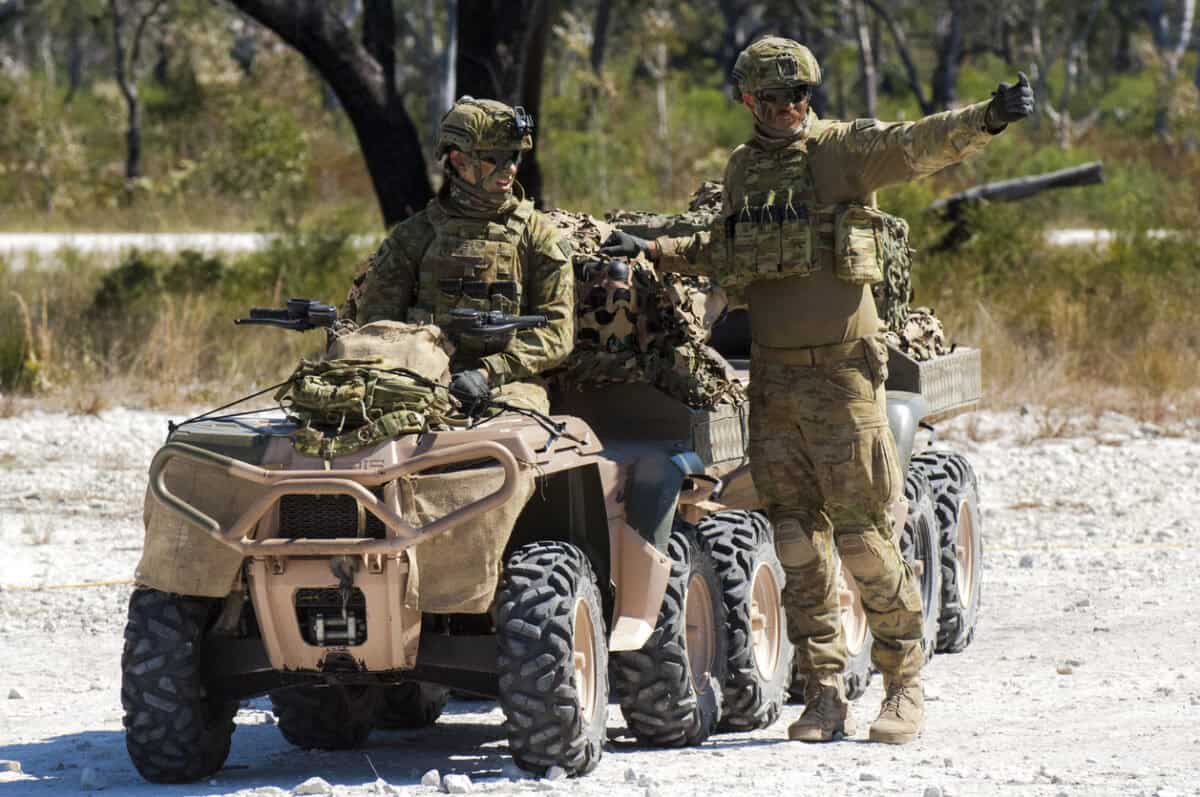
Senator Jacquie Lambie has been a staunch advocate for improving the occupational health and safety (OHS) of Australia’s defence force personnel. In 2022, she gave a confronting presentation to the Royal Commission into Defence and Veteran Suicide, and she continued her advocacy on day 1 of the 48th session of the Australian parliament by asking reasonable questions that could also be posed in non-military industries.
Tough questions about psychosocial safety and health
Over the next week or so, SafetyAtWorkBlog will be focusing on the issue of psychosocial hazards and psychological risks at work, as we cover the Psych Health and Safety Conference in Sydney. These risks and hazards are the most pressing topic in occupational health and safety (OHS) at the moment, with an increased demand for solutions from workers and the community, as well as heightened expectations for regulatory compliance. I apologise for this intense focus, but I welcome your comments and participation.
I will start by posing this question:
“The Australian approaches to psychosocial hazards and psychological safety in Human Resources and Work Health and Safety have been siloed in the past. Are the approaches getting closer? Is there more cooperation between the two or are the two disciplines’ aims still too different?”