More activity needed on safe driving at work

In Australia a driver can achieve a “full”, unrestricted licence for driving a car from one’s early 20s following a test conducted by a State regulatory authority.  This driver’s licence is renewed each ten years but without any retesting or assessment of competency, even though the road rules, environment, traffic volumes, car design and personal technology would have changed in that time.

Should an employer allow an employee to drive a company or work-related vehicle without determining a driver’s suitability and level of driving competence?


Subscribe to SafetyAtWorkBlog to continue reading.
Subscribe Help
Already a member? Log in here

Autonomy, safety, diversity, equality and productivity

Photo taken by Angelo Kehagias

Discussion about gender in the workplace peaks each year around International Women’s Day on March 8.  Occasionally there is renewed localised interest when an issue pops up but the issue of gender permeates our thoughts, our planning and our conduct all the time.

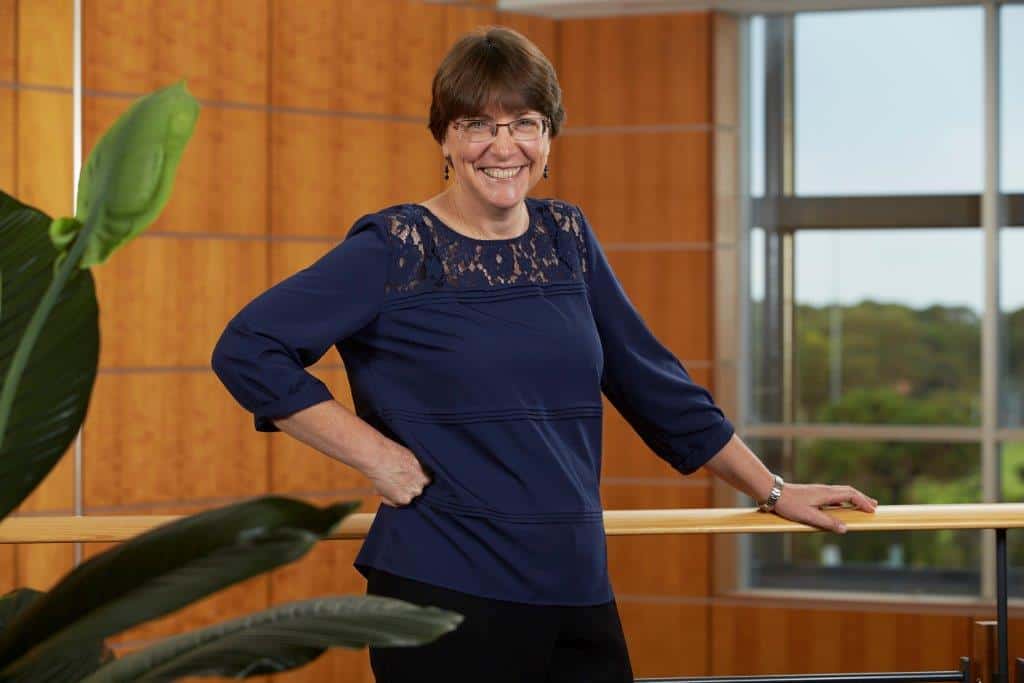
Recently, SafetyAtWorkBlog had the chance to ask some questions about gender and diversity and the relevance to the workplace and the occupational health and safety (OHS) profession to Alena Titterton (pictured above), a fascinating workplace relations lawyer with the Australian offices of Clyde & Co.

Gender diversity seems to be more prominent than diversity generally.  Should gender diversity be given priority over, or be separated from, other categories such as ethnicity or sexuality?

Subscribe to SafetyAtWorkBlog to continue reading.
Subscribe Help
Already a member? Log in here

For What Steve Bell Tells – OHS issues for 2017

Steve Bell is a partner with Hebert Smith Freehills (HSF) in Melbourne, Australia.  As many law firms do, HSF conducts several events each year to inform clients and others of occupational health and safety (OHS) and labour relations issues.  In March 2017 Bell, who is the regular host at these events, spoke at a breakfast seminar held jointly with the Safety Institute of Australia, and identified several safety issues as becoming prominent in 2017:

  • Increased penalties
  • The risk of complacency
  • Increased interplay between OHS and industrial relations
  • Focus on public safety elements of OHS
  • the review of regulations.

Below are some thoughts on the issues raised by Steve Bell.

Subscribe to SafetyAtWorkBlog to continue reading.
Subscribe Help
Already a member? Log in here

OHS changes to come in wake of the Western Australia election result

It is rare to find an occupational health and safety (OHS) seminar that is captivating but there is almost always some useful bits of safety information, hopefully enough to make attendance worthwhile.

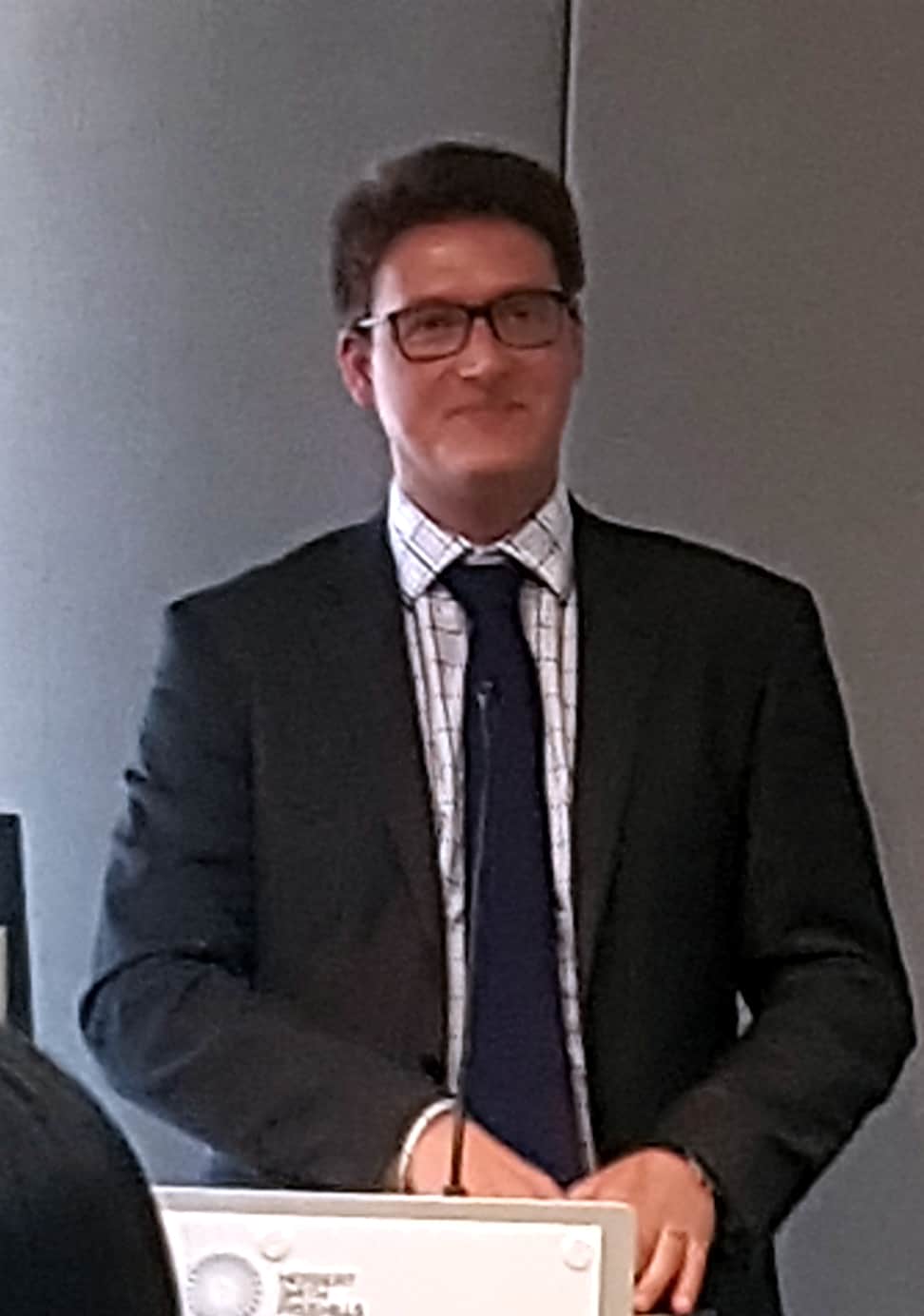
On March 24, 2017 the Safety Institute of Australia and Herbert Smith Freehills (HSF) held the annual breakfast seminar in Melbourne.  Speakers included representatives from the HSF law firm, the SIA, WorkSafe Victoria and SafeSearch.  Perhaps of most interest was HSF’s senior associate from Perth, Sam Witton (pictured), who outlined the OHS changes likely in Western Australia now the Australian Labor Party (ALP) is in power.

Subscribe to SafetyAtWorkBlog to continue reading.
Subscribe Help
Already a member? Log in here

US says “nothing to see here, move along”

The United States media continues to scrutinise the Department of Labor (DoL).  On March 13 2017, The New York Times (NYT) expressed concerns about the lack of official media releases from the department, comparing the actions under a Trump administration against the Obama occupational health and safety (OHS) strategy.  Some are claiming this to be a deliberate strategy but, until the Labor Secretary is confirmed, it may simply be caution.  Such an apparently simple action can have broader effects on OHS management, as Australia learnt. Continue reading “US says “nothing to see here, move along””

OHS and Professor Lin Fritschi

Professor Lin Fritschi is a cancer epidemiologist with a particular interest in occupational causes of cancer. Lin’s work often pops up in the occupational health and safety (OHS) sector and research journals but SafetyAtWorkBlog has never met her and wondered what she thought about OHS.

This article is the latest in the series of hearing different voices from academics and prominent workplace safety people.

Subscribe to SafetyAtWorkBlog to continue reading.
Subscribe Help
Already a member? Log in here

Gender diversity and effective decision making

As part of the research for a recent article on Gender and Occupational Health and Safety (OHS) SafetyAtWorkBlog was able to interview Lisa Griffiths, Chief Executive Officer of OzChild and former General Manager Health and Safety at WorkSafe Victoria. Gender equality and diversity may no seem to be an OHS issue but it is a vital element of the legislative obligation to consult and the business imperative of making that decision-making process to be a robust and effective as possible.  Too many past decisions have come from group-think and “yes men” and diversity of thought through diversity of person is desperately needed in modern safety management.

Below are some of the questions put to her, and her responses Continue reading “Gender diversity and effective decision making”

Concatenate Web Development
© Designed and developed by Concatenate Aust Pty Ltd