Missed lessons from work-related traffic incidents

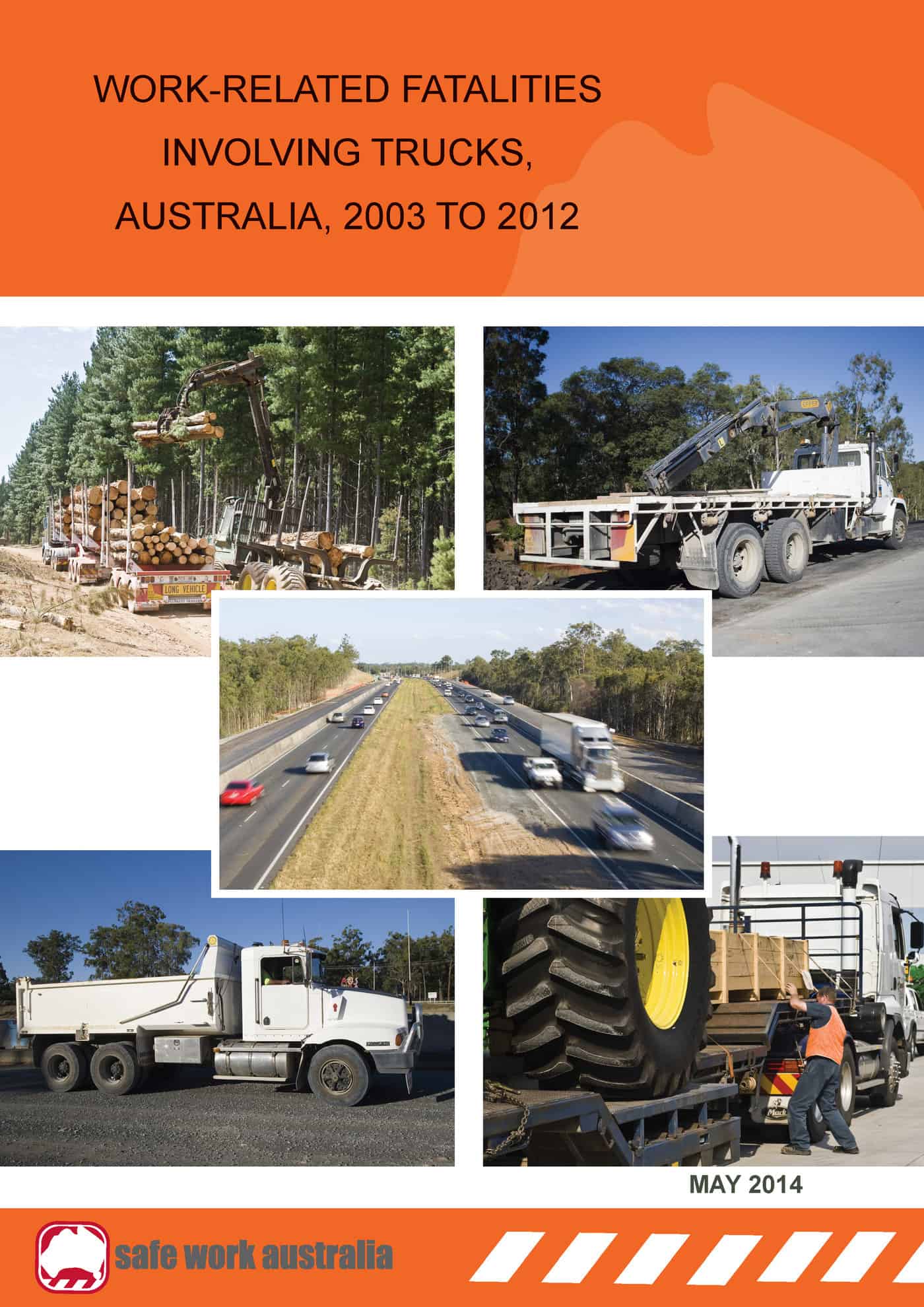
Cover of Work-related-fatalities-involving-trucksIn early 2014 a truck driver drove his vehicle into an intersection, collided with a car resulting in the death of four out of five members of one family. The truck driver, Jobandeep Gill, has been sentenced to 10 years jail.  Video of the incident site shows a company name on the side of the van.  It is not possible to determine who Gill was driving for or what his employment status was but, regardless of this, it seems a work vehicle was involved in the death of four people, and therefore occupational safety laws (OHS) may have been broken.

It is accepted by OHS regulators that a truck is a workplace for the driver and that OHS responsibilities of all workers include

“… take reasonable care for the health and safety of persons who may be affected by the employee’s acts or omissions at a workplace…” (Section 25 of the Victorian OHS Act 2004)

On 25 November 2015, Dr Rwth Stuckey stated at an ISCRR seminar that:

“WRR (work related road) crashes [are the] leading cause of traumatic work-related fatality & injury in most westernised countries.”

So why don’t OHS regulators follow-up WRR crashes by interviewing the truck owners or the employers of the drivers?  Perhaps statistics don’t support Dr Stuckey?
Subscribe to SafetyAtWorkBlog to continue reading.
Subscribe Help
Already a member? Log in here

OHS benefits of motion sensors and contemporary anthropometry

Several years ago, at a workshop over the development of the next Australian National Strategy for occupational health and safety (OHS), participants were asked to forecast an issue that would appear or be useful in the next decade.  I suggested sub-dermal implants that would record or transmit real-time health data.  My suggestion was received with laughter and a little bit of horror.

The sub-dermal implants for OHS monitoring are yet to occur but the electronic collation of important health data has progressed to a high level of relevance. This not only involves measuring body stresses but the bodies themselves. Continue reading “OHS benefits of motion sensors and contemporary anthropometry”

New workplace bullying report raises awareness in UK

imageRecently workplace bullying gained increased attention in the United Kingdom due to media report about a discussion paper released by Advisory, Conciliation and Arbitration Service (Acas).

The report called “Seeking better solutions: tackling bullying and ill-treatment in Britain’s workplaces” is a very good summary of thinking on workplace bullying that acknowledges the Australian experience but seems to indicate that Britain remains in the early stages of tacking the workplace bullying situation after a series of false starts on the issue.

SafetyAtWorkBlog posed some questions about this paper to Dr 

Subscribe to SafetyAtWorkBlog to continue reading.
Subscribe Help
Already a member? Log in here

OHS formally enters professional sports

On November 9 2015, WorkSafe Victoria charged the Essendon Football Club with breaches of the occupational health and safety (OHS) law over its controversial supplements program. This blog has watched how the Australian Football League (AFL), in particular, has acknowledged its OHS obligations and duties.  This interest has been shared by Dr Eric Windholz who wrote about the charges today.

Windholz acknowledges that WorkSafe Victoria has established a formal presence in professional sports with its decision to prosecute.  

Subscribe to SafetyAtWorkBlog to continue reading.
Subscribe Help
Already a member? Log in here

EU provides clues for improving safety management

Cover of ef1551enThe European Union conducts research into occupational health and safety that, although there may be cultural and legislative differences, deserves attention from outside that geographical region.  Recently EuroFound released its annual review for 2014.  There are a couple of research projects that deserve consideration, particularly return-on-investment in construction safety, violence at work, psychosocial issues and precarious work risks. Continue reading “EU provides clues for improving safety management”

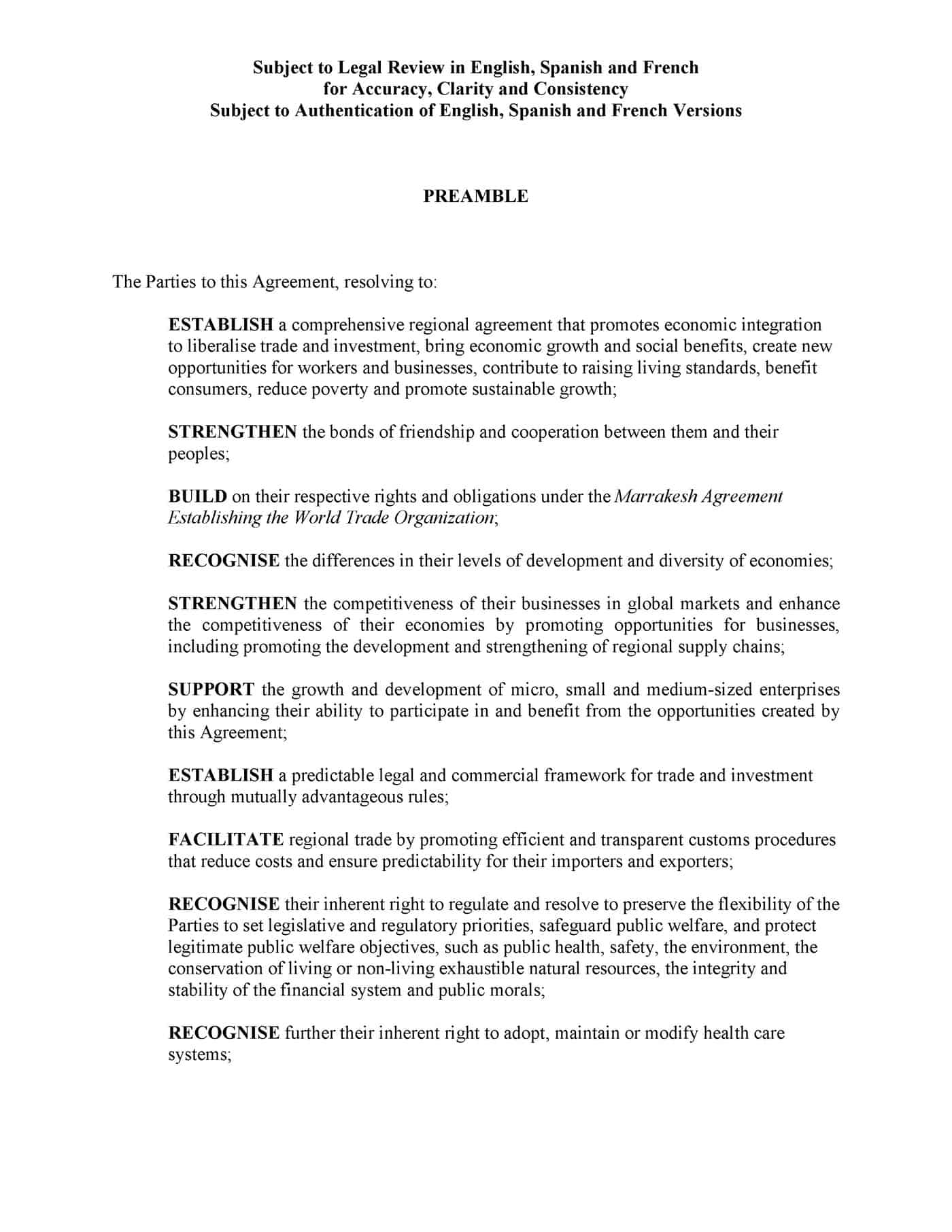
OHS and the Trans-Pacific Partnership

Cover of TPP Text 061115Several weeks ago I was asked by a trade unionist to make a submission to the Australian Government explaining how the impending Trans Pacific Partnership (TPP) would be bad for worker safety.  I acknowledged concerns over labour relations but pointed out that no matter who is working in an Australian workplace, their safety must be managed.  Whether they are a migrant worker or full-time employee was not relevant to the management of their occupational health and safety (OHS).  The trade unionist was disappointed.

Now the

Subscribe to SafetyAtWorkBlog to continue reading.
Subscribe Help
Already a member? Log in here
Concatenate Web Development
© Designed and developed by Concatenate Aust Pty Ltd