
The discussion of Australian occupational health and safety (OHS) education and accreditation continues in the academic press. A recent contribution is from Pam Pryor, Registrar of the Australian OHS Education Accreditation Board (AOHSEAB) entitled “Accredited OHS professional education: A step change for OHS capability” (paywalled). Pryor continues to make the case for the necessity of accreditation for university OHS courses but evidence seems to remain thin and an arbitrary differentiation between competence and capability is hard to understand outside of academic discourse. Continue reading “Accreditation research paper misses the mark”
Category: workplace
Golden Rule, ethics, leadership and workplace safety
 There is a legislative basis for occupational health and safety (OHS) but before the laws, there was morality and it is this morality to which most OHS professionals will refer when asked why they work in Safety. But I know no more about morality than anyone else. So what do I do in these situations? I get a book.
The book I chose was by
Union numbers continue to fall but OHS influence should not
Statistics released in Australia this week show a continuing decline in trade union membership. This has generated some reaction from the union movement but also some suggestions for the future. Trade unions are an integral element of occupational health and safety (OHS) policy setting.
Whether the union movement should continue to be part of the tripartite consultative structure on OHS is debatable given it can no longer claim to represent Australian workers based on the recent numbers. However it can continue to claim it represents the OHS interests of workers even though the majority of workers seem uninterested. Continue reading “Union numbers continue to fall but OHS influence should not”
OHS ROI pilot research in Queensland
Work Health and Safety Queensland (WHSQ) recently revealed some early research into the Return on Investment (ROI) of occupational health and safety (OHS) controls. (Thanks to a reader for pointing it out) According to its website:
“Recent pilot research in several Queensland organisations found clear evidence of the cost effectiveness of safety interventions, including:
- an automatic shrink wrapping machine at Rexel’s Tingalpa distribution centre that had an ROI of around $1.82 for every $1 of costs, and a payback of upfront costs of less than three years
- an ergonomics intervention at BP Wild Bean Cafés with an ROI of $2.74 for every $1 of costs and a payback within the first month
- a workplace health and wellbeing program at Port of Brisbane that had an ROI of $1.58 for every $1 of costs and a payback of 15 months.”
None of this “pilot research” is publicly available so it is not possible to verify the data. (WHSQ has been contacted for further information for a follow up blog article)
Another mental health player joins the discussion
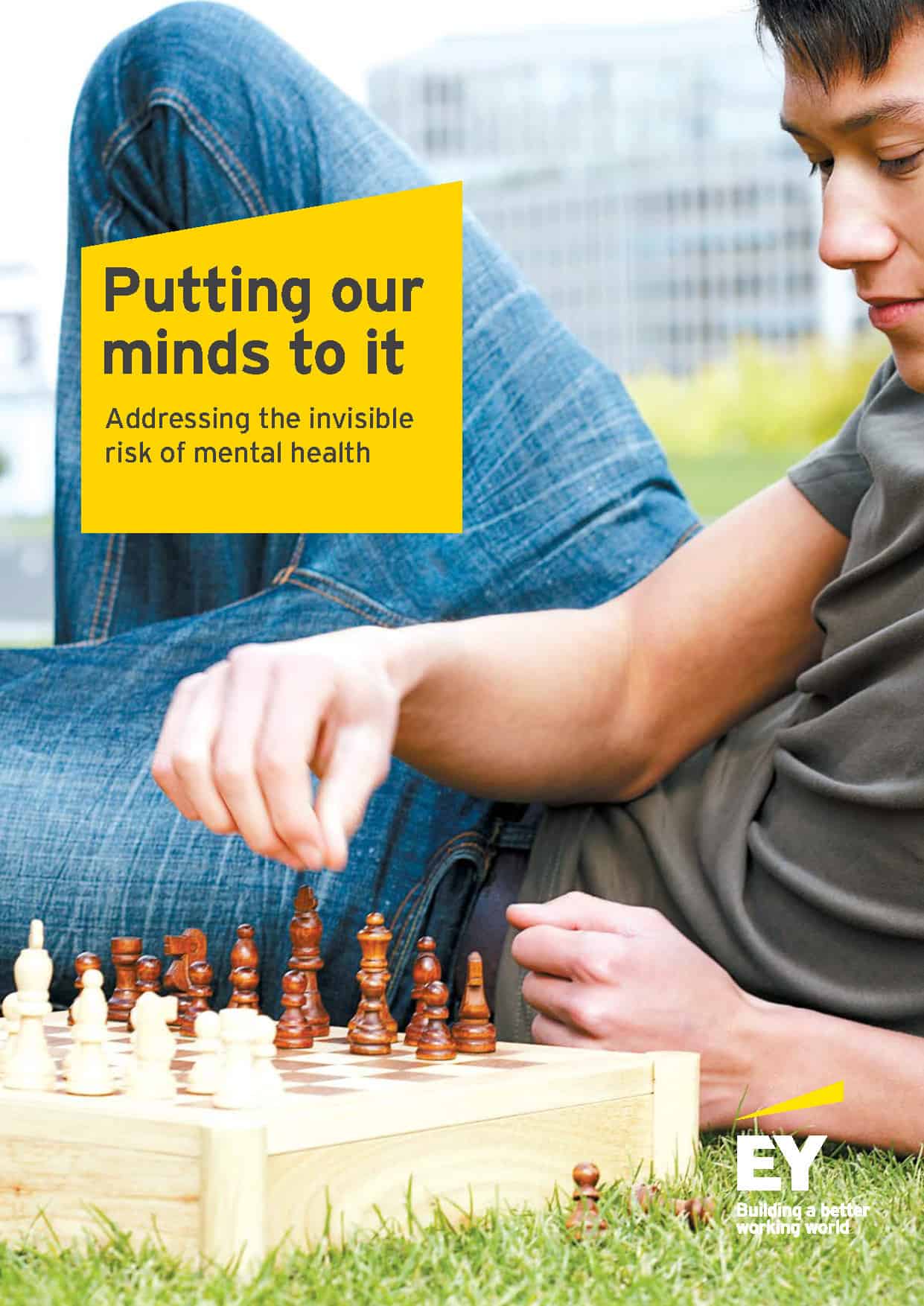 Recently, Ernst Young released a discussion paper about the risks of mental health in the workplace.
Mental health is a very popular topic at the moment and there are thousands of service providers in this sector. During the recent National Mental Health Week,
Inspectors and Health and Wellbeing Advisers
On 30 September 2015, SafetyAtWorkBlog highlighted a conversation about inspector numbers from the Tasmanian Parliament. The information was confusing but crucial in understanding WorkSafe Tasmania’s occupational health and safety enforcement capacity and strategy.
Below are some questions posed to WorkSafe Tasmania in an attempt to clarify the issues and the OHS regulator’s replies. Two responses prompted comment on workplace health and wellbeing strategies.
Insecure work inquiries should embrace and expand the safe system of work
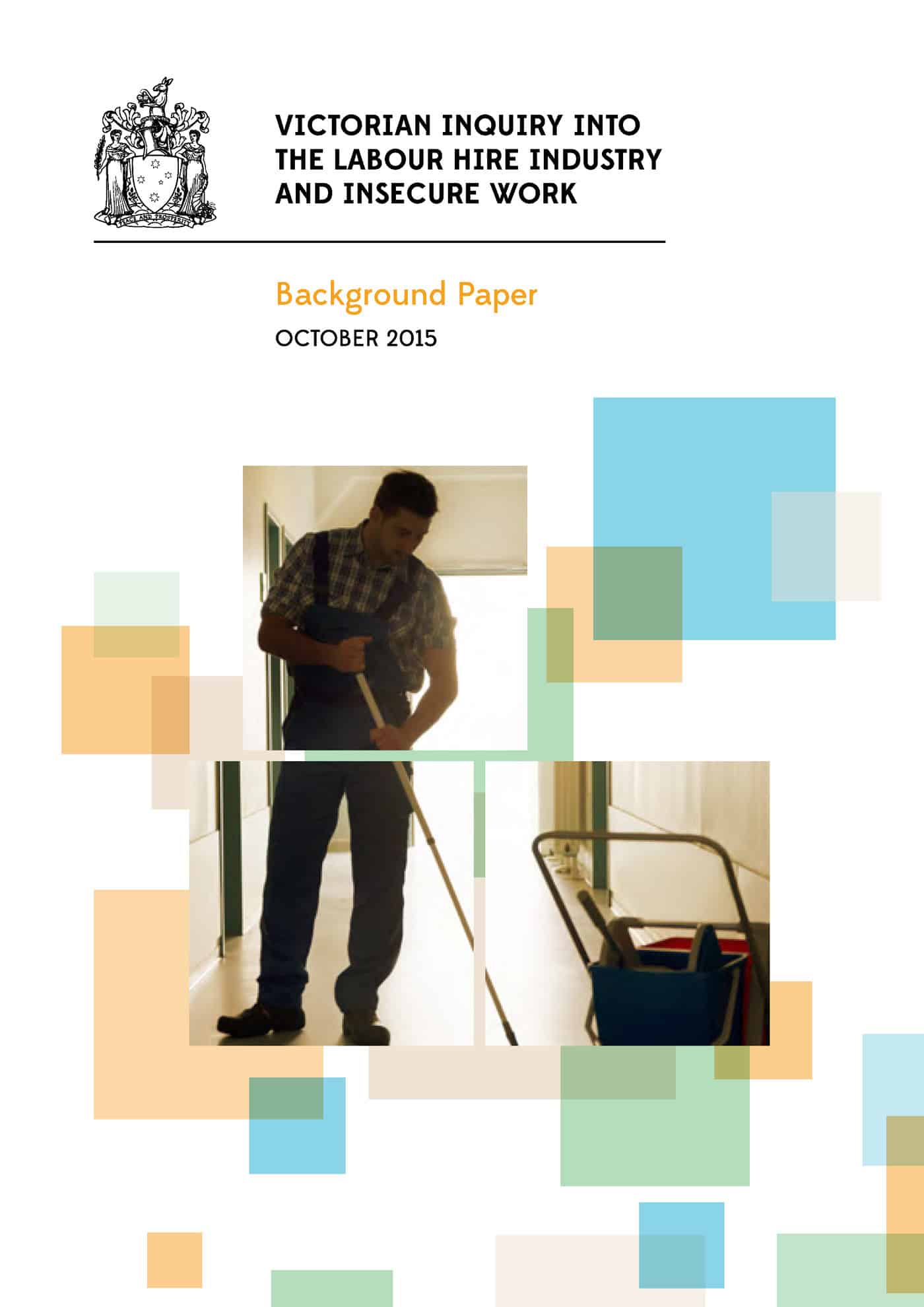
The Victorian Government has just released its first discussion paper into labour hire practices and insecure work. As has been discussed when the Inquiry was announced, occupational health and safety (OHS) is part of this inquiry but OHS will only gain the attention it deserves if someone advocates on behalf of worker safety exclusively and thinks about safety in this sector, differently.
Continue reading “Insecure work inquiries should embrace and expand the safe system of work”