
The attention given to the recent draft report of the
Category: workplace
Hackett bemoans fluffy OHS cost estimates
The quest for accurate determination of the costs of poor occupational health and safety (OHS) has been a regular discussion point in this blog but the quest may be a never-ending one and ultimately pointless.
Recently the UK’s HSE Chairman, Judith Hackett took the Forum for Private Business (FPB) to task over estimates of OHS compliance costs. FPB stated that
“The cost of compliance for the UK’s 1.2 million micro, small and medium sized businesses is £20 billion of actual costs and £41 billion if you include opportunity costs’.”
Hackett was unable to look at the claims as the FPB report was only for members. This is a common marketing tactic where some information is released publicly in order to generate a demand which can be satisfied only with a membership or payment. The downside of this tactic is that the carefully constructed statements become accepted as fact without allowing those facts to be independently verified.
PC report questions bullying processes
 Australia’s Productivity Commission (PC) has released its draft report into the Workplace Relations Framework. All morning talk radio has been discussion the issue of penalty rates but there are safety-related elements that should not be forgotten. Bullying is the most obvious of these.
The overview of the Draft Report hints that the level of resources required to administer the bullying provision in the Fair Work Commission (FWC) may be excessive given the tidal wave of applications did not eventuate. Continue reading “PC report questions bullying processes”
Happiness with HILDA
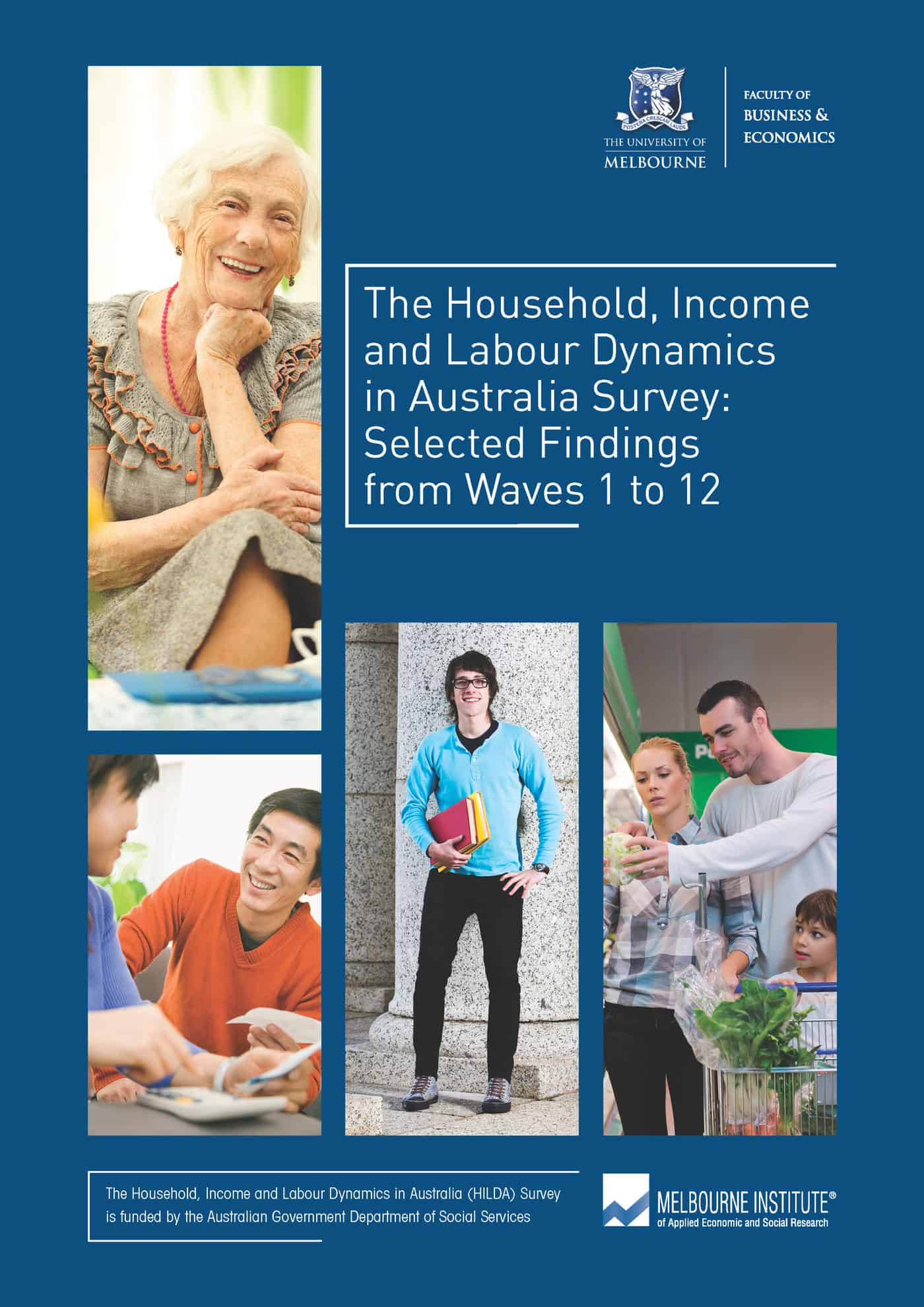 The Age newspaper’s front cover for 15 July 2015 was dominated by an article about happiness. The article is worth reading as it is built upon statistics from the long-term HILDA survey (Household, Income and Labour Dynamics in Australia) that is used by many Australian researchers but, significantly, HILDA makes no reference to happiness. Various elements in the article relate to the workplace and work activity generally but a couple are of direct relevance to occupational health and safety.
“4. Be a workaholic
Work-life balance is overrated, the survey suggests. In fact, the more people work the better their health is. Employees can work more than 51 hours in paid work and 81 hours of total work (that’s more than 11 hours a day) without any detrimental effect on their wellbeing, according to the report.”
The exploitation of happiness
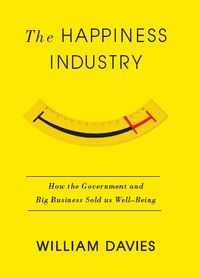 As the Australian Government analyses the productivity of the workplace it is vital that that analysis reflects the modern workplace and management practice. At the moment Australian workplaces are awash with training programs focusing on resilience and happiness, implying that each individual can change and improve a workplace culture but there has always been an undercurrent of manipulation to these courses and seminars. A new book by William Davies provides a fresh perspective that, rightly, questions the motives behind this modern trend and provides an important historical context. (For those who can’t purchase the book but want to know more, look at this series of articles)
Davies’s book, “
Enforceable Undertakings on OHS – Good and Bad
In 2010 Queensland’s former Attorney-General Cameron Dick said of enforceable undertakings that:
“Enforceable undertakings promote the introduction of long-lasting and more wide-ranging safety changes that would not have occurred under the prosecutorial system that imposes fines after the event.”
Enforceable Undertakings can be a powerful force for improving occupational health and safety (OHS) but they could also be used by employers to forestall investment in OHS and minimise the financial penalties should an incident occur.
Continue reading “Enforceable Undertakings on OHS – Good and Bad”
An OHS conference split into monthly meetings
I am a Life Member of the Central Safety Group (CSG), a small network of OHS professionals who meet in central Melbourne each month. CSG seems to me to provide the best return on investment for professional development in my area and I’d like to recommend membership, if you are local.
The Central Safety Group has operated for over 40 years, continues to meet monthly, providing access to important guest speakers, like those listed below, and to networking opportunities. Continue reading “An OHS conference split into monthly meetings”