
Researcher William Fleming found that there is little evidence to support the claim that workplace wellness programs provide the health benefits typically promised. That research from a couple of years ago still resonates, but Fleming has continued to research corporate wellness programs and is broadening his discussion. The latest research paper, “Health lifestyles at work: availability, barriers and participation in workplace wellness”, is a deeper analysis of the social context of wellness programs and why employers use them.
Category: workplace

Changing the Unchangeable? – Reforming Culture in the Australian Defence Forces
Many people in Australia are asking why any woman would consider a career in the military, given the considerable risk of sexual harassment, abuse and assaults. Occupational health and safety (OHS) and risk management disciplines often draw on many of the risk assessment processes and principles from the defence forces; however, there appear to be significant and intransigent risks in that sector.
Note: This article mentions suicide

Buddying Isn’t Babysitting—It’s a Safety System That Can Build Trust
One of the most significant safety challenges for any employer is determining when a new employee is ready to work independently, without direct supervision. When do you trust that they can undertake a task without being hurt? That focus should not be solely on the worker’s ability, though; it should also be on the systems of work that you have in place to keep that worker safe. Is the job or task too much for them? Or does the job require another person to be present for it to be done safely?
We want our workers to be competent and confident. We want to trust them to do the job properly, i.e., safely, on time, and to a good quality. However, some jobs and tasks cannot or should not be done properly by only a single worker, and we should not expect a single worker to handle all tasks.
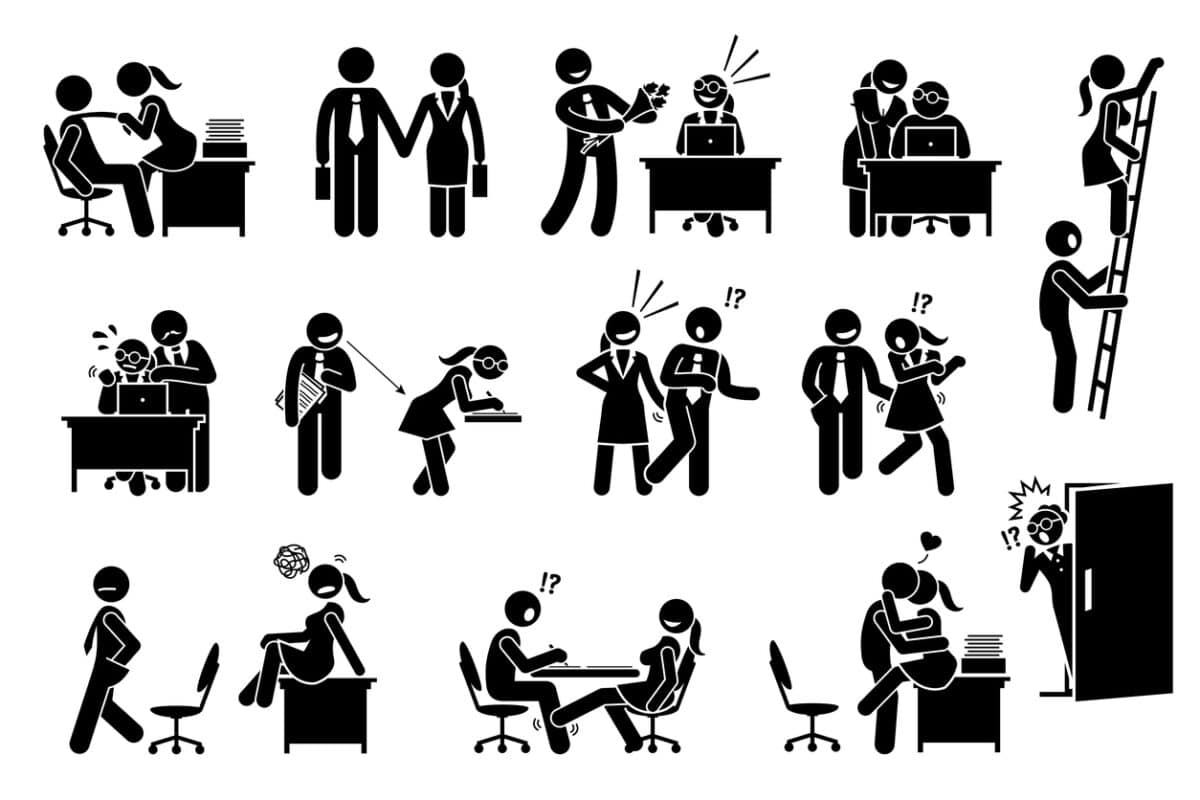
Sexual Harassment Laws Have Teeth—So Why Aren’t They Biting?
In November 2022, then-Sex Discrimination Commissioner Kate Jenkins explained why sexual harassment in Australian workplaces continues to happen. Basically, she said this was because the sex discrimination laws were reactive to a worker complaint and placed no duty on employers to prevent these types of incidents. But there is more to it than that, and the recent imposition of a positive duty under sex discrimination laws is still not preventing work-related harm.

Retail Violence and OHS Blind Spots: Time to Rethink the Strategy
Occupational health and safety (OHS) is the central theme of this blog, but it is essential to remember that not all workplace health and safety actions are governed by a single set of laws or a single regulatory agency. Safety in the retail sector offers a good example.

OHS deserves a seat at Australia’s childcare sex abuse reform table
The community in Melbourne, Australia, has been talking about little else but a sex abuse scandal in the childcare industry. (It makes a difference from talking about beef wellingtons.) The media and the government are announcing and investigating various regulatory and enforcement options to prevent a recurrence. This abuse is a grave concern and not one that was unexpected, as earlier inquiries had identified the risk. The prevention of sexual harm to children has an occupational health and safety (OHS) context that should not be ignored.

Trust Issues: The EAP Edition
This week, a colleague shared with me some bizarre experiences he had while negotiating with his company’s Employee Assistance Program (EAP) provider for basic data. It reminded me of the EAP role in preventing and managing psychosocial hazards at work. Australia’s psychological health regulations appear to have placed the EAP industry in a state of confusion and transition, which warrants consideration and the perpetual questioning of the effectiveness of EAPs. It may be that the days of the EAP, as traditionally configured, are over.