
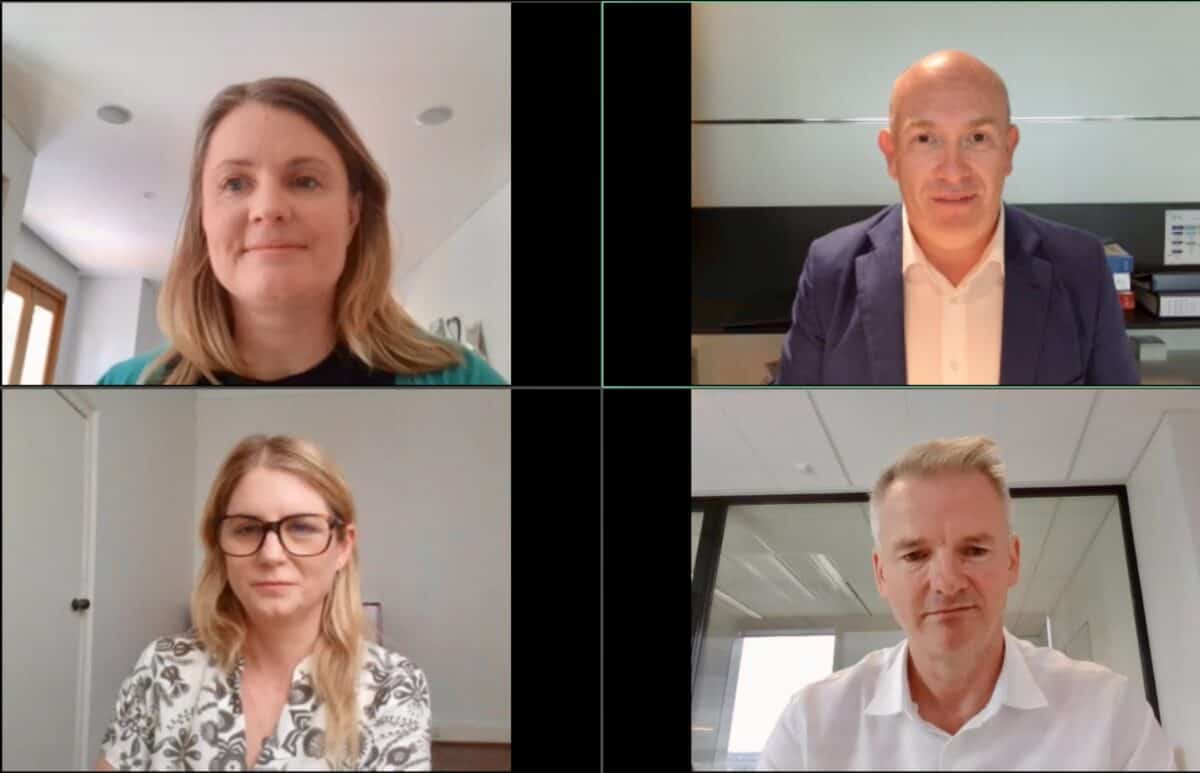
One of the most important sources of information about occupational health and safety (OHS) is seminars organised by law firms. A great example was a webinar hosted by Herbert Smith Freehills on October 30, 2024, as part of its Safety Leadership Series. It was a general discussion on Australia’s most prominent OHS issues but outlined increasingly significant consequences.
Category: workplace
How bad must it have been?
The corporate cultures of Australia’s mining industry have been under substantial scrutiny for over a decade. Sexual harassment, bullying, work-related suicides and more psychosocial hazards have been identified with strategies introduced to address the cultures that contribute to these occupational harms.
On 20 November 2024, Rio Tinto released a progress survey on its cultural change initiatives, which the Australian Financial Review (AFR) described as showing a “backlash” to these reforms. This survey is a significant document for those on similar journeys and for occupational health and safety (OHS) advocates.
What are the most substantial impediments to improving the health and safety of workers?
This is the second in a possible series of articles based on an artificial intelligence analysis of decades of audio interviews and recordings with occupational health and safety professionals, academics, lawyers and more used for this blog and my other writings. This time, I asked:
What are the most substantial impediments to improving the health and safety of workers?
Several substantial impediments to improving worker health and safety emerge from the conversations:
The United States approach to work health and safety is getting creepy.
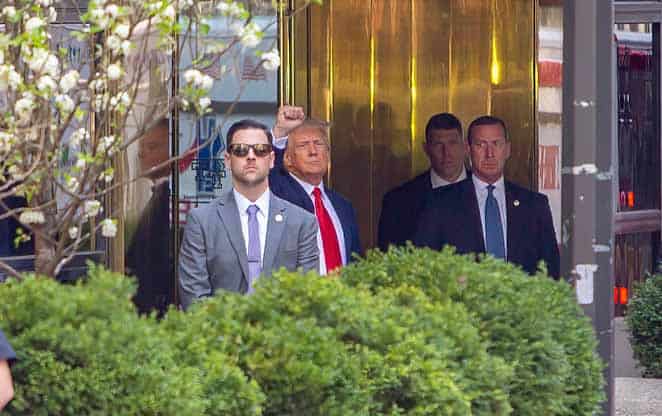
For most of the world, Donald Trump‘s re-election to the United States presidency is a non-event. Politicians and journalists are really interested, but Trump has little direct impact on our lives, and his policies, morals, and political strategies will affect us indirectly. Perhaps the most significant impact will be environmental.
Our business leaders take inspiration from American companies and corporate cultures. Even though he has yet to choose his Secretary of Labor, there are indications that occupational health and safety (OHS) is unlikely to progress under Trump’s term. It is useful to be aware of how Trumpian corporate culture and values may affect (infect?) the rest of the world.
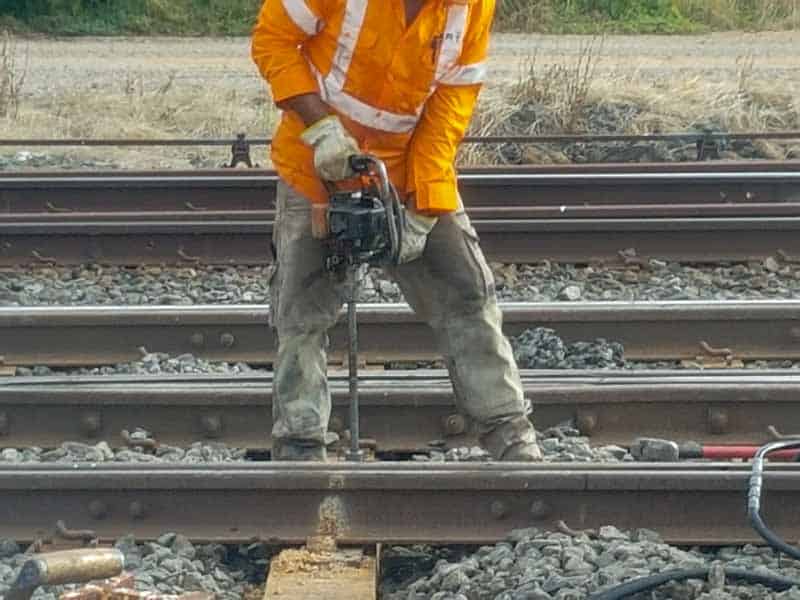
Hi-viz clothing is “a major cultural symbol of our time”
The Conversation offers a brief history of the introduction of high-visibility workwear to Australian workplaces. The authors, Elizabeth Humphrys, Bettina Frankham and Jesse Adams Stein, offer four reasons why ” Hi-Viz” has become a “major cultural symbol of our time” and beyond its obvious safety benefits.
Culture of Compliance and the Fair Work Ombudsman
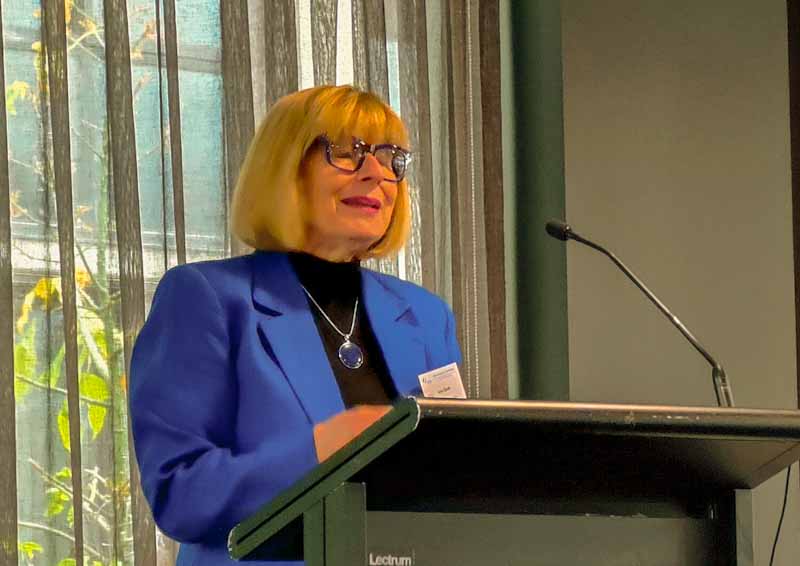
On the morning of day one of the Australian Labor Law Association (ALLA) National Conference, the Fair Work Ombudsman, Anna Booth, mentioned a “culture of compliance.”
She explained the culture of compliance by revealing data in several industry sectors about significant non-compliance based on the activities of the Fair Work Ombudsman inspectors. So, it’s perhaps more important to talk about a non-compliance culture rather than a compliance culture.

Publicity about the right to disconnect was “overblown”
Recently, the “right to disconnect” gained some prominence in Australia. This right, now legislated, allows employees and workers to choose not to respond to employer communications outside of contracted working hours. This was part of recognising that time away from work allows one to focus on non-work matters like family, socialising, mental relaxation, and more.
According to much mainstream media and the statements and lobbying of various business associations, the sky would fall (a phrase that appears with any proposed change that business groups do not like). A significant change has not happened, and the sky has not fallen. At a recent labour law conference, Fair Work Commission President Adam Hatcher described the publicity as overblown.