
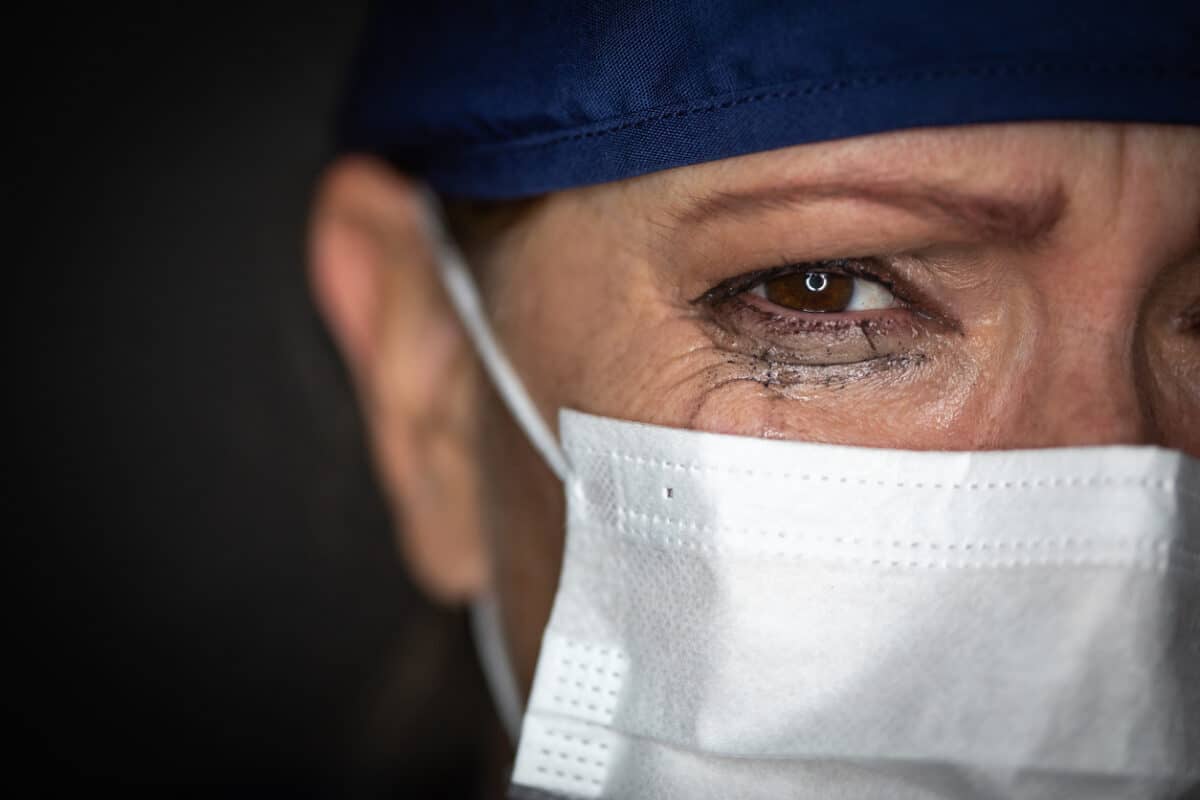
On December 29 2023, The Guardian newspaper’s cover story was about doctors in the United Kingdom’s National Health Service experiencing high rates of “moral distress”. It is common for hospitals and health care services to consider themselves as workplaces with unique hazards rather than suffering similar occupational health and safety (OHS) challenges to all other workplaces. What makes the OHS challenge so significant in the NHS is the size of the challenge rather than its nature or cause.
Category: workplace
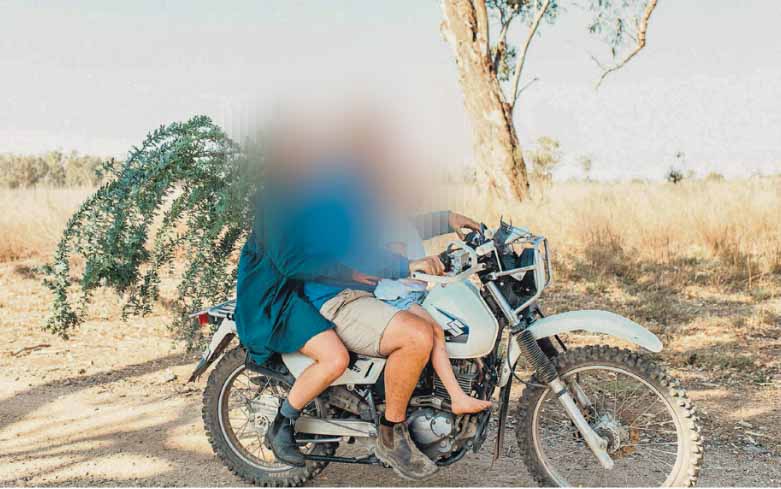
Should photos of unsafe activities be published unedited?
In early December 2023, the Australian Financial Review (AFR) published this (unblurred) photo of a woman, a man, and a child riding a single motorbike in the Australian countryside. Riding in such a way is unsafe, some may say reckless, and contrary to the operational guidelines of motorcycle manufacturers. Should the AFR have used this photo? Should there be a ban on such photos?

An industrial relations perspective on psychosocial hazards
The prevention of workplace psychosocial hazards will be an increasing issue of concern and debate in 2024 as more Australian jurisdictions re-emphasize the application of occupational health and safety (OHS) laws to this insidious hazard. That debate requires a broad range of voices to better understand prevention strategies and to assess existing strategies that have failed or impeded progress. Emeritus Professor Michael Quinlan is one such voice, especially in his recent article, “Psychosocial Hazards: An Overview and Industrial Relations Perspective”.
[Note this article discusses work-related suicide]

OHS seems to be no more than a “nice-to-have” to Australian politicians
Several events or non-events at the recent 23rd World Congress on Safety and Health at Work illustrated the political attitude to occupational health and safety in Australia, especially the lack of presence of national figures on official duties.
The individual remains at the heart of workplace mental health in mining
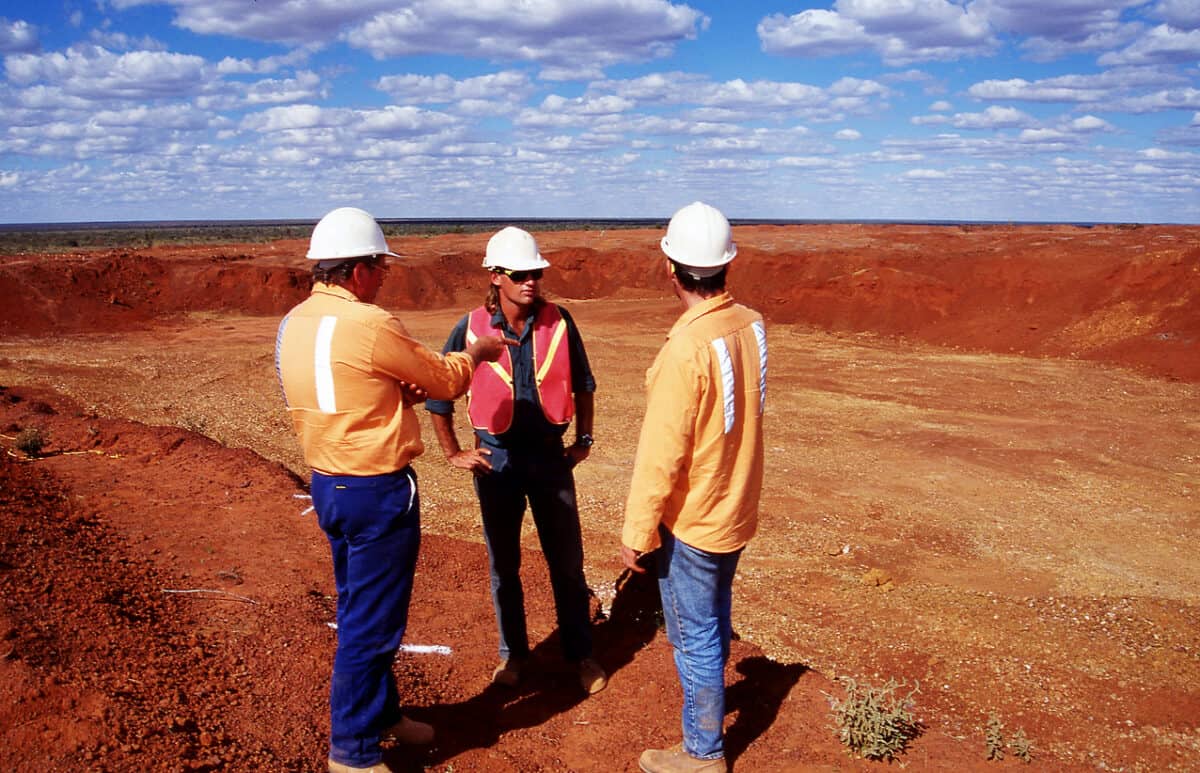
One of the most significant takeaways from the 23rd World Congress on Safety and Health at Work is Australia’s relative position of occupational health and safety (OHS) privilege. For instance, in the mining sector, Australian workers are rarely exposed to tuberculosis, HIV, silicosis and chemical exposure to the extent of similar workers in other countries. Instead, Australia has the comparative luxury of focusing on the psychosocial hazards associated with the fly-in, fly-out (FIFO) workforce.
Psychosocial laws may encourage political risks
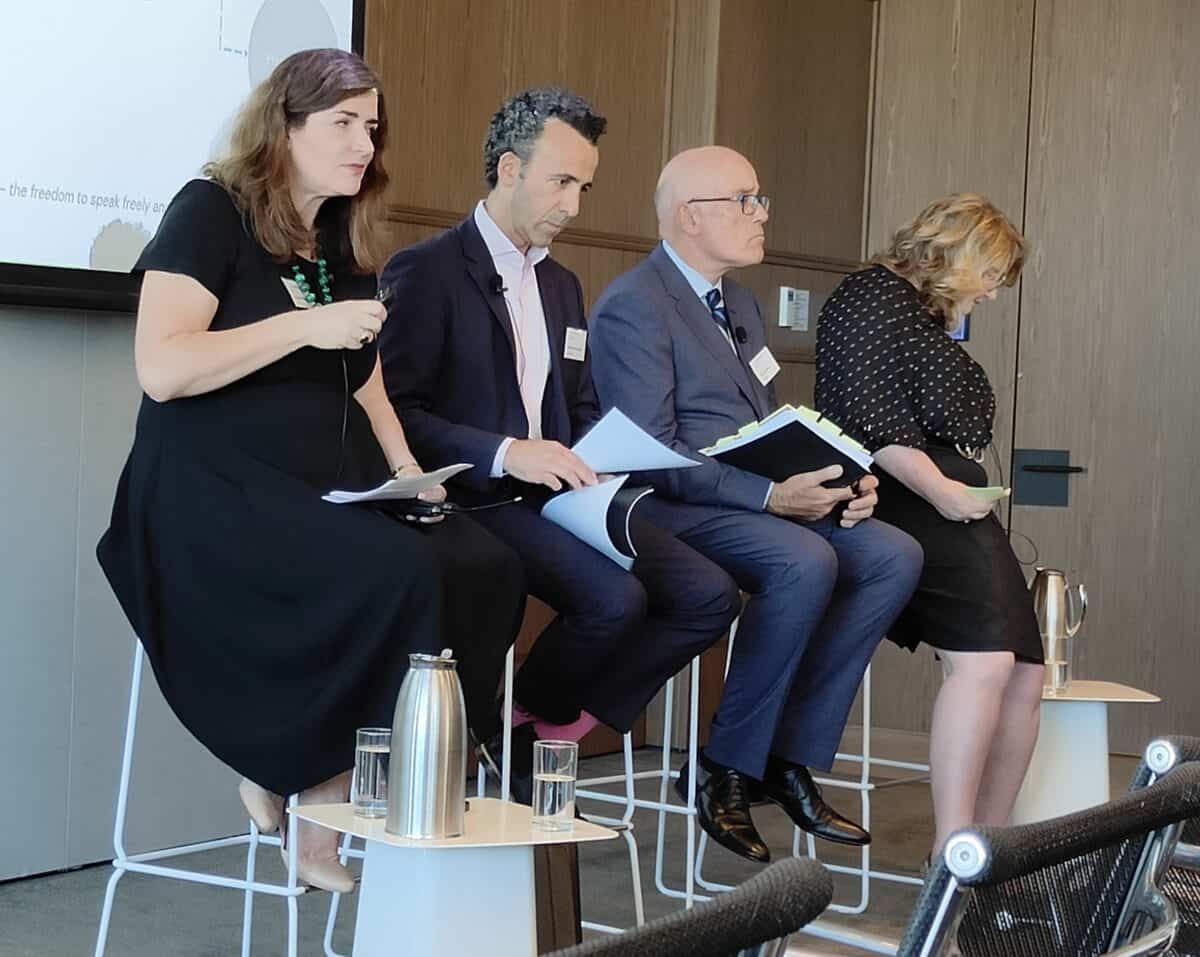
In December, Australian law firm Maddocks launched its 2023 Year in Review. Two items were directly relevant to occupational health and safety (OHS) – Sexual Harassment and Psychosocial Safety – both addressed by Catherine Dunlop. The size of the challenge ahead on both these topics was shown by the Australian Financial Review on December 7, 2023:
“Fewer than half of directors are confident their companies will be able to adhere to new workplace sexual harassment standards when they come into force next week, with just one in five female directors saying their boards understand the requirements of the new regime.”
Outside of the Maddocks launch, there is also some speculation that Victoria’s proposed psychosocial regulations may never happen.
Calculate the cost of your overwork
Long working hours have been identified as a major contributor to poor workplace mental health. International benchmarks have been identified as tipping points for mental health. A local Australian initiative to highlight the risks associated with overwork is Go Home on Time Day, which The Australia Institute supports.
Fewer companies than when the day started in 2009 seem to be supporting and promoting the day in their wellbeing calendars. Perhaps because the day identifies the shameful fact that employers will not stop workers from working long hours “if the workers choose to” even though the evidence is that the practice is harmful.
Its working hours calculator is a major part of the Go Home on Time Day initiative.