Softly, Softly, Catch the Monkey

As with most political party conferences, occupational health and safety (OHS) is a fringe issue. OHS or safety is sometimes mentioned in the big political speeches but often as an afterthought or obligatory mention that is rarely explored to the extent it deserves. The Australian Labor Party (ALP) recently held its national conference in Brisbane. Work health and safety was mentioned.

The ALP Conference is not intended to change Australian government policies. Its aim is to review and revise the ALP Party platform; it drops what may be redundant and improves the policy platform’s relevance. The conference may indicate party member concerns to the parliamentary members, but the government’s positions are for the parliamentary members to decide.

It should come as no surprise that the ALP has again refrained from banning the import and use of engineered stone even though the silicosis risks are well-established.
Subscribe to SafetyAtWorkBlog to continue reading.
Subscribe Help
Already a member? Log in here

Business lobbyist misses the point

Recently the Australian Industry Group Chief Executive, Innes Willox, addressed the National Press Club in Canberra. The AIGroup is one of the “go to” business groups, along with the Business Council of Australia and mining industry groups, that the business media knows will comment on anything when asked, and frequently when not asked. Willox’s August presentation was on Industrial Relations, but it also illustrates the workplace and political culture in which occupational health and safety (OHS) must operate.

Subscribe to SafetyAtWorkBlog to continue reading.
Subscribe Help
Already a member? Log in here

“..what it means to act like a man and what it means to work safely..”

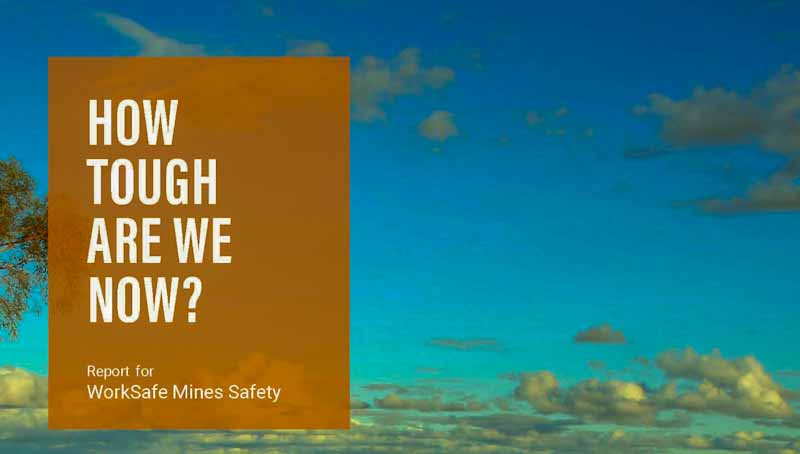
Ten years ago, I was enlightened by a presentation on masculinity and occupational health and safety (OHS) by Dean Laplonge at a safety conference in Canberra. He has continued researching that interconnection, and visiting WA and recently released his latest report written for WorkSafe WA after a series of “roadshows”.

After years of scandals in what has been described as the epitome of toxic masculinity, the West Australian mining industry claims to have changed its culture and created a psychologically safer work environment. Culture-As-Usual was not an option after multiple exposures of work-related suicides, sexual assaults, and harassment uncovered by independent and parliamentary inquiries. Laplonge revisited Western Australia and reported on the progress.

Subscribe to SafetyAtWorkBlog to continue reading.
Subscribe Help
Already a member? Log in here

The OHS of Working from Home remains problematic

When Australia harmonised its occupational health and safety (OHS) laws, the management focus broadened to include work, and not just workplaces.  Some “knowledge” or white-collar work can be done anywhere, and employers have often struggled to understand how to extend their OHS management systems and duties to apply to this revised or expanded system of work. Current OHS guidance on working from home is too “big picture” when employers are addressing localised decisions.

Subscribe to SafetyAtWorkBlog to continue reading.
Subscribe Help
Already a member? Log in here

Emerging workplace hazards that have been around for a long time

Psychological safety at work is often referred to as a recent phenomenon or as an emerging risk. The hazard has captured people’s attention in Australia primarily because of a “mental health tsunami” that many relate to the COVID-19 pandemic, lockdowns and so forth.

WorkSafe Victoria released guidance on workplace bullying and occupational violence in the late 1990s and early 2000s. And in 2006 advised this in one of its office safety publications:

Subscribe to SafetyAtWorkBlog to continue reading.
Subscribe Help
Already a member? Log in here

The US take on heat and climate change

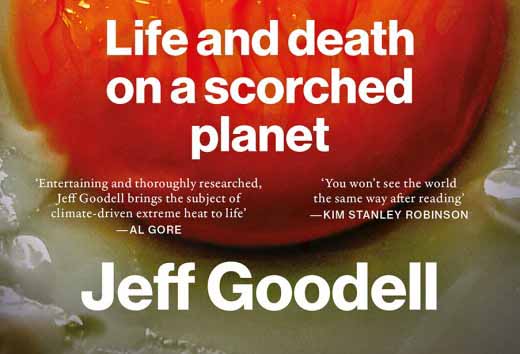
Coincidentally, as Europe burns and a little blog in Australia writes about the occupational context of excessive heat, a new book called Heat – Life and Death on a scorched planet was in the bookstores. Jeff Goodell, like so many North American authors, writes for his local readers even though his publishers sell books globally.

However, he does address the occupational health and safety (OHS) impacts of heat and offers some adaptations.

Subscribe to SafetyAtWorkBlog to continue reading.
Subscribe Help
Already a member? Log in here

EY report shows a business model that generates serious job stress

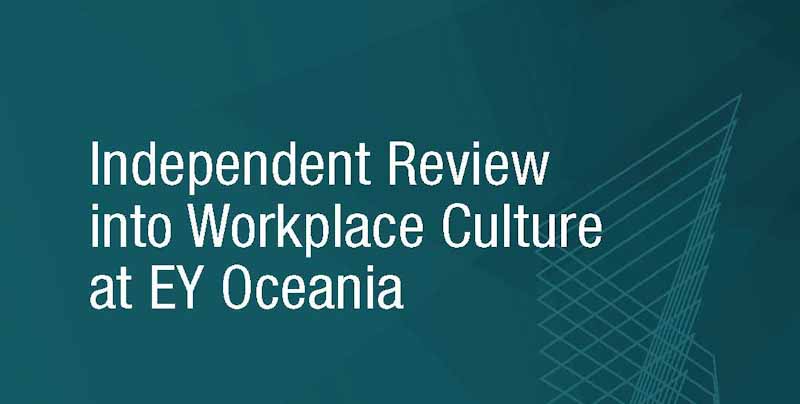
In 2022 a young employee of EY died by suicide after a work function. EY announced an independent review of EY Oceania’s workplace culture and that the report would be publicly available. That report was released on 27 July 2023. EY’s response was good crisis management, but the public release is beyond what many companies would do, so EY’s transparency in this case should be acknowledged.

The report written by Elizabeth Broderick‘s company offers good news for EY. There is a high level of satisfaction, but results in the 80 percentages or some 90 percentages still allow for a significant number of personnel who are dissatisfied, harassed, bullied, and/or mentally stressed. It is not unreasonable to accept the EY report as being indicative of the workplace cultures of hundreds or thousands of similar businesses.

This report needs to be read widely and thoroughly by any Human Resources (HR), Executive and occupational health and safety (OHS) professional. The following article scratches the surface of this significant investigation.

Subscribe to SafetyAtWorkBlog to continue reading.
Subscribe Help
Already a member? Log in here
Concatenate Web Development
© Designed and developed by Concatenate Aust Pty Ltd