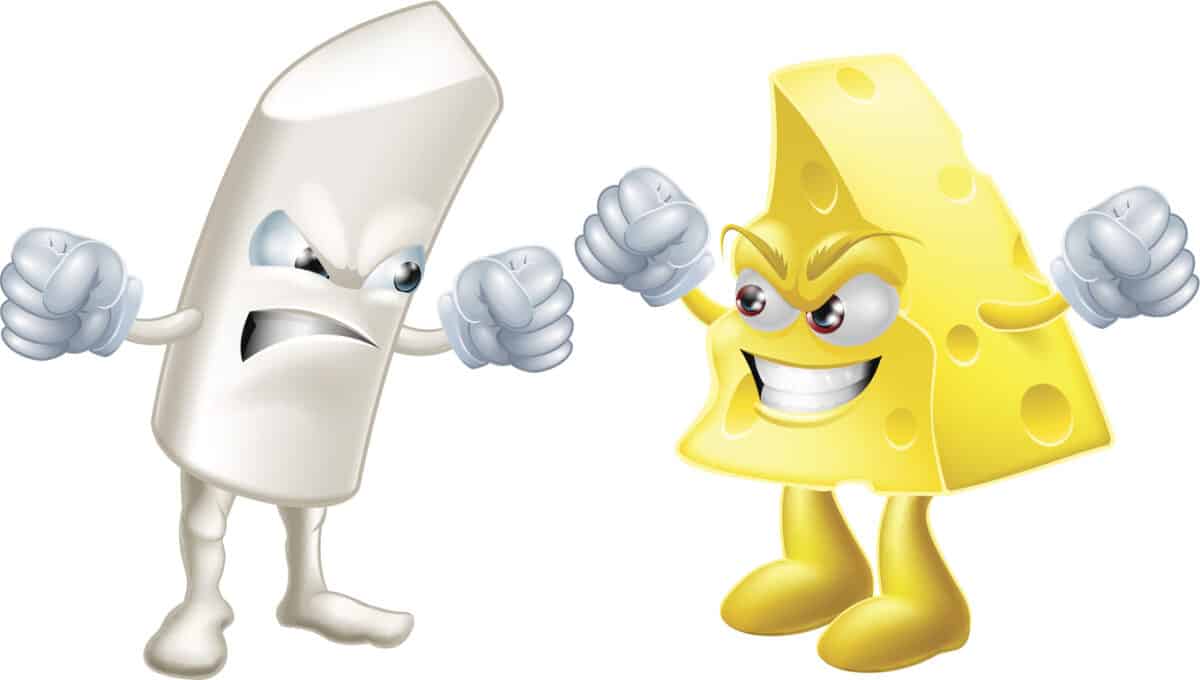
Over the last few months, various seminars from law firms and others have focussed on how to comply with new and impending occupational health and safety regulations related to psychosocial hazards at work. Over the last fortnight, I attended two such seminars; they were as different as chalk and cheese, even though both had strong voices from lawyers, illustrating the sources of some of the confusion over the issue felt by some employers.
Category: workplace
Another business survey that (sort of) mentions OHS
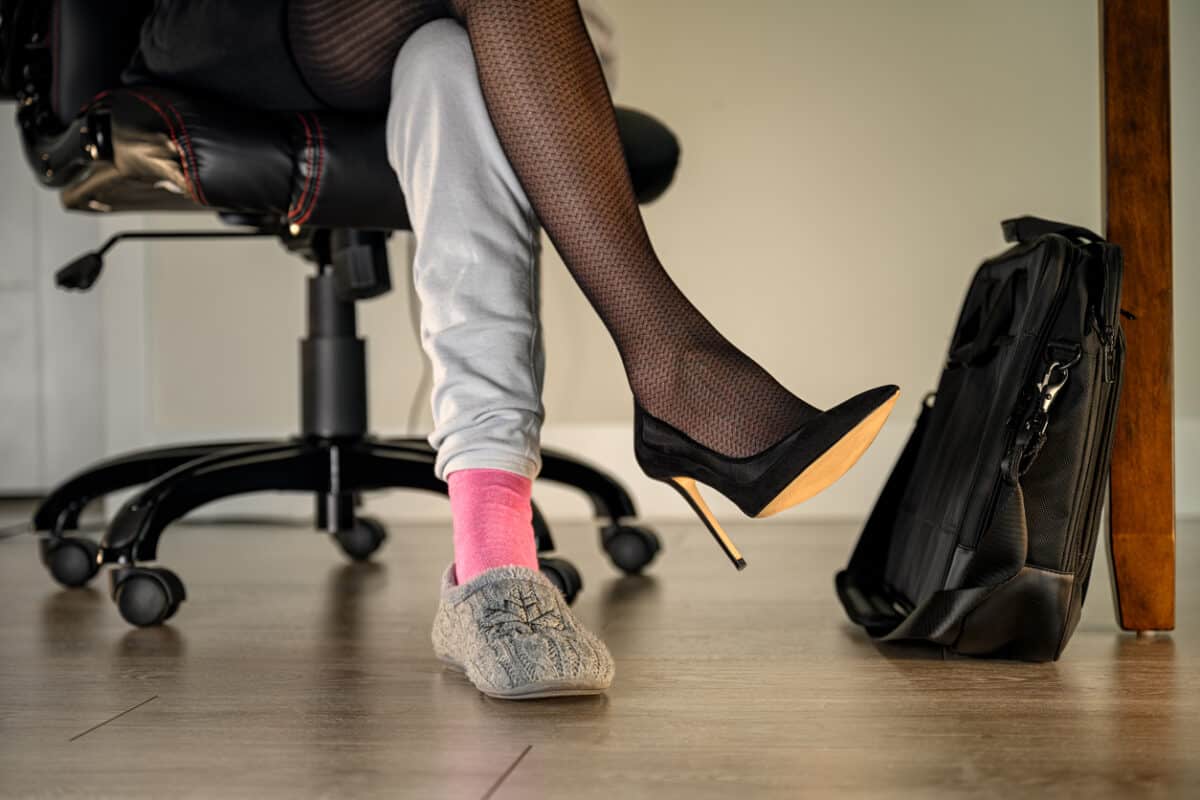
Much of the discussion about working from home (WFH) focuses on the number of workers in the office, at home or working a combination of both. The production issues of connection, collaboration, management supervision, and productivity are also the focus, particularly of media articles based on some small survey that is principally a marketing exercise. (The need to provide your contact details before downloading is a dead giveaway) However, occupational health and safety (OHS) occasionally garners a mention.
One recent example of this was an article in the United Kingdom’s The Telegraph, which also turned up last week in the Australian Financial Review.

OHS and the weekend newspapers – 1
This is the first of, hopefully, many articles about what some of the weekend newspapers and media say about issues related to occupy national health and safety (OHS). It will not be comprehensive but short takes on what I see in the newspapers.
[Note, the article below mentions suicide and workplace bullying]
Workload and Suicide
It has been a year since an employee of the Victorian Building Authority, Rob Karkut, died by suicide. According to The Age (May 13, 2023, [paywalled] his suicide occurred:
“…amid intense pressure from the authority’s managers to meet ambitious inspection targets. A litany of failings within the organisation have been exposed since his death.”

OHS and management courses
Research findings that a sample of business and management courses have little to no OHS content are not surprising and match what has now become fashionable to call “lived experience”. Part of the reason for the findings is that the number of undergraduate courses in OHS has declined, and those that did exist were not often recognised as “management” courses, although OHS can be little else. They were certainly not “integrated” with other traditional management approaches.
Part of the reason, I like to think, is because OHS principles challenge the ethics underpinning business management courses and concepts. OHS would say that workers are people and not “units of labour”. If workers are people for whom we are supposed to apply dignity, respect and care, how can Business exploit the worker’s labour, loyalty and goodwill in order to maximise profits or shareholders’ returns, which are supposed to be the main purposes of modern business?
Employers’ continuing “intolerable laxity”
Recently a discussion of occupational health and safety (OHS) in Australia’s construction industry during COVID-19 lockdowns was published. “What’s it going to take? Lessons Learned from COVID-19 and worker mental health in the Australian construction industry” is thankfully “open access” and well worth reading for its strong and controversial OHS recommendations, but it could have paid more attention to the role of the employers or Persons Conducting a Business or Undertaking (PCBU) in applying legislative OHS obligations and how their resistance continues to harm workers.

Work-related childrens book
In 2015, I described the classic children’s book The Story of Ferdinand as the most important book about modern OHS (occupational health and safety). My interpretation of it as a book about toxic masculinity and work/life balance will remain relevant as long as it exists. But another example of a children’s book related to work, but more obviously than Ferdinand, is the award-winning picture book Cicada by Shaun Tan.

Can we move on from HSRs, please?
Occupational health and safety (OHS) needs new thinking. One of the most important elements of successful OHS comes from Consultation – a sensible process and one required by law. A major process for OHS consultation in those laws is through the Health and Safety Representatives (HSRs). This legislative (recommended) option was practical but is now almost an anachronism, yet the OHS regulators continue to support the process because it is in the OHS laws. And few will speak against the process because it is being maintained by the trade union movement as one of the last legacies of political influence over workplace health and safety.
This month Queensland government released its report into the review of its Work Health and Safety laws with these two of the three categories of recommendations:
- “elevation of the role of health and safety representative (HSR) at the workplace
- clarification of the rights of HSRs and worker representatives to permit them to effectively perform the role and functions conferred upon them and to remove unnecessary disputation,….”
The absurdity of HSRs’ persistence can be illustrated by the rumour that WorkSafe Victoria will encourage sex workers to follow the HSR consultative process through the OHS guidance expected to be released later this year.