Improving the OHS state of knowledge

Earlier today, I wrote about the potential benefits of having an Australian Workplace Safety Bureau, an idea I first proposed in 2018. Others have similar thoughts.

On the Australian Broadcasting Corporation (ABC) website, Elizabeth Byrne has written about the decade-long effort of Kay Catanzariti to gain justice, and an apology, for the death of her son, Ben. Catanzariti has been a strong advocate for workplace health and safety for a long time. The ABC article quotes Catanzariti:

“Mrs Catanzariti says her experience shows that investigators need more expertise. “I want a federal investigation team for deaths on worksites,” she says.”

Subscribe to SafetyAtWorkBlog to continue reading.
Subscribe Help
Already a member? Log in here

COVID-19 lessons are more likely to come from an independent investigation than from OHS prosecutions

WorkSafe Victoria has a window of two years, within which it must start a prosecution for breaches of the occupational health and safety (OHS) legislation. As a result, a small number of notable prosecutions commenced recently from the early days of the coronavirus pandemic.

Over the last few weeks, Worksafe has started court action against St Basil’s Homes For The Aged, Heritage Care Pty Ltd and an individual nurse.

Subscribe to SafetyAtWorkBlog to continue reading.
Subscribe Help
Already a member? Log in here

Guilt, shame, dissatisfaction: workers and customers on the gig economy (and how to make it better)

This article is republished from The Conversation under a Creative Commons license. Read the original article.


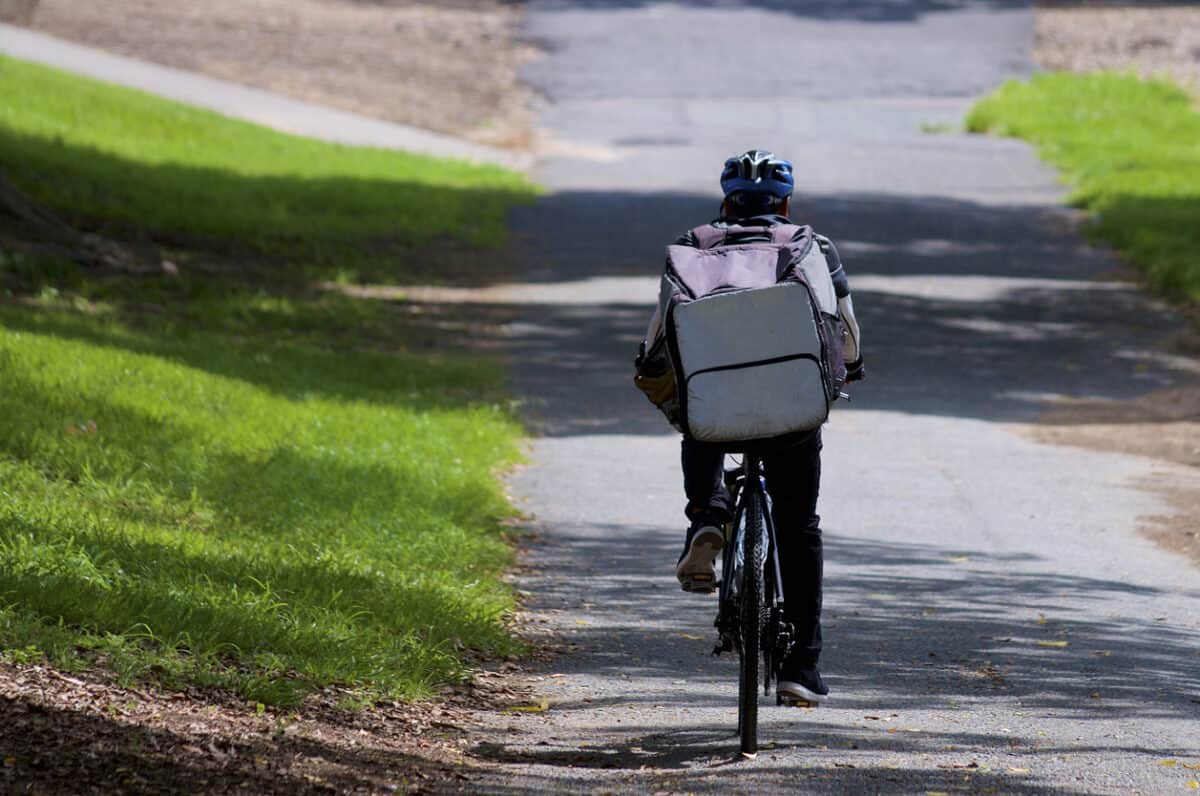
The gig economy is in trouble. Rideshare drivers are cancelling in droves. Wait times for food delivery are ballooning out and driver shortages are leading to food waste.

So, what’s going on? To find out more, I interviewed 30 Melbourne gig workers who worked as rideshare drivers, food deliverers or for task-based platforms such as Airtasker.

I also spoke to 30 customers who use such services, and to 20 industry stakeholders. My colleague, Elizabeth Straughan from the University of Melbourne, conducted a further ten interviews with gig workers after the pandemic set in, to learn how they’d been affected.

Continue reading “Guilt, shame, dissatisfaction: workers and customers on the gig economy (and how to make it better)”

“the job is never done”

Every so often, there are sufficient numbers of workplace deaths and injuries that a government feels the need to act. In 2019, the Queensland government closed down its mining sector for a “safety reset”, which required every mine worker to be retrained in occupational health and safety (OHS). Recently Western Australia needed to act on deaths in its farming sector and has established an inquiry into the issues.

Farming is perhaps the hardest industry in which to affect change. It is dominated by male workers and farmers. It has next to no union presence. OHS inspectors rarely attend farms except after a severe injury or death.

Subscribe to SafetyAtWorkBlog to continue reading.
Subscribe Help
Already a member? Log in here

Do what you know is the right thing to do

Currently, Australia has an increase in hospitalisations of people with the latest COVID-19 variants and influenza. The Victorian Government, in particular, is resisting implementing a mandatory requirement for masks even though this Winter had been flagged as a season of high risk for transmissible infections, and such control measures were shown to be effective in previous years.

Regardless of the politics in the Victorian Government’s decision, and there is a lot of politics there with an election in November, what should employers do to reduce the risks of workers catching or transmitting the virus, and so maintain continuous operation and production?

Continue reading “Do what you know is the right thing to do”

What’s not worked on workplace mental health

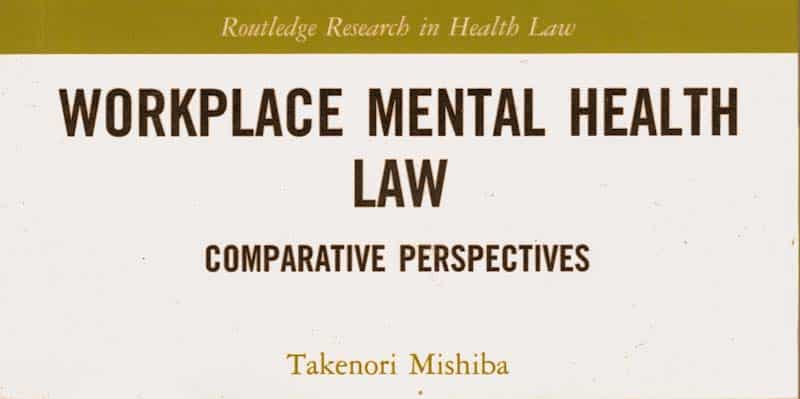
We need to seek alternative perspectives to better understand ourselves and our place in the world. In 2020,Takenori Mishiba wrote about comparative perspectives of workplace mental health laws. The book has been published in a more affordable paperback edition very recently. The attraction of this book is that Australia was not part of Mishiba’s research.

On the first page, Mishiba states that:

“…there is currently no precise legal definition of mental health.”

This alone should generate great concern in the occupational health and safety (OHS) discipline.

Subscribe to SafetyAtWorkBlog to continue reading.
Subscribe Help
Already a member? Log in here

Mixed OHS messages from business groups on COVID-19

COVID-19 and its variants persist as real risks in Australian workplaces, but employers want workers to continue to return to workplaces. Most of these workplaces have not been redesigned to increase ventilation. Most persist with long desks of multiple users in open-plan arrangements, although some continue with almost continuous cleaning regimes. Employers can argue that they are following public health guidelines (or their absence), but the occupational health and safety (OHS) risks still need managing.

Subscribe to SafetyAtWorkBlog to continue reading.
Subscribe Help
Already a member? Log in here
Concatenate Web Development
© Designed and developed by Concatenate Aust Pty Ltd