Over-emphasising the COVID pandemic

Everyone has struggled through the COVID-19 pandemic. Many have died. We have to continue to make many allowances for businesses and people due to the disruption, but some are using the pandemic as an excuse for not doing something. Occupational health and safety (OHS) inactivity is being blamed on COVID-19 in some instances, masking or skewing people’s approach to workplace health and safety more generally.

Continue reading “Over-emphasising the COVID pandemic”

Good COVID OHS book

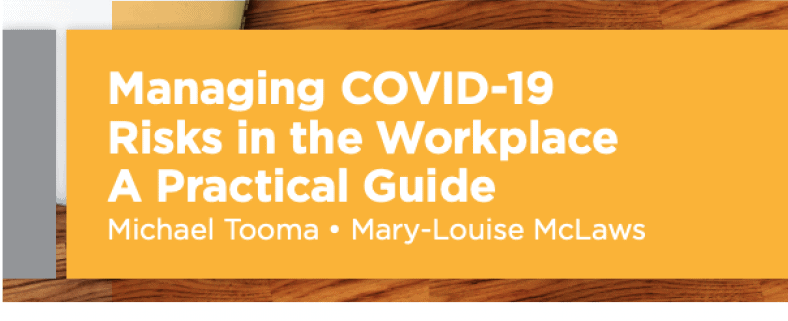
Late last year, lawyer Michael Tooma and epidemiologist Mary-Louise McLaws published “Managing COVID-19 Risks in the Workplace – A Practical Guide”. Given how COVID-19 is developing variants, one would think that such a hard copy publication would date. However, the book is structured on the occupational health and safety (OHS) obligation of managing risks, and whether the variant is Delta, Omicron or Omega (if we get that far), the OHS principles and risk management hold up.

Subscribe to SafetyAtWorkBlog to continue reading.
Subscribe Help
Already a member? Log in here

Danger Money corrupts OHS

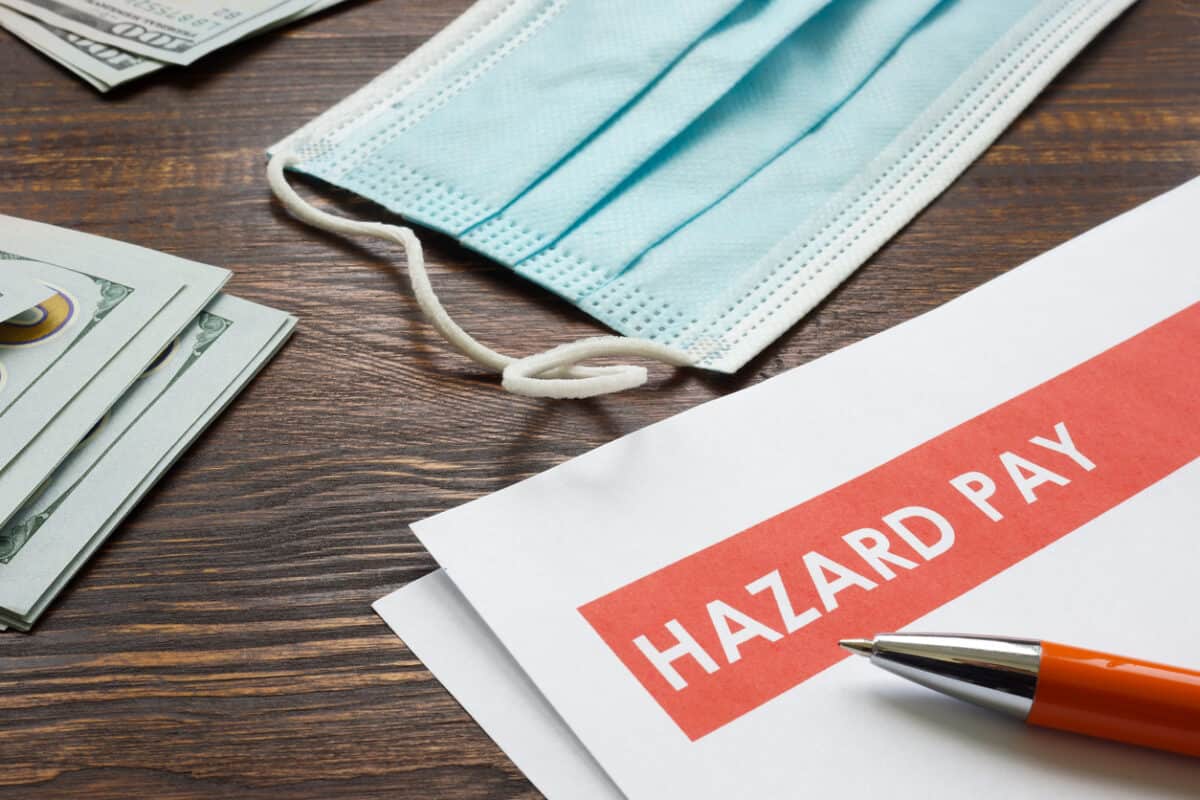
The traditional manner for employers to get unsavoury or hazardous work tasks done is to offer more money. This is referred to as Danger Money in some countries and Hazard Pay in others. There has been a resurgence in Danger Money during the COVID-19 pandemic, offered by some employers and requested by some workers and unions. This negotiation is a collaborative avoidance of both groups’ occupational health and safety (OHS) obligations and should be opposed vigorously by OHS associations and advocates.

Subscribe to SafetyAtWorkBlog to continue reading.
Subscribe Help
Already a member? Log in here

Bad work “habits” are part of the problem

The headline immediately caught my attention:

“Five bad habits to dump before resuming work”

Australian Financial Review, January 4, 2022

Such is the power of the click-bait headline.

This article is aimed at middle managers and those working from home. It is in the Australian financial/business newspaper so articles about individual empowerment and entrepreneurship rather than structural change are expected. The article above is a classic example of the Australian Financial Review’s approach to workplace health and safety matters: a newspaper with significant influence on business leaders and executives but one that rarely quotes or approaches occupational health and safety (OHS) experts.

Subscribe to SafetyAtWorkBlog to continue reading.
Subscribe Help
Already a member? Log in here
Concatenate Web Development
© Designed and developed by Concatenate Aust Pty Ltd