Carlo Caponecchia on psychosocial hazards

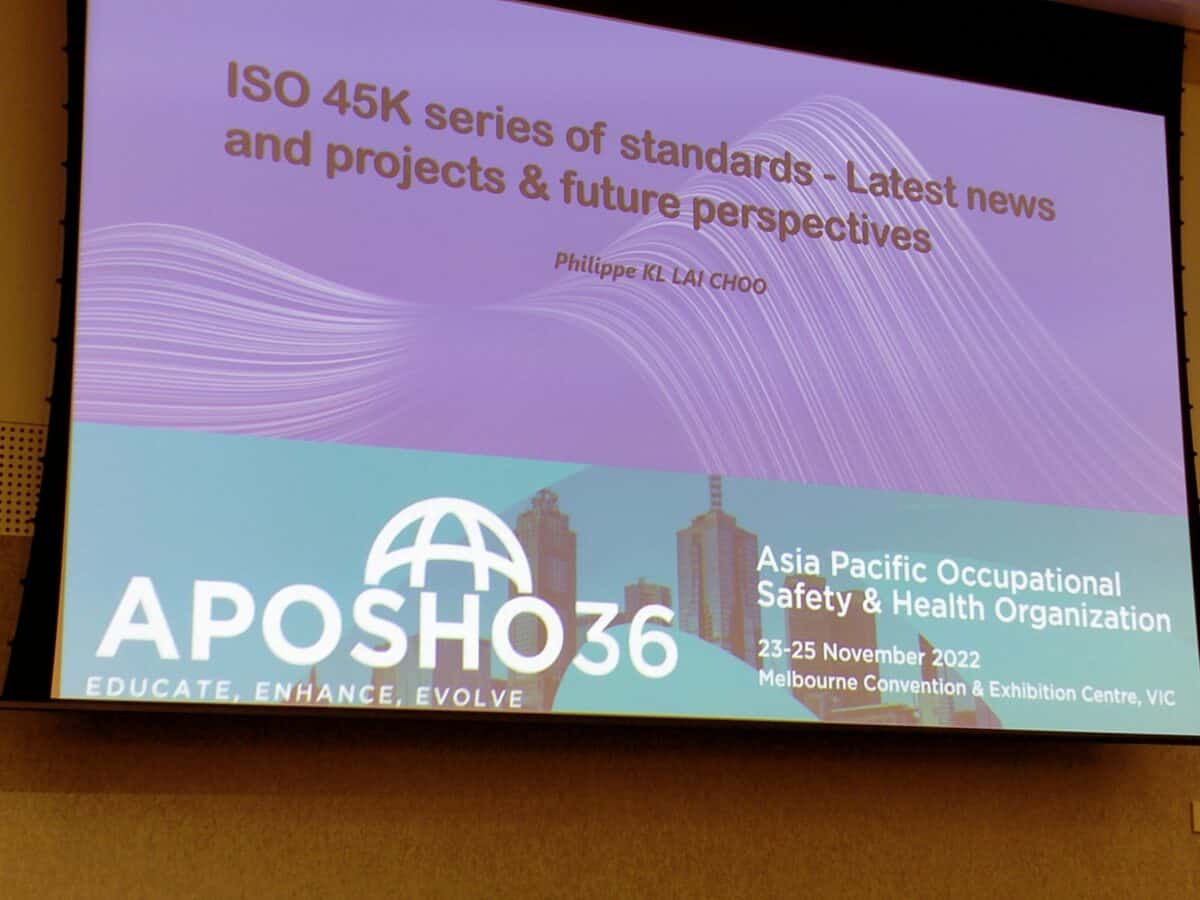
Later this afternoon, Carlo Caponecchia will be on a conference panel about ISO45003, a document he assisted in creating, but he has been involved in psychosocial hazard research for much longer than just one international Standard. I value his perspectives which are reflected in his responses to my questions below....

Subscribe to SafetyAtWorkBlog to continue reading.
Subscribe Help
Already a member? Log in here

What is the most persistent barrier to employers preventing psychosocial hazards?

Two prominent experts on psychosocial hazards at work, featuring at the Psych Health and Safety Conference later this week in Sydney, Mary Ann Baynton and I. David Daniels, responded to my question to them (and other speakers) listed in the title above. Mary Ann Baynton’s response first: “The two most persistent barriers to employers preventing …

Subscribe to SafetyAtWorkBlog to continue reading.
Subscribe Help
Already a member? Log in here

Tough questions about psychosocial safety and health

Over the next week or so, SafetyAtWorkBlog will be focusing on the issue of psychosocial hazards and psychological risks at work, as we cover the Psych Health and Safety Conference in Sydney. These risks and hazards are the most pressing topic in occupational health and safety (OHS) at the moment, with an increased demand for …

Subscribe to SafetyAtWorkBlog to continue reading.
Subscribe Help
Already a member? Log in here

The two approaches to psychosocial hazards

There are two common approaches to addressing and preventing psychosocial hazards at work.  One is to consider these hazards as originating within and affecting only workers and work processes. This looks at the hazards generated by work that affect work and downplays or dismisses factors from outside work.  The other is to acknowledge that work …

Subscribe to SafetyAtWorkBlog to continue reading.
Subscribe Help
Already a member? Log in here

The first psychosocial hazards book

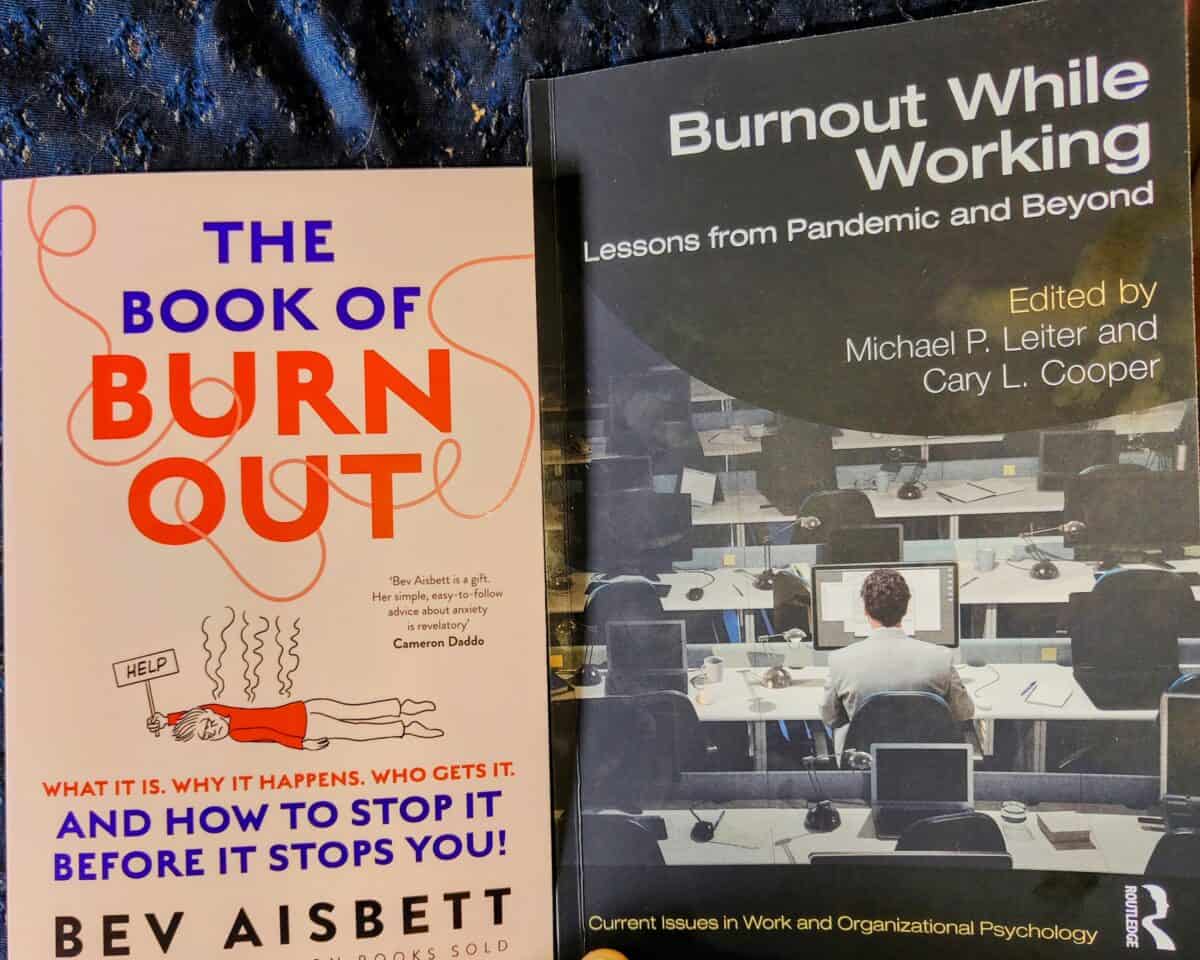
It has taken some time for an Australian to produce an affordable book on managing psychosocial hazards in the workplace. I have reservations about The Science of Happy Employees, self-published by Dr Brenda Jamnik. It is not the book I would write if I ever got off my arse to write one, but it seems …

Subscribe to SafetyAtWorkBlog to continue reading.
Subscribe Help
Already a member? Log in here

Different OHS messages to different audiences

Last week, WorkSafe Victoria held its annual Business Leaders’ Breakfast. The keynote speaker was Karen Maher, who spoke about the need for an effective and respectful workplace culture that would foster a healthy psychosocial environment. Her presentation would have been familiar to many of the occupational health and safety (OHS) and WorkSafe personnel in the …

Subscribe to SafetyAtWorkBlog to continue reading.
Subscribe Help
Already a member? Log in here

Are wellbeing programs “safe washing” their OHS performance?

First, there was brainwashing, then greenwashing and safewashing. Could the well-being industry be accused of safewashing? Has well-being had its day in the sun? The first use of safewash to describe presenting occupational health and safety (OHS) information in a diffused truth was in the 2016 research paper by Sharron O’Neill, Jack Flanagan and Kevin …

Subscribe to SafetyAtWorkBlog to continue reading.
Subscribe Help
Already a member? Log in here