 February 2018 is an important month for the SafetyAtWorkBlog as it is the 10th anniversary of the blog’s operation and the 1st anniversary of our subscription service.
Firstly, I need to thank the over-100 subscribers who have shown their appreciation for an independent voice on workplace health and safety. I do not claim to be right but I do claim to be provocative and provide a fresh perspective on OHS. I have had particularly positive feedback on the recent series of articles on sexual harassment and OHS.
The funds from subscriptions have provided me with the opportunity to attend local and international OHS conferences in 2017 and to provide exclusive reports back to subscribers. It has also allowed me to commission some works from other OHS people outside of Australia – a unique report on the OHS of wildlife rangers will be appearing shortly.
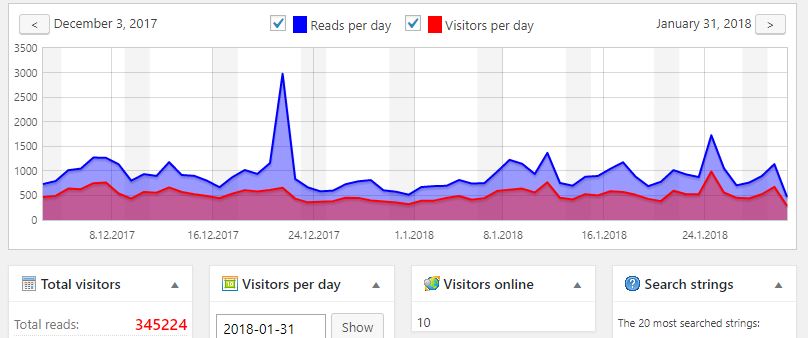 For those several thousand followers who don’t subscribe, I hope you appreciate the occasional free-access articles, the statistics certainly indicate there are plenty of you out there. Some basic stats for the SafetyAtWorkBlog in its first year of subscriptions include
- 17,000 monthly visitor numbers (average),
- 28,749 reads per month (average)
- a subscriber base of 100 safety consultants, companies and regulators, and
- over 2,700 email and blog followers who are notified each time a new article is uploaded.
I hope that the subscribers will resubscribe this year and that they will encourage others to. Some will automatically have their subscriptions renew automatically, other subscriptions will expire (depending on the purchase process you chose) and require a manual purchase.
Regardless I think it is the best $200 you will spend on your OHS state of knowledge this year.
I need also to thank the tireless work of the people at Concatenate who designed the website from the ground up and continue to do so.
Best Regards and Thanks
 Occupational health and safety (OHS) policy makers are keen on making decisions based on evidence. But evidence seems hard to get, for many reasons.
 Enforceable Undertakings
 One of the arguments that occupational health and safety (OHS) consultants use to convince employers of the importance of workplace safety is that good safety management will increase
 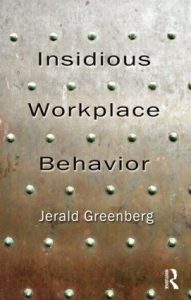 In
In