
 Sidney Dekker is a leading, and influential, voice in thinking about safety. His latest book, “The End of Heaven – Disaster and Suffering in a Scientific Age” is intriguing. In a couple of weeks SafetyAtWorkBlog will have an exclusive interview with Dekker about this book and other related issues but in the meantime here is a list of chapter topics as described by Dekker in his Preface. Compared to his earlier books, this book’s intrigue should be obvious.
Psychology, Leadership and Jonathan Lincolne
 Episode 47 of Andrew Barrett’s Safety On Tap podcast consisted of an interview with Jonathan Lincolne of Pockets of Brilliance. Several comments are of note.
Psychology
Around the 47 minute mark, Lincolne is asked about the level of psychological knowledge that the occupational health and safety (OHS) professionals should possess. Lincolne refreshingly describes himself as a skeptic about a lot of the recent psychological discussion, particularly the promotion of neuroscience.
NSW Minister should take the tough decision on quad bike safety
 It was reported during the recent Farm Safety Week in Australia, that the Federal Government is willing to work with the States to improve quad bike safety. The New South Wales (NSW) Government has responded by saying the Federals should provide a national five-star safety rating system on the farm vehicles. Such a system is widely supported until the discussion turns to the criteria to be included.
Some of the print reporting of the current discussions sound has the NSW Minister for Innovation and Better Regulation, Matt Kean, sounding like a politician – reasonable and measured. However, the delivery of the same message on the NSW Country Hour program for July 18 2017 (at the 43 minute 40 second mark) is much tougher. The Minister should be even tougher on this issue and take it up to the quad bike manufacturers. Continue reading “NSW Minister should take the tough decision on quad bike safety”
Me! Me! Me! – OHS needs to grow up for the new world structure
 There is much general discussion about the Fourth Industrial Revolution, The Future of Work and other speculative work-related concepts. Klaus Schwab of the World Economic Forum wrote:
“We stand on the brink of a technological revolution that will fundamentally alter the way we live, work, and relate to one another. In its scale, scope, and complexity, the transformation will be unlike anything humankind has experienced before. We do not yet know just how it will unfold, but one thing is clear: the response to it must be integrated and comprehensive, involving all stakeholders of the global polity, from the public and private sectors to academia and civil society.”
For the purposes of this blog “work” is the focus and health and safety the discussion points. Occupational health and safety (OHS) professionals have a unique opportunity to participate in the early stages of this societal disruption. But there is also a risk that OHS could miss out. Continue reading “Me! Me! Me! – OHS needs to grow up for the new world structure”
What is Farm Safety Week really saying about safety?
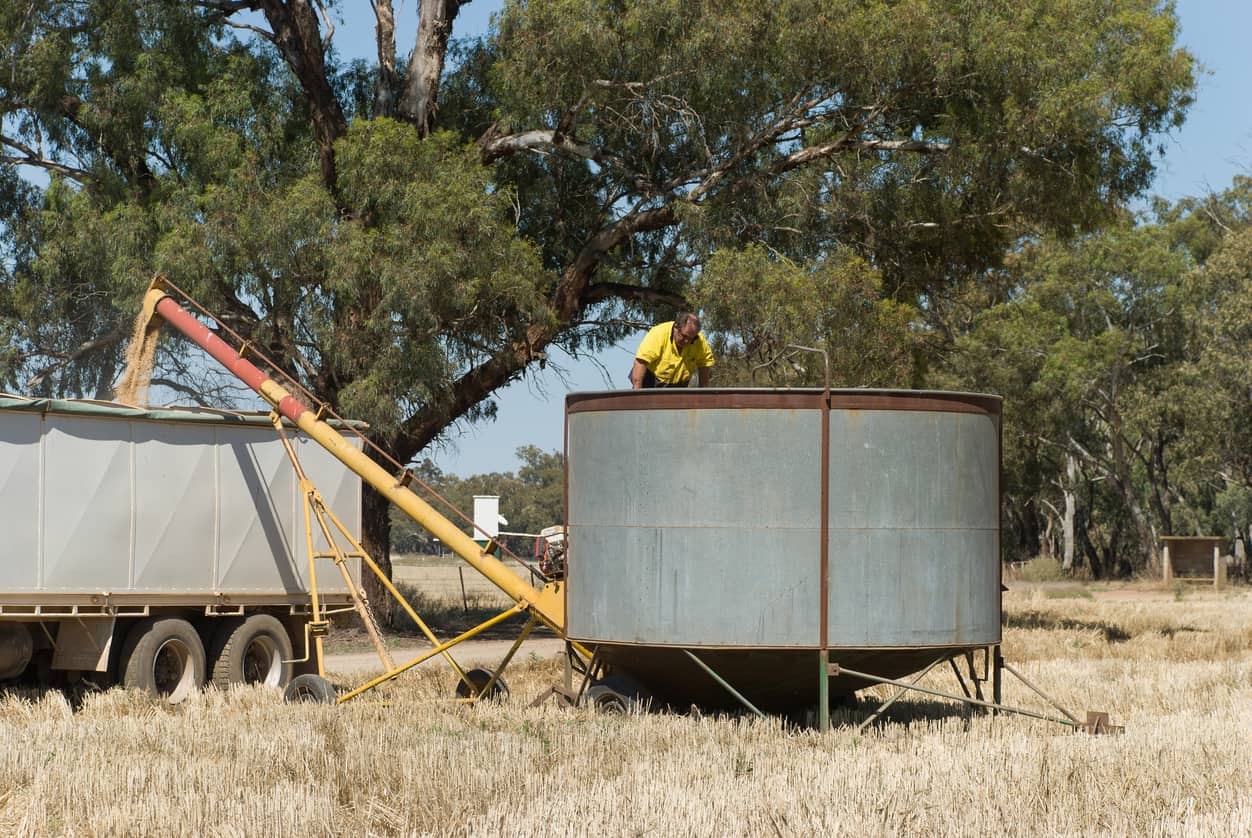 This week is Farm Safety Week in Australia. This means that a lot of organisations will be issuing media releases about how to either, improve safety performance (ie. reduce harm) or raise awareness of risks and safety. What is likely to be missing from the information is practical information. This is partly because of the unique nature of farmers – isolated, small businesses, politically conservative and working from home.
Safe Work Australia
On the first day of the week Safe Work Australia (SWA) released an
OHS and murder
In 2014, Glen Turner, an environmental officer with the New South Wales government was murdered will inspecting agricultural properties for illegal land clearing. Turner was shot repeatedly by local farmer Ian Turnbull, and died at the scene in front of his work colleague, Robert Strange. 79-year-old Turnbull was found guilty and jailed but died 12 months into his prison term. Due to pressure from Turner’s family, the NSW Government has announced a coronial inquest into the death and the circumstances leading up to it.
Several media reports acknowledge that Turner was killed while at work but the occupational health and safety (OHS) context of the shootings and the actions leading up to the incident has not been investigated except where it led to Turnbull’s trial. Indications are that the coronial inquest will look at this perspective.
More work needed on public evacuation protocols
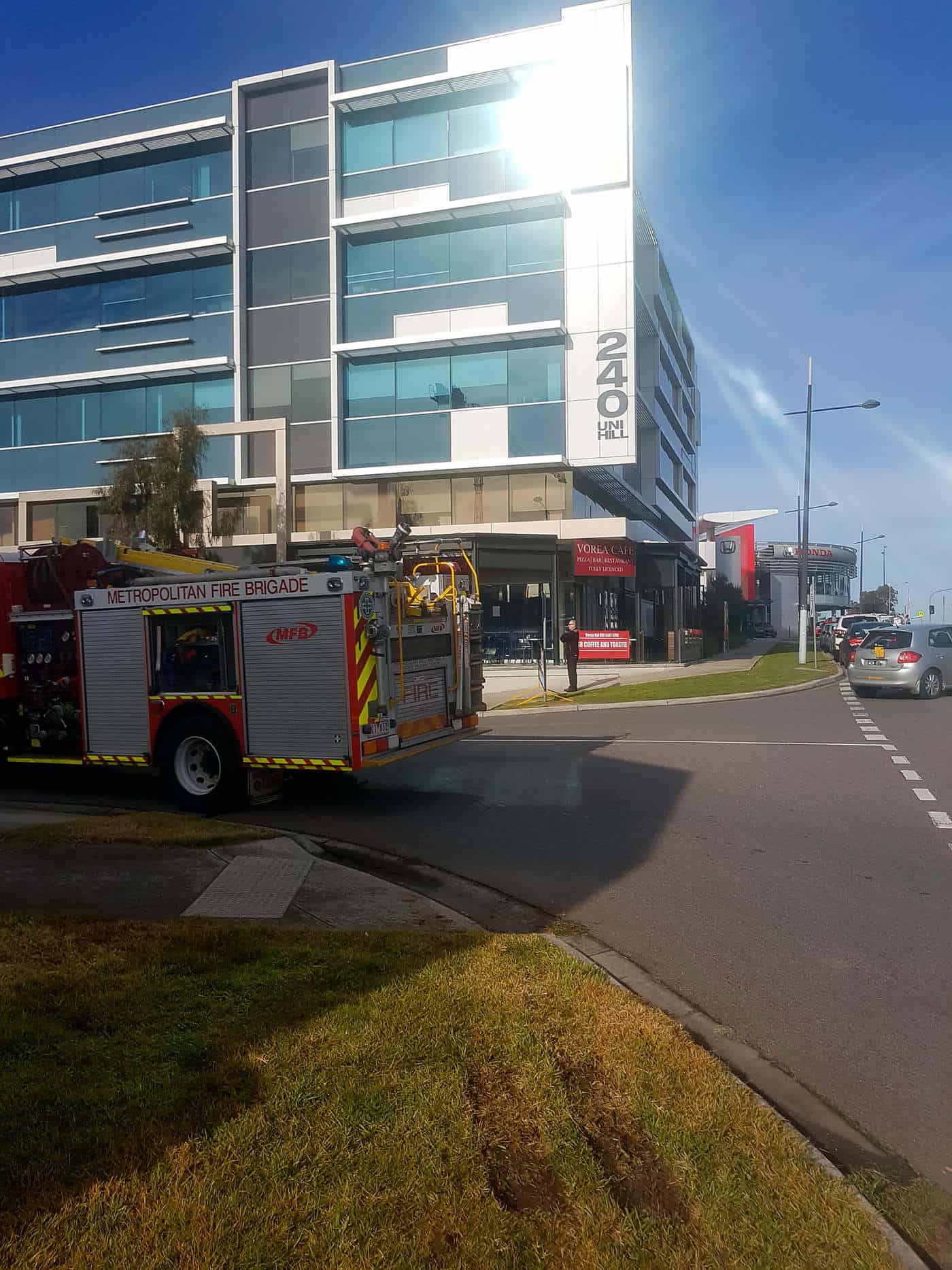 On 12 July 2017 a kitchen fire broke out in a densely packed restaurant and cafe sector of Melbourne, Australia. This article illustrates some of the localised response and firefighting attempts. Earlier that day I was in a cafe in Melbourne’s northern suburbs when the building’s evacuation alarm sounded (pictured right). There was no fire in the cafe and patrons were confused when directed to evacuate by a voice on the speaker/alarm system. This confusion was not helped when the young waiters told patrons to stay, kept serving patrons and continued to take orders. This experience illustrates significant misunderstandings about emergency protocols in public areas. Continue reading “More work needed on public evacuation protocols”