The American Approach to Psychological Safety

Harvard Business Review (HBR) is an active publisher of articles on business management. In 2024, it released a collection of essays on psychological safety as part of its Emotional Intelligence series. HBR’s psychological safety advice is written for a U.S. corporate audience. It largely ignores the legislative duties that shape psychosocial risk management in Australia, …

Subscribe to SafetyAtWorkBlog to continue reading.
Subscribe Help
Already a member? Log in here

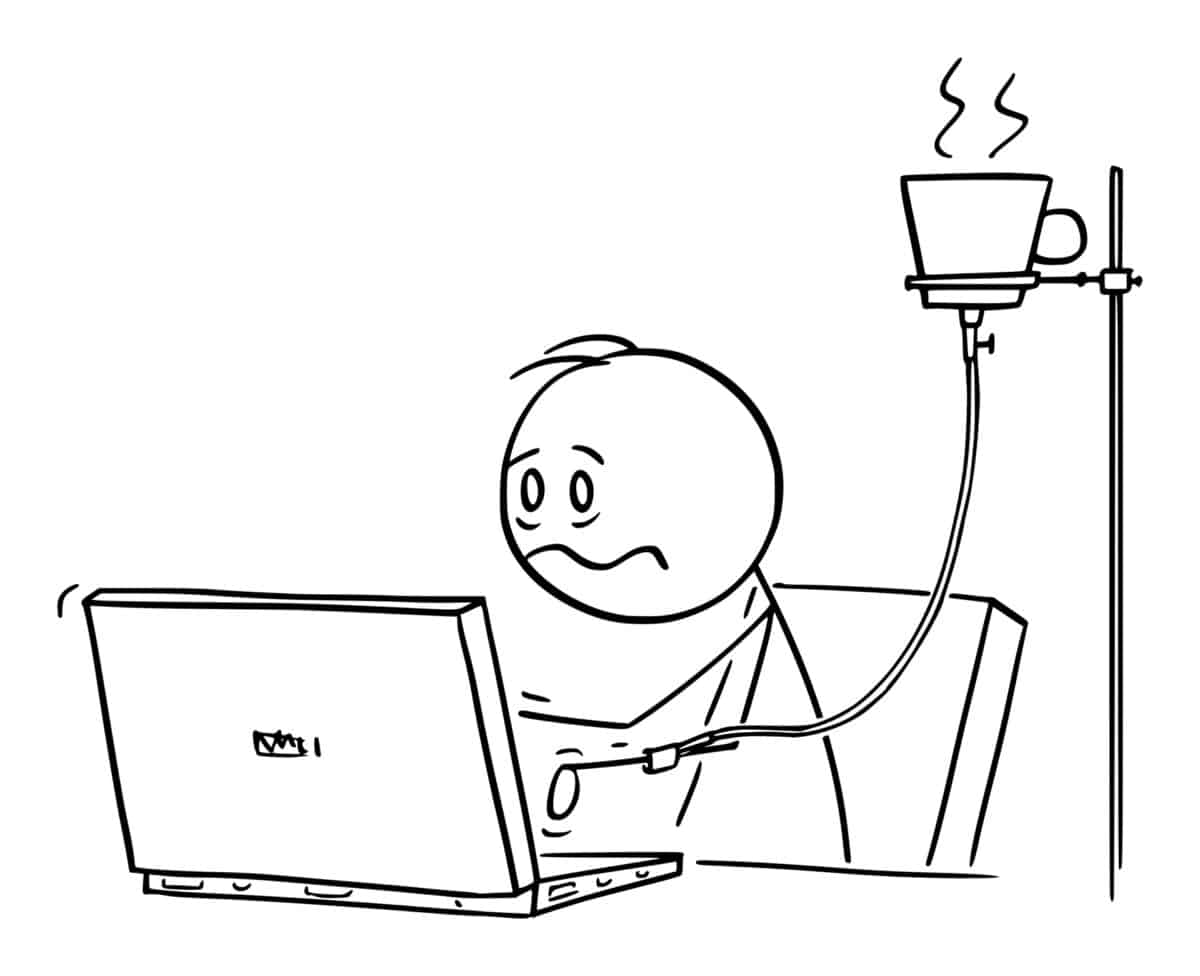
Workism: Australia’s Most Socially Acceptable Form of Self‑Harm

Safe Work Australia states that : “A psychosocial hazard is anything that could cause psychological harm (e.g. harm someone’s mental health).” Preventing these hazards is most effective and sustainable through redesigning work, but this approach should not deny that personal decisions can also be hazardous. In the broader social and occupational contexts, it is worth …

Subscribe to SafetyAtWorkBlog to continue reading.
Subscribe Help
Already a member? Log in here

Why Global Initiatives Won’t Prevent Workplace Harm

Every few years, a new global initiative arrives promising to reshape corporate behaviour. The Sustainable Development Goals (SDGs) were meant to align business with human well-being. The Global Reporting Initiative (GRI) promised transparency. ESG (Environmental, Social and Governance) reporting was sold as the market‑friendly mechanism that would finally make corporations care about people and the …

Subscribe to SafetyAtWorkBlog to continue reading.
Subscribe Help
Already a member? Log in here

A Notable Omission in Burnout Talk

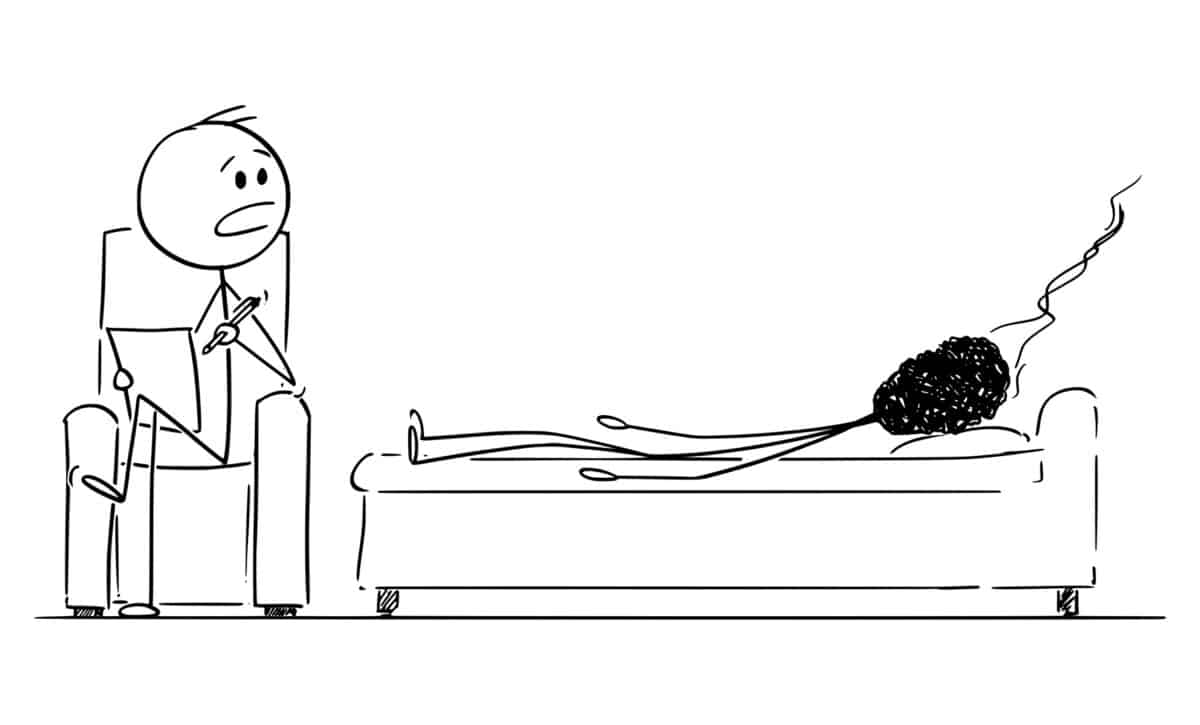
A recent radio/podcast discussion about burnout was instructional and frustrating. The November 7, 2025, episode of This Working Life was based on interviews with organisational psychologist Ben Searle and clinical psychologist Luke Martin about workplace burnout....

Subscribe to SafetyAtWorkBlog to continue reading.
Subscribe Help
Already a member? Log in here

The Ignored Costs of Unpaid Overtime

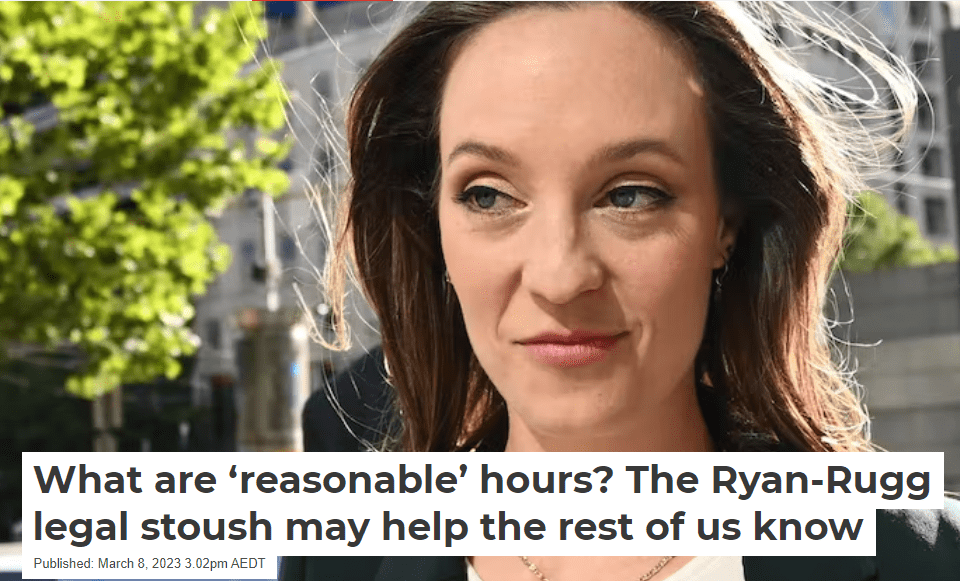
Australia has held an annual “Go Home on Time Day” for many years, but the amount of unpaid work workers give to their employers and the time their families miss out on remains high. Looking at new data in light of the legislative need for Australian employers to identify and assess psychosocial hazards, there are …

Subscribe to SafetyAtWorkBlog to continue reading.
Subscribe Help
Already a member? Log in here

Denmark and Australia Compared on Psychosocial Safety

Niru Tyagi recently wrote on LinkedIn about Denmark’s regulatory approach to work-related psychosocial hazards, comparing it the current Australian approach, framing Denmark as creating an industrial obligation. It is a perceptive comparison but downplays the significance in Australia of the criterion of reasonably practicable....

Subscribe to SafetyAtWorkBlog to continue reading.
Subscribe Help
Already a member? Log in here

Turning the Mental Health Ship in Construction

Mental health in the construction industry is a perennial occupational health and safety (OHS) concern – high levels of suicide, suicide ideation, depression, anxiety, etc, – the usual suspects. Research into this has been robust in Australia, with the work of Professor Helen Lingard and the Construction Industry Culture Taskforce, among others. Recently, I heard …

Subscribe to SafetyAtWorkBlog to continue reading.
Subscribe Help
Already a member? Log in here