
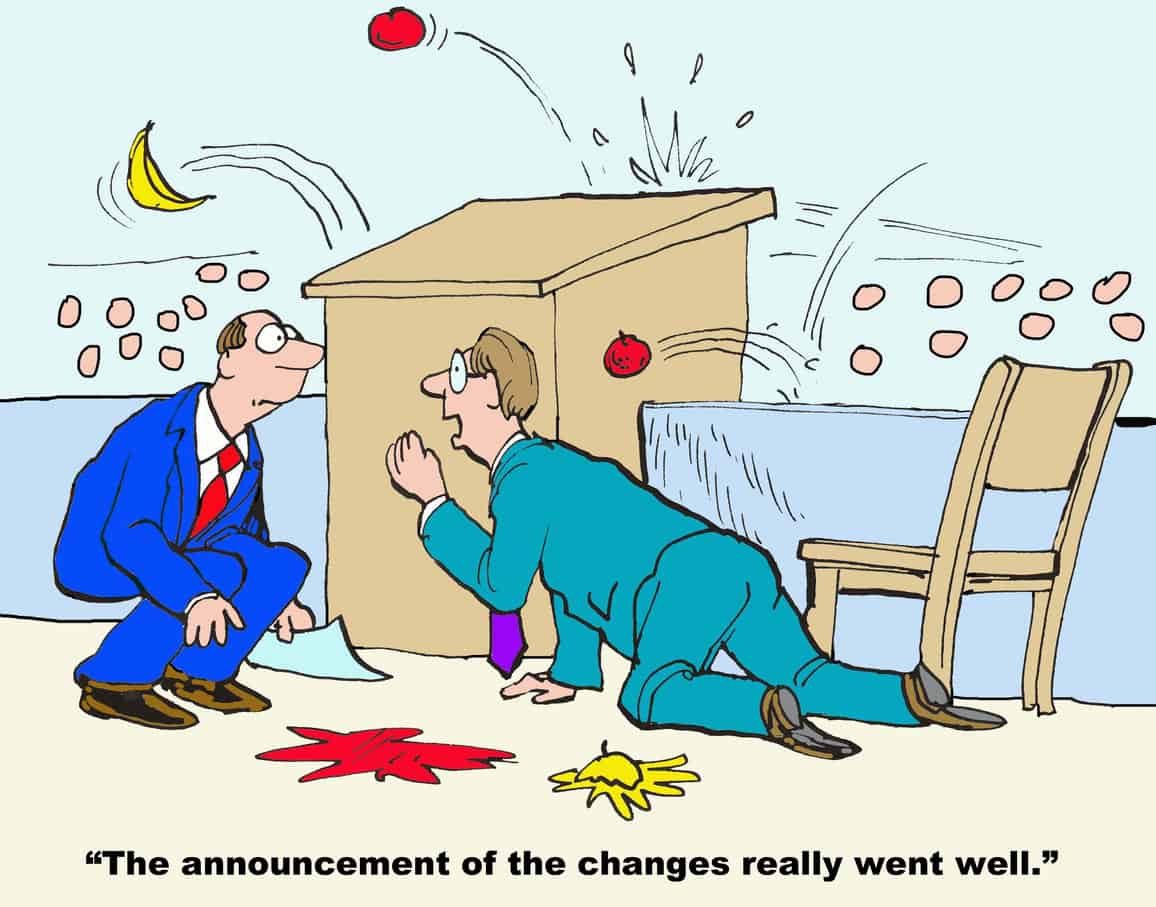
The Victorian Government plans to introduce legislation regarding psychosocial hazards, similar to that of all other Australian jurisdictions, by the end of 2025. But what workplace changes are expected when this new set of occupational health and safety regulations is enacted? Other States’ laws may provide clues.
OHS Law Was Meant to Empower, Not Excuse
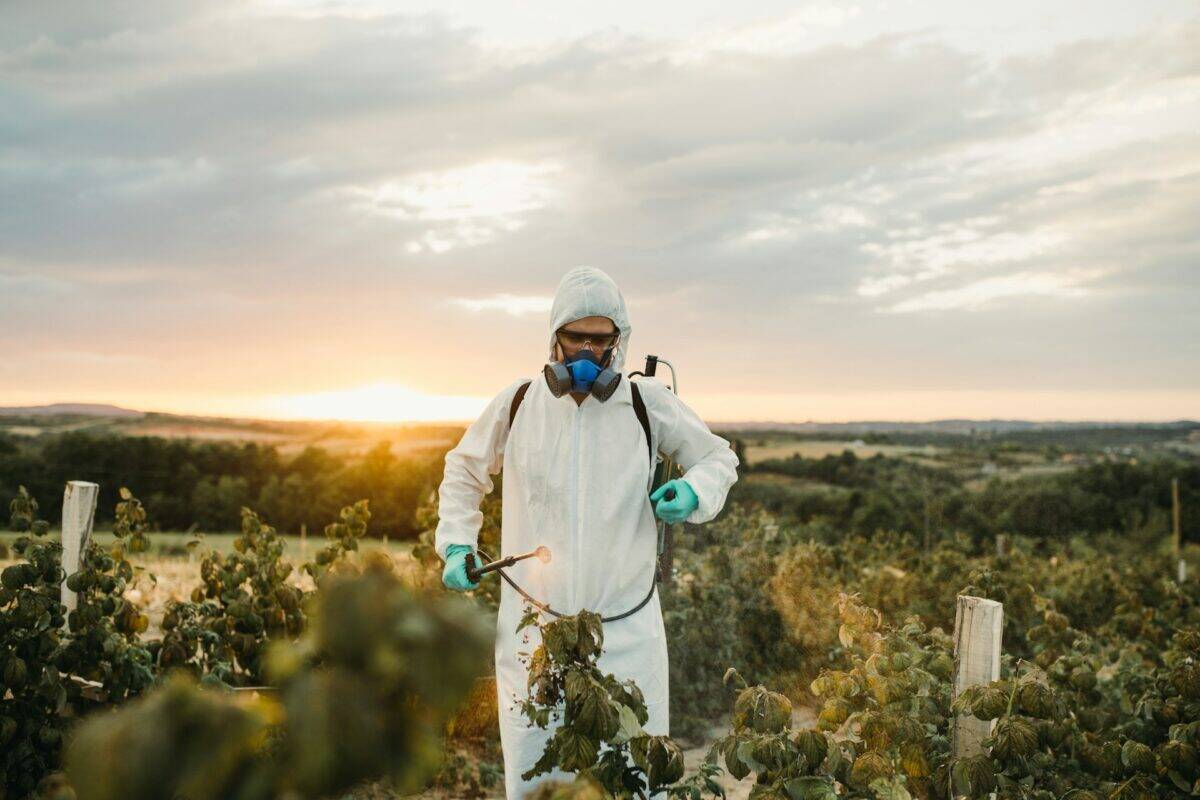
Australian occupational health and safety (OHS) laws require employers to be compliant with their OHS duties, but also allow the flexibility for employers to determine their own level of compliance. This has complicated OHS because employers can never be sure that they are in compliance. Compliance and non-compliance are usually determined accurately through the courts after legal action by the OHS regulatory agency and after a workplace incident. This uncertainty is compounded for small business owners who just want to be told what to do to be compliant.
Perhaps the most challenged industry sector is farming, which cannot avoid the uncertainty that the OHS laws provide. This uncertainty is one that highly-resourced employers are proud to claim as a well-fought-for benefit, namely, flexibility, but it is more of a problem for isolated rural workplaces and small businesses.
The Politics of Working From Home Continues to Miss the OHS Arguments
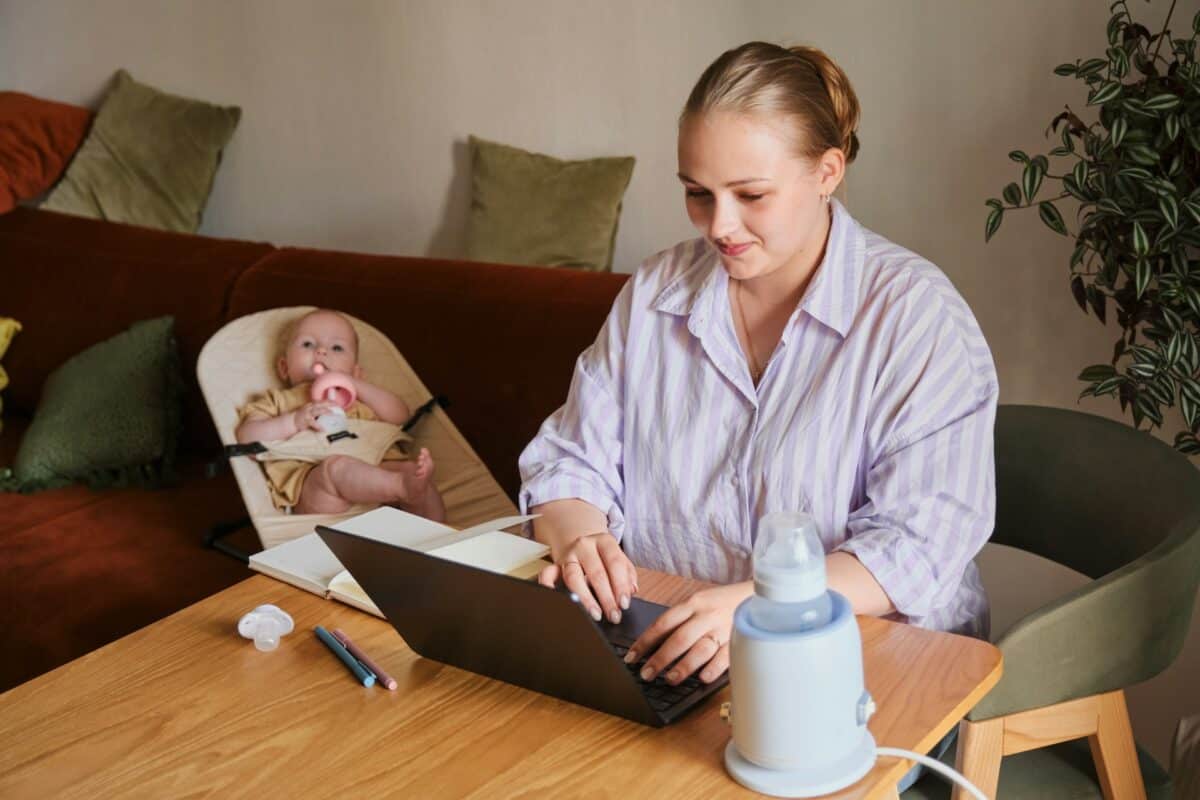
Working from home (WFH) is being sold as a cost-of-living fix and a family-friendly reform—but the Victorian government’s proposed WFH legislation misses a critical point: it’s also an occupational health and safety issue. While politicians tout productivity and convenience, they largely ignore the psychological benefits, consultation obligations, and uneven access that make this policy far more complex than a Monday morning commute.
You had to look hard for mentions of the occupational health and safety (OHS) legitimacy of the proposed law changes in Parliament this month.
Audio summary on Quad Bike Safety
I have been writing about the safety of quad bikes and all-terrain vehicles for many years. The debate over quad bike safety was one of the most complex and vicious I have ever seen. In some minds, the issue has been resolved in Australia, but farmers continue to die from these vehicles.
Below is a brief 5-minute video about some of the OHS issues associated with these vehicles. I’d love to hear your thoughts on it, especially if you think a book about the issues would be worthwhile.
The audio will be available soon on the SafetyAtWorkBlog SoundCloud feed.
SafetyAtWorkBlog followed the quad bike safety saga, and dozens of exclusive articles are available for subscribers.

Why Leaders Still Miss the Hazards That Matter
We know what employers/leaders do or do not do about psychosocial hazards at work and the psychological impacts. But there is still insufficient discussion on why those leaders make those choices. Recently, Dr Caroline Howe came close to answering the “why” in a blog article for her Psychosocial Safety and Leadership Institute.
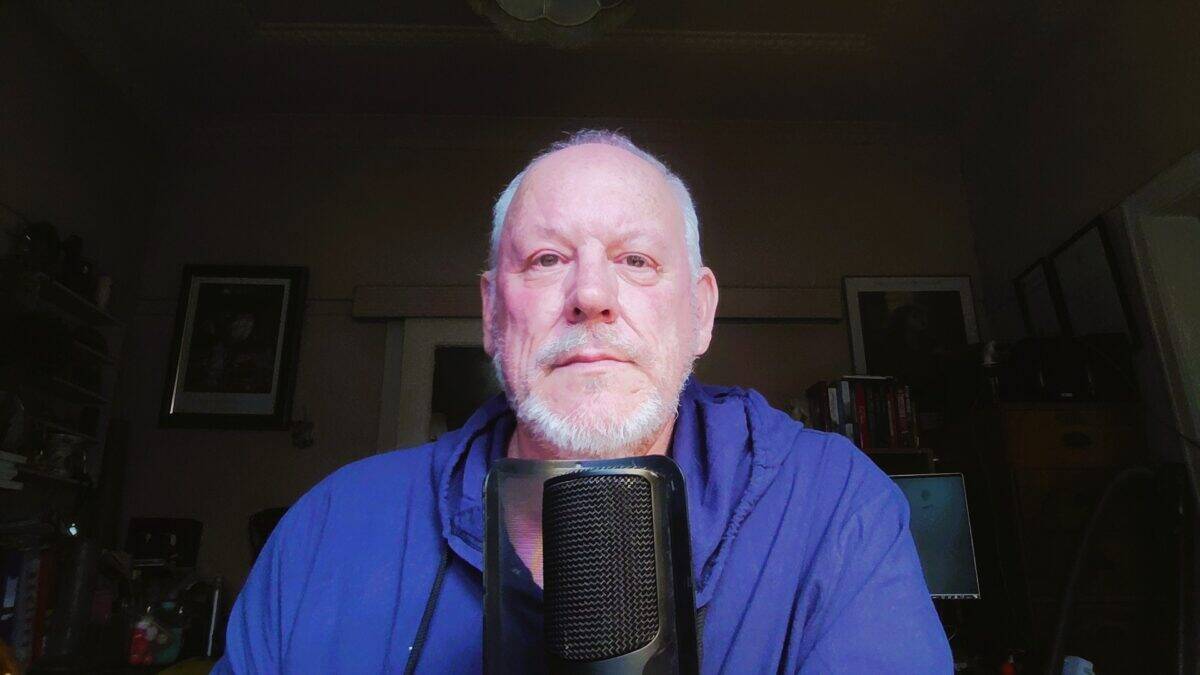
Audio summaries and podcasts
I have had a very positive response to my short audio summaries of SafetyAtWorkBlog articles available through SoundCloud. These free 5 or 6-minute monologues are intended to be short, thought-provoking chats about various aspects of occupational health and safety.
Almost a dozen have been posted over the last few weeks on topics such as suicidality, farm safety, compliance, ethics, COVID-19, seminars, and new books.
If you are interested in quick digestible thought pieces, please consider a free subscription through SoundCloud.
Stream SafetyAtWorkBlog | Listen to podcast episodes online for free on SoundCloud
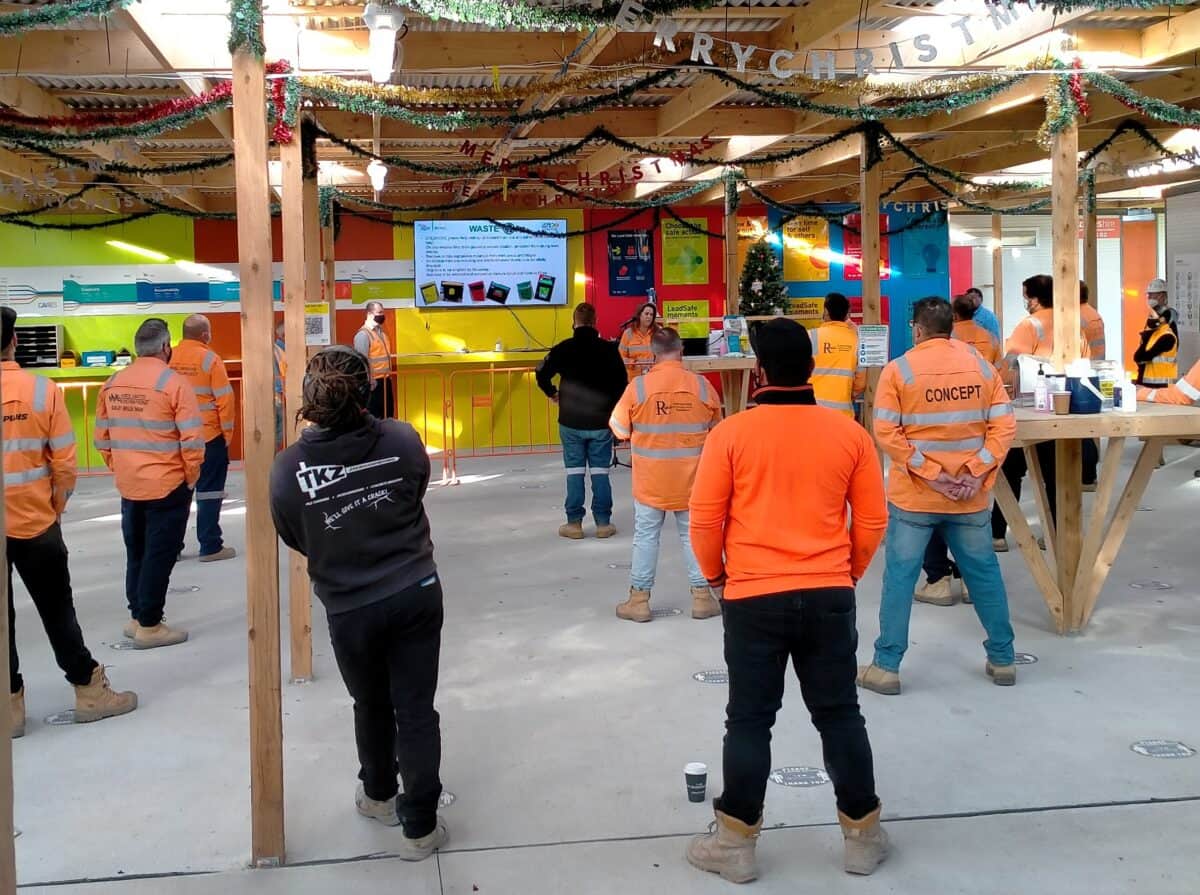
Someone should have read the instructions – OHS in COVID times
Ask someone to depict occupational health and safety (OHS) in a drawing, and the image is likely to include a hard hat, maybe some safety glasses, or hearing protection. Personal Protective Equipment (PPE) dominates the concept of OHS and how people perceive OHS, even when PPE is the last hazard control option to be considered in providing safe and healthy work.
Our relationship with PPE has forever been changed by everyone’s experience of the COVID-19 pandemic. The survivors of the pandemic are loath to reflect on those few intense years, but OHS needs to talk about the pandemic and what went right and what went wrong. Here’s a short start to the conversation.