

There was a row of cheering trade union supporters in the late session of the documentary “Union” at Carlton’s Cinema Nova earlier this week. The film was showing as part of a documentary festival, and the cinema was less than half-full. The film showed an example of grass-roots union organising. There were optimism and failures, and the occupational health and safety (OHS) catalysts for the unionism were mentioned in passing.
Category: business

Good Safety Grows Economies—Poor Governance Shrinks Them
Recently, WorkSafe ACT posted the latest episode of its Safety Spotlight podcast in which occupational health and safety (OHS) experts share their knowledge. There is commonality with much OHS advice, but there are slight variations of data and emphasis that are useful to note.
This episode included Jacqui Agius, the Australian Capital Territory’s Work Health and Safety Commissioner, and Professor Helen Lingard of RMIT University. According to the show notes:
“….they discuss the crucial importance of workplace safety, not just in preventing injuries but also its economic impact. The episode covers the hidden costs of cutting corners on safety, the significance of a proactive safety culture, and the benefits of consulting workers and employing safety by design.”
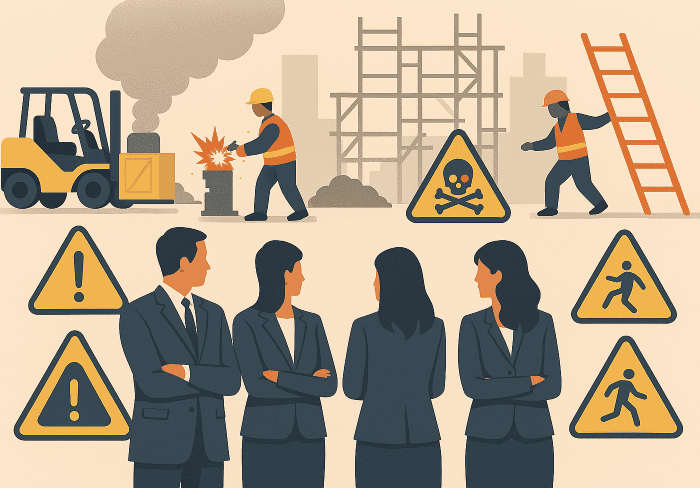
Employer Responsibility in Workplace Safety is Being Overlooked
In the ongoing debates about workplace safety, a critical question is often left unasked: What are employers doing to ensure safe and healthy work environments, and why are their responsibilities so frequently underplayed in public discourse? Too often, when workplace safety issues arise, the conversation quickly shifts to affordability and government intervention.
Continue reading “Employer Responsibility in Workplace Safety is Being Overlooked”
Burnout Lessons CEOs Still Haven’t Learned
Business newspapers and websites often report on executives revealing their own burnout and how they have changed their lives as a result. The changes they make indicate their decisions that led to their mental health crises and epiphanies. But executives lead by example, so how many of the employees are emulating the executives’ mistakes? Shouldn’t the executives redesign their companies’ systems of work to prevent anyone else from suffering from burnout?
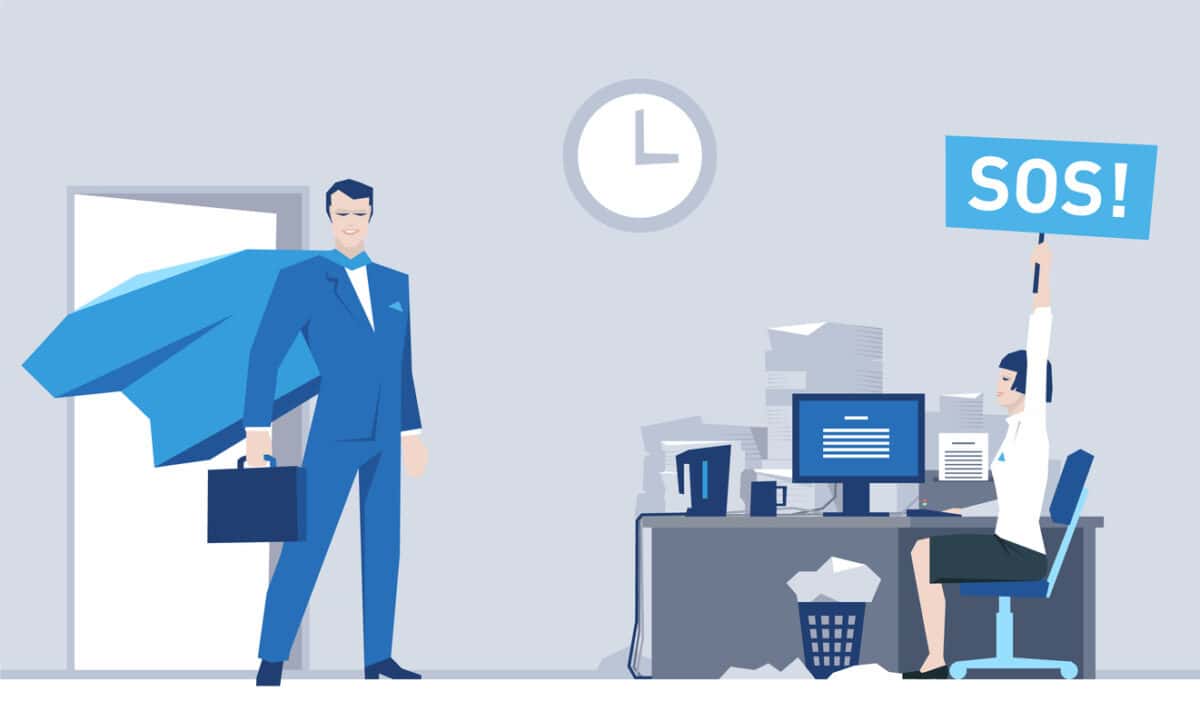
Endorsing Exploitation? The Legal and Moral Blindspot in the Long-Hours Hustle
Recently, the Wall Street Journal (WSJ) published an extraordinary article that seems to endorse the exploitation of the mental health of workers. (Although the article is paywalled, it is getting a run in some local Australian newspapers) The article reports that companies like Shopify, Solace Health, and Rilla are bluntly marketing roles that involve extreme hours, a relentless pace, and minimal downtime.
One job post literally reads: “Please don’t join unless you’re eager to work 70 hours a week.”
If the job ads for these prominent North American companies were posted in Australia, the unsafe working conditions would likely be deemed illegal.
Bananas, Bench Press, and Bull – A Health Program for the Already Healthy
Researcher William Fleming found that there is little evidence to support the claim that workplace wellness programs provide the health benefits typically promised. That research from a couple of years ago still resonates, but Fleming has continued to research corporate wellness programs and is broadening his discussion. The latest research paper, “Health lifestyles at work: availability, barriers and participation in workplace wellness”, is a deeper analysis of the social context of wellness programs and why employers use them.

Buddying Isn’t Babysitting—It’s a Safety System That Can Build Trust
One of the most significant safety challenges for any employer is determining when a new employee is ready to work independently, without direct supervision. When do you trust that they can undertake a task without being hurt? That focus should not be solely on the worker’s ability, though; it should also be on the systems of work that you have in place to keep that worker safe. Is the job or task too much for them? Or does the job require another person to be present for it to be done safely?
We want our workers to be competent and confident. We want to trust them to do the job properly, i.e., safely, on time, and to a good quality. However, some jobs and tasks cannot or should not be done properly by only a single worker, and we should not expect a single worker to handle all tasks.