
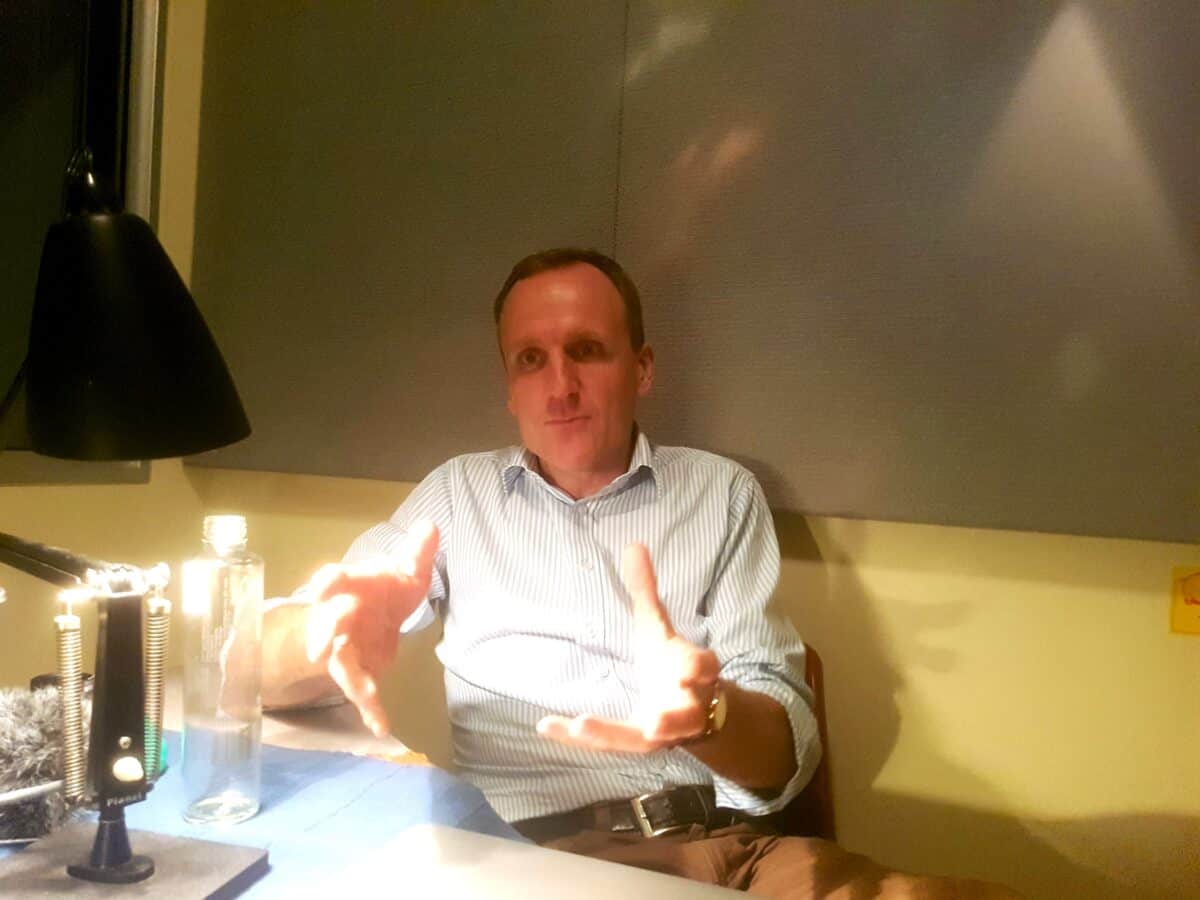
One of the most interesting discussions about morality I have had was with Professor Sidney Dekker in 2017. Following my article on the morality of US President Donald Trump, below is a summary of Dekker’s thoughts on occupational health and safety and morality.
Category: business
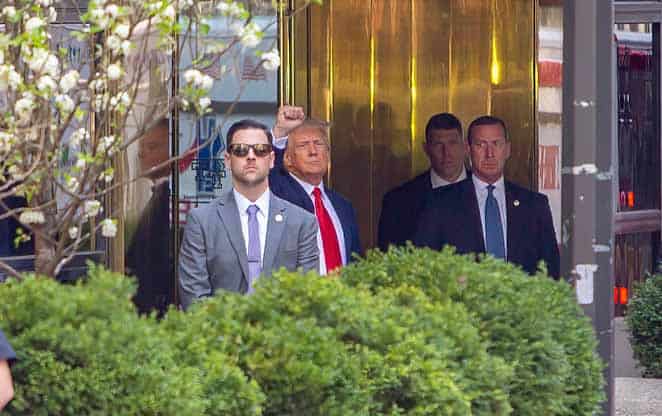
‘I’ll Obey the Laws I Like’: A (Sad) Leadership Masterclass
The President of the United States has always been recognised as a major leader. The morality they display spreads to global corporate leaders, especially those in the United States, and is promoted by these leaders, business institutions and management publications to business leaders and senior executives in Australia. That is why some of President Donald Trump‘s recent comments are so concerning.

Who is responsible?
Another nightclub fire due to pyrotechnics resulted in many deaths and injuries. Investigations have started, and there is a scramble about who was responsible for not reducing the risks of this type of incident.
The Australian Financial Review reported (via the New York Times and paywalled) on the lack of regulatory enforcement by local authorities.
Resilience training as a “veneer of care”
Last month, the Sunday Times published an article with a concerning headline: “Resilience training for Gen Z is booming — and that’s no bad thing” (paywalled). Resilience training for psychological safety at work has not been discredited, but there is plenty of evidence showing it is insufficient and inappropriate as a primary strategy for preventing psychological harm. This evidence is being reflected in Australia’s Codes and guidance for managing psychological safety.

Why Your “Wellbeing Morning Tea” Won’t Impress a Regulator
[This is an attempt at satire]
In today’s rapidly evolving operational landscape, Australian organisations are increasingly aligning their strategic posture with the emerging consensus that psychosocial risk is, in fact, a WHS issue.
A bold stance, only 20 years behind schedule.

Workplace Suicides Becoming Australia’s Next Regulatory Flashpoint
You should have heard by now that Safe Work Australia (SWA) has come through with guidance on having work-related suicides included in each jurisdiction’s occupational health and safety (OHS) legislation as incidents that will require notification to the local OHS regulator. If you haven’t, get a new OHS or Human Resources (HR) adviser because the future will be a bumpy, uncomfortable and challenging ride.
Warning: this article discusses suicide.

What changes does Leadership Require
In the landscape of occupational health and safety (OHS), executive leadership is often framed through the lens of compliance. However, as I and others have long argued, the law is the minimum; leadership must aim higher. Across hundreds of SafetyAtWorkBlog articles, a consistent theme emerges – safety leadership must evolve from bureaucratic oversight to moral accountability.
Continue reading “What changes does Leadership Require”