
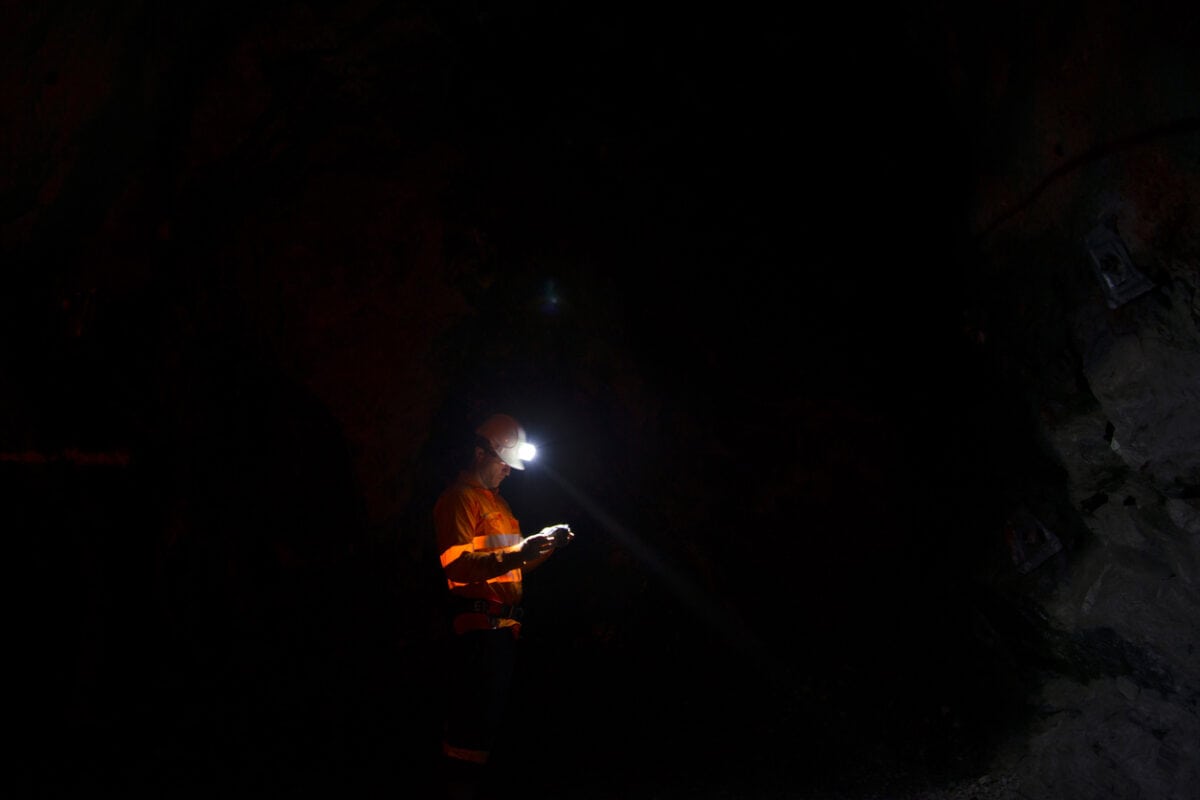
Sexual harassment in Australia’s fly-in, fly-out (FIFO) female mining workforce is well-established after several official inquiries. Sadly, it appears that some of the European holiday visa workers were not aware of the risks, according to a report in The Observer newspaper on November 14, 2025.
Category: compliance

Unsafe Back Then, Unsafe Now. Why Leadership Must Change
To truly understand occupational health and safety (OHS) issues, it is necessary to examine OHS concerns beyond one’s own industry. Recently, this blog has reported on some parliamentary debates on OHS in the horse racing industry. The November edition of The Monthly includes an exposé of the OHS of Australia’s horse racing industry by freelance writer, Madison Griffiths, with lessons for all of us on morality, Godliness, accountability and leadership. The article is paywalled but well worth the purchase.

Is there even a need for a home office?
In today’s The Age newspaper is an article about a worker who claimed part of his rent for his home office as a work-related tax deduction (paywalled). The Australian Taxation Office rejected the claim, but it is now being considered by the Federal Court. There is a comment in the article that questions the need for a home office and challenges the occupational health and safety (OHS) context of working from home.
Why do we need a “positive duty” to prevent harm?
In 2023, a Royal Commission into Violence, Abuse, Neglect and Exploitation of People with Disability recommended that the Commonwealth Disability Discrimination Act 1992 be amended to introduce a positive duty on all duty-holders to eliminate disability discrimination, harassment and victimisation. This echoes the imposition in 2022 of a positive duty to prevent sexual harassment. Occupational health and safety (OHS) legislation has had its positive duty to prevent work-related harm since 1985. So why this current push for positive duties?

Denmark and Australia Compared on Psychosocial Safety
Niru Tyagi recently wrote on LinkedIn about Denmark’s regulatory approach to work-related psychosocial hazards, comparing it the current Australian approach, framing Denmark as creating an industrial obligation. It is a perceptive comparison but downplays the significance in Australia of the criterion of reasonably practicable.
Victoria’s Psych Safety Code identifies preventions, and HR help will be needed
The release of new psychological safety workplace regulations and guidance in Victoria is a big thing. Partly because this closes the gap, with similar occupational health and safety (OHS) regulations now in place throughout Australia. Partly because Victoria was an early advocate for changes to these workplace hazards, and the government sat on its hands with this issue for far too long. (No one really knows why)
A quick read of the Compliance Code suggests that many of these hazards are unlikely to be controlled without the cooperation of Human Resources (HR) personnel. This might be the biggest challenge to achieving change and preventing harm.

OHS Law Was Meant to Empower, Not Excuse
Australian occupational health and safety (OHS) laws require employers to be compliant with their OHS duties, but also allow the flexibility for employers to determine their own level of compliance. This has complicated OHS because employers can never be sure that they are in compliance. Compliance and non-compliance are usually determined accurately through the courts after legal action by the OHS regulatory agency and after a workplace incident. This uncertainty is compounded for small business owners who just want to be told what to do to be compliant.
Perhaps the most challenged industry sector is farming, which cannot avoid the uncertainty that the OHS laws provide. This uncertainty is one that highly-resourced employers are proud to claim as a well-fought-for benefit, namely, flexibility, but it is more of a problem for isolated rural workplaces and small businesses.