Someone should have read the instructions – OHS in COVID times

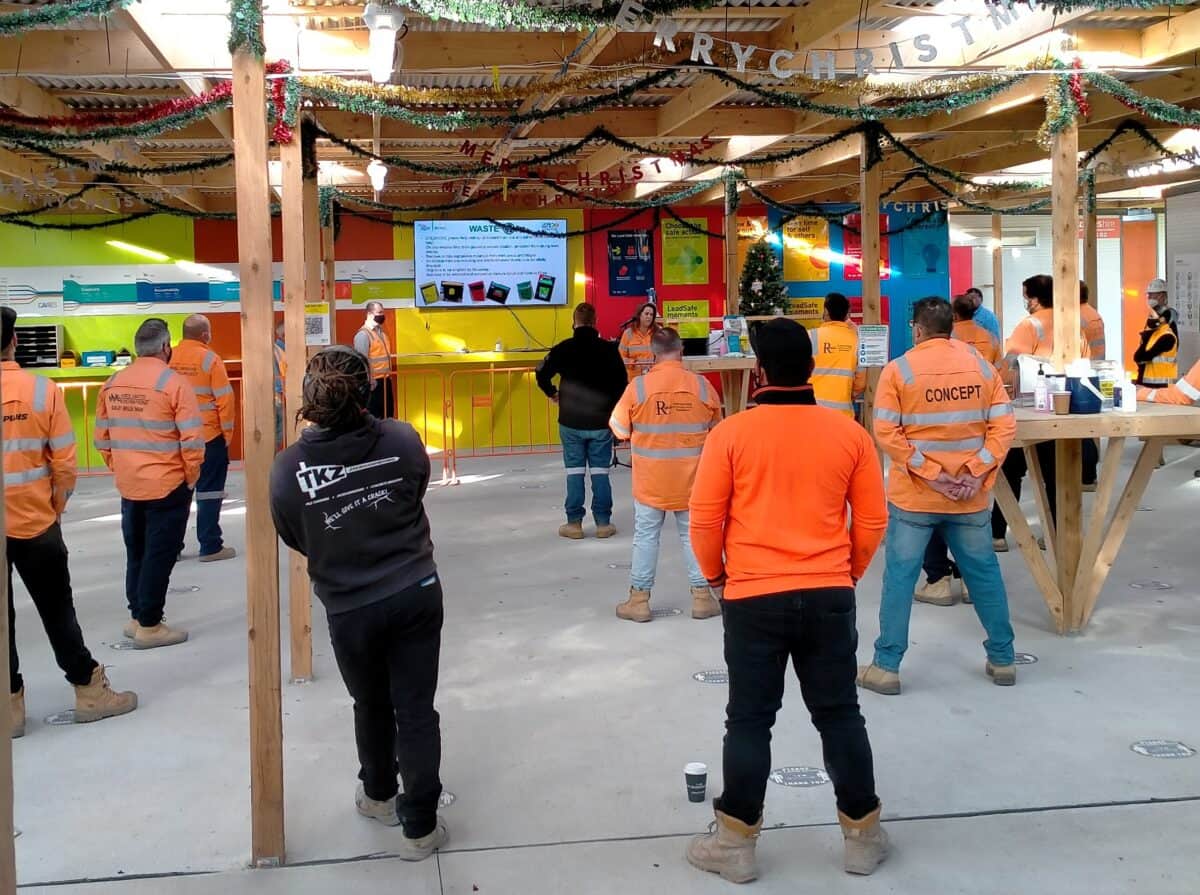
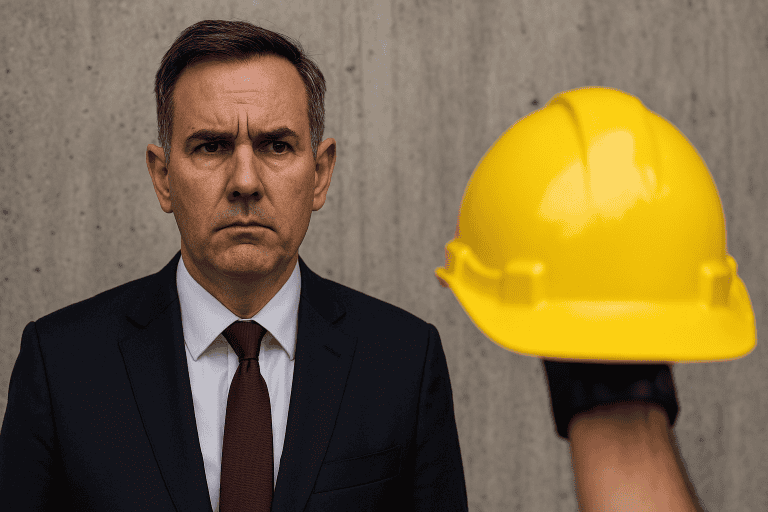
Ask someone to depict occupational health and safety (OHS) in a drawing, and the image is likely to include a hard hat, maybe some safety glasses, or hearing protection. Personal Protective Equipment (PPE) dominates the concept of OHS and how people perceive OHS, even when PPE is the last hazard control option to be considered in providing safe and healthy work.

Our relationship with PPE has forever been changed by everyone’s experience of the COVID-19 pandemic. The survivors of the pandemic are loath to reflect on those few intense years, but OHS needs to talk about the pandemic and what went right and what went wrong. Here’s a short start to the conversation.

Subscribe to SafetyAtWorkBlog to continue reading.
Subscribe Help
Already a member? Log in here

Audio summary on reasonably practicable

In the next short audio episode, I discuss the myth of “reasonably practicable” within occupational health and safety (OHS) and the moral implications it carries. Safety is not just about adhering to laws but about upholding values and a moral code in the workplace. Legislation should be viewed as a tool, not a destination, and we must go beyond mere compliance to effectively protect workers from harm.

This thought-provoking discussion is based on an article from SafetyAtWorkBlog, published on August 21, 2025.

Kevin Jones

When Safety is Misunderstood

Discussion about workplace psychosocial hazards seems to be everywhere. This is a good thing, as everyone needs a better understanding of the risks workers face and what prevention mechanisms are expected from employers and business owners. But that discussion needs to be measured and accurate. A recent article written about this issue for accountants is slightly inaccurate about occupational health and safety (OHS).

Subscribe to SafetyAtWorkBlog to continue reading.
Subscribe Help
Already a member? Log in here

Australia’s Safety Blindspot

Australia’s Economic Roundtable recycled the same institutions and failed metrics that have long masked our productivity crisis. As Amy Remeikis notes, those who shaped past policy failures now feign surprise at the fallout. Meanwhile, important drivers of productivity, such as safe and quality work, remain ignored. OHS is treated as a compliance chore, rather than a strategic asset. If the Albanese government truly wants productivity reform, it must stop listening only to the “profit class” and start measuring what matters: worker health, dignity, and contribution.

Subscribe to SafetyAtWorkBlog to continue reading.
Subscribe Help
Already a member? Log in here

Is it possible to prevent psychosocial hazards?

The Occupational Health and Safety (OHS) legislation states that employers must eliminate hazards as far as is reasonably practicable. If you start your safety journey from this point, you will forever be frustrated in your OHS achievements and disappointed in your job. OHS may be forever linked with laws and regulations, but the safety and health of ourselves, colleagues and others is based on our personal moral code and the values we bring to our actions. OHS satisfaction comes from accepting that OHS laws are only part of our purpose

Subscribe to SafetyAtWorkBlog to continue reading.
Subscribe Help
Already a member? Log in here

Good Safety Grows Economies—Poor Governance Shrinks Them

Recently, WorkSafe ACT posted the latest episode of its Safety Spotlight podcast in which occupational health and safety (OHS) experts share their knowledge. There is commonality with much OHS advice, but there are slight variations of data and emphasis that are useful to note.

This episode included Jacqui Agius, the Australian Capital Territory’s Work Health and Safety Commissioner, and Professor Helen Lingard of RMIT University. According to the show notes:

“….they discuss the crucial importance of workplace safety, not just in preventing injuries but also its economic impact. The episode covers the hidden costs of cutting corners on safety, the significance of a proactive safety culture, and the benefits of consulting workers and employing safety by design.”

Subscribe to SafetyAtWorkBlog to continue reading.
Subscribe Help
Already a member? Log in here

Deterrence Delayed, Lives at Risk—Will Victoria’s Leaders Respond?

The Victorian Government has yet to respond to a report on occupational health and safety (OHS) sentencing and penalties that it received over the Christmas period. The longer it takes to respond to the Sentencing Advisory Council recommendations, the more delayed the action required to improve the systems, which can deter employers from ignoring their OHS obligations and the longer unnecessary risks to work health and safety persist.

In 2018, before the introduction of Industrial Manslaughter laws, Dr Gerry Ayres of the CFMEU and I spoke about the importance of deterrence. In that interview, he pointed out that financial penalties fail as deterrents for several reasons:

Subscribe to SafetyAtWorkBlog to continue reading.
Subscribe Help
Already a member? Log in here
Concatenate Web Development
© Designed and developed by Concatenate Aust Pty Ltd