
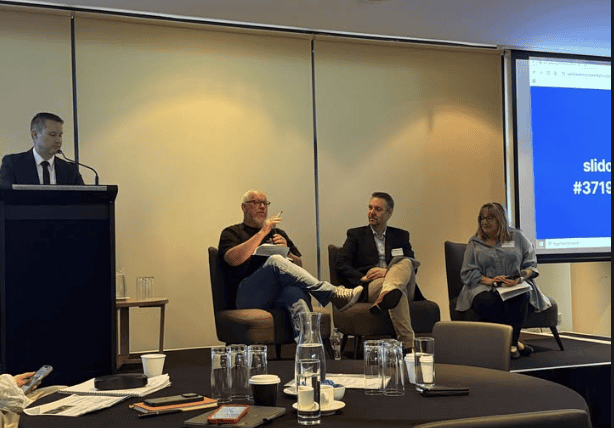
Earlier this week, I was a panellist at an occupational health and safety symposium organised by the Victorian Branch of the Australian Institute of Health and Safety. We were asked to be challenging and provocative in our perspectives on the evolution of OHS and OHS law in Victoria since the start of the century.
Category: conference
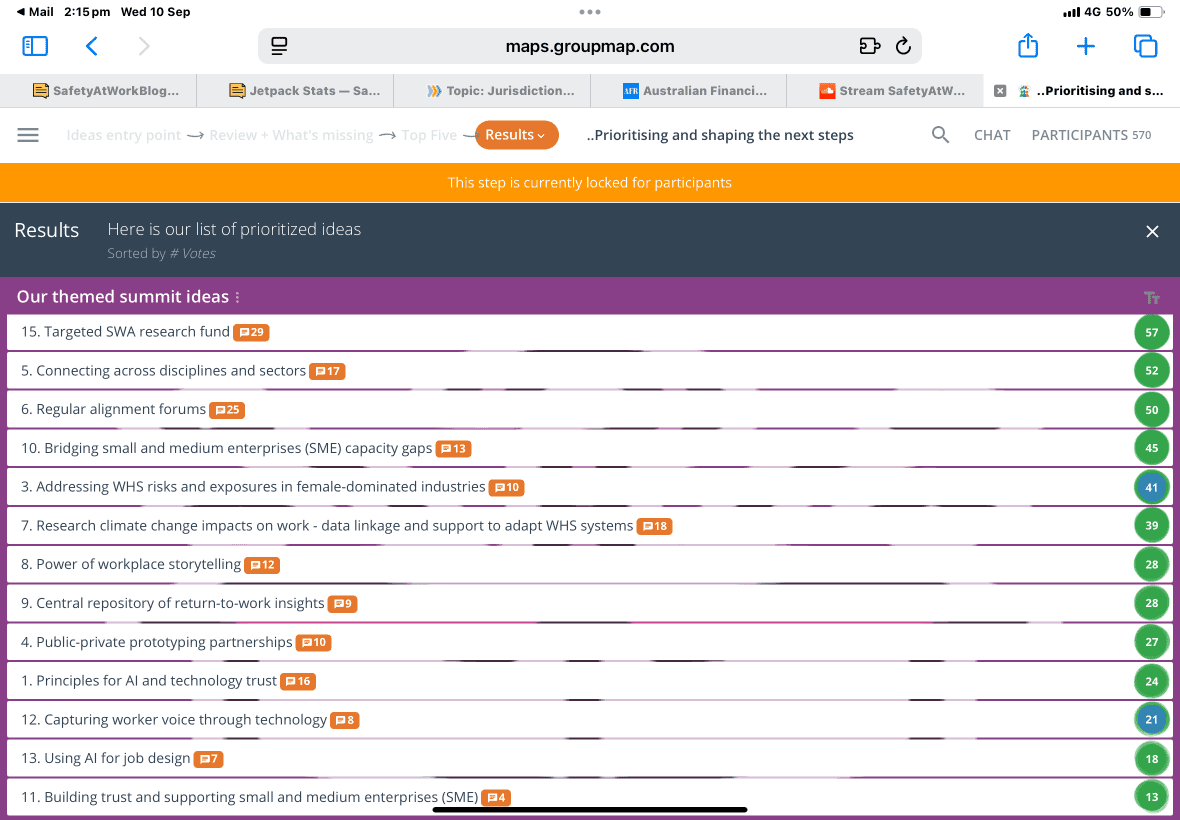
15 SWA Research Summit Ideas and a Translation
Although I have expressed concerns about the application of AI data analytics at the recent Safe Work Australia (SWA) Research Summit, I think it is important to list the 15 Leading Ideas that the analysis process identified from the summit. Some of these will seem like the bleeding obvious, but these outcomes will inform SWA’s research agenda and strategy.
The 38-Hour Week is not a Myth—It’s an Ignored Safeguard
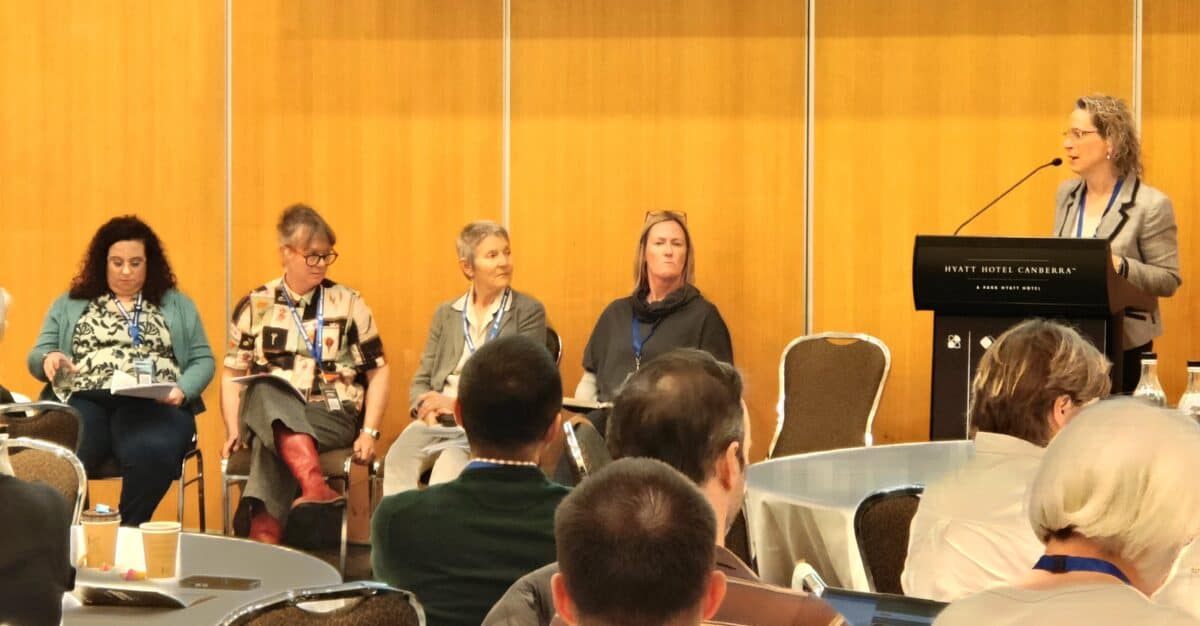
Safe Work Australia’s recent Research Summit conducted several workshops. Time allowed delegates to only attend two of the eight – a morning and an afternoon. The standout seminar I attended was for “Work as a determinant of our psychological health”.
Inside the Room Where Safety Happens
There are several ways to write about Safe Work Australia’s recent Research Summit. This is the first article and will discuss a couple of features of the summit and ask if the summit achieved its aims.
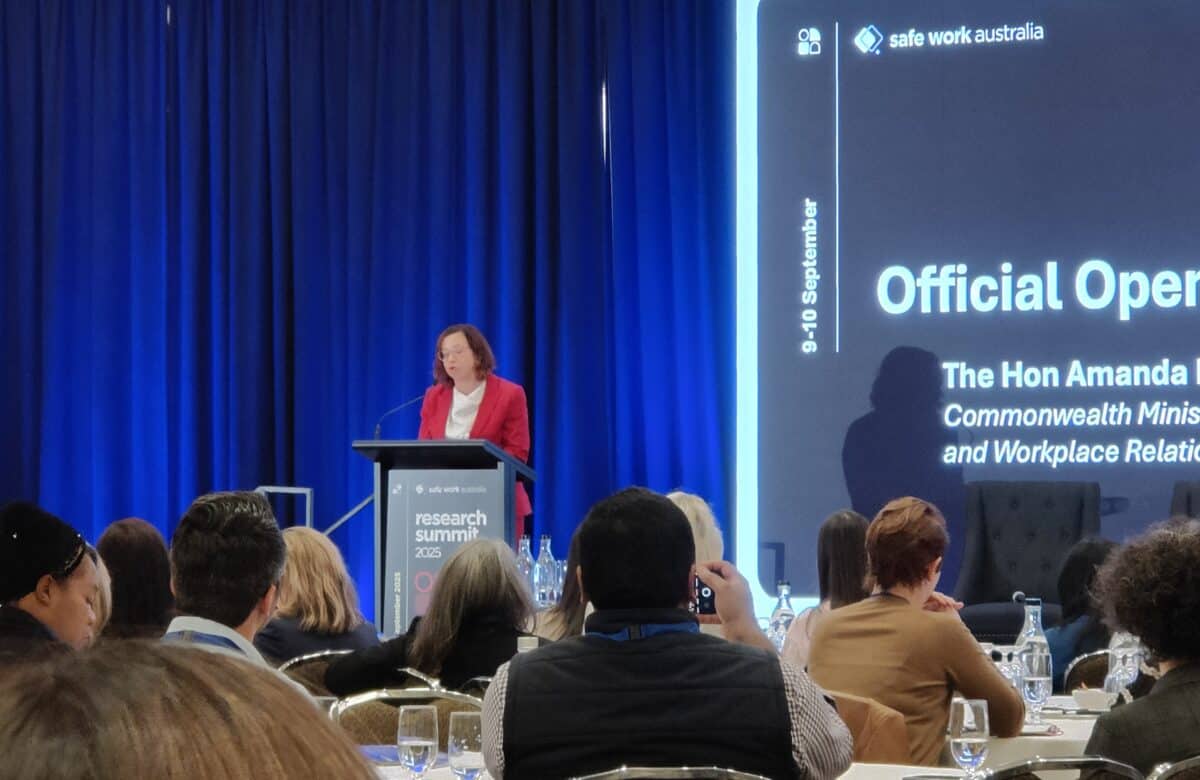
The Minister could have said so much more
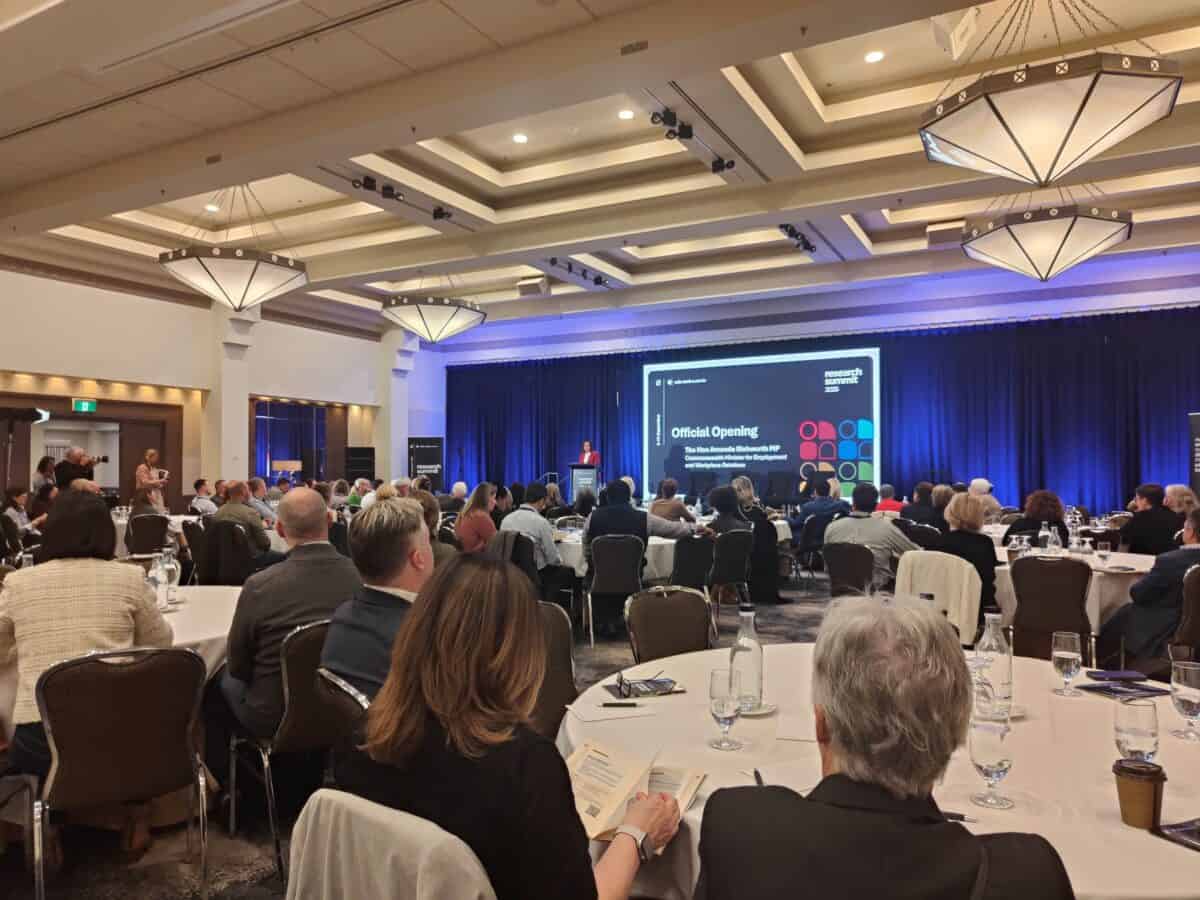
The best way to describe the Workplace Relations Minister’s speech to Safe Work Australia’s Research Summit on September 9, 2025, is “safe”. Others may say Amanda Rishworth was boring, but what was she expected to say?

Fix the Cake, Not Just the Icing
The Australian Psychological Services has provided some excellent advice on what to look out for when arranging speakers for October, which is both Mental Health Month and National Safe Work Month.
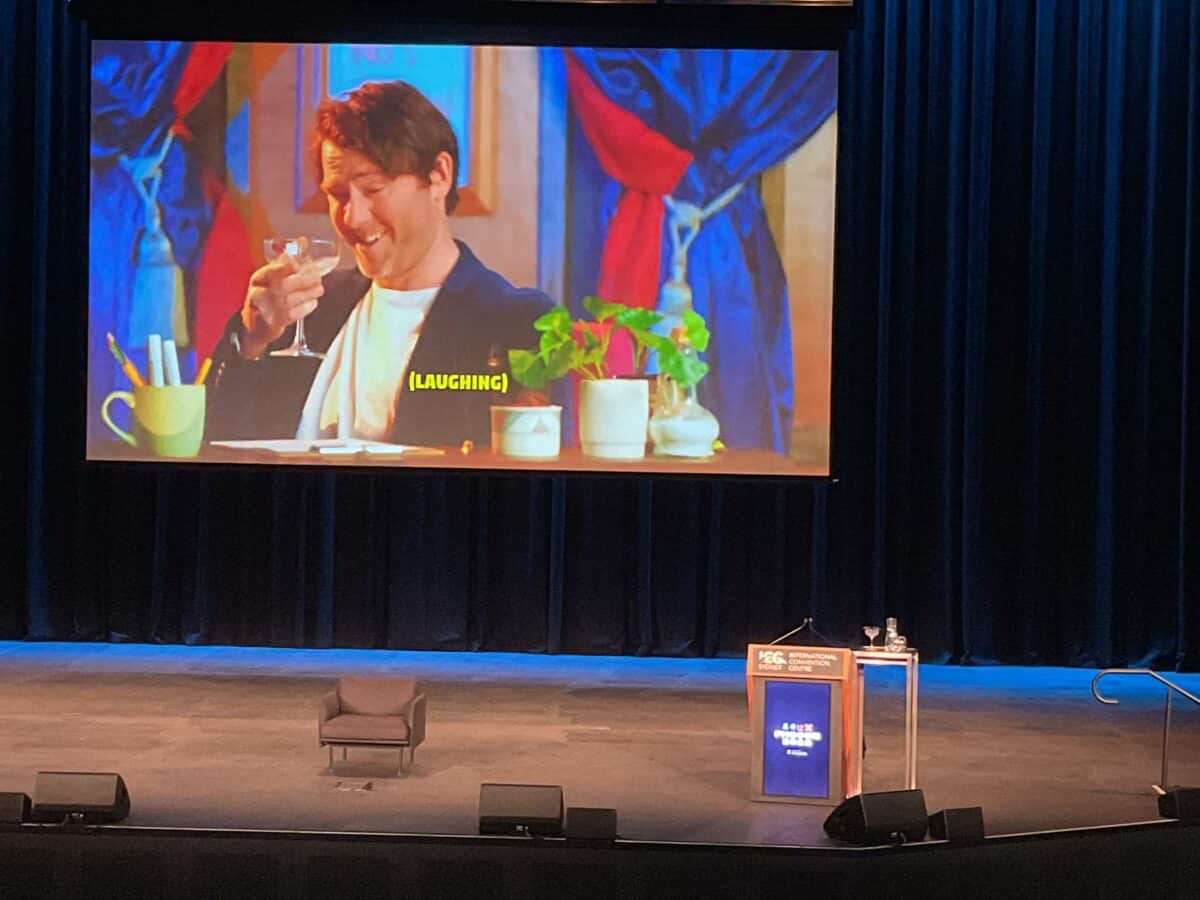
Psych Health and Safety Conference 2025: A Step Forward
The 2025 Psych Health and Safety (PHS) Conference, held in Sydney and hosted by FlourishDx, marked a significant evolution from its inaugural event. With over 200 delegates, a larger venue, enhanced facilities, and a more polished exhibition space, the conference built on its foundational success. Centred around four key themes—evidence-based practice, leading mentally healthy workplaces, inclusive work design, and international perspectives—the event delivered a robust platform for professionals from occupational health and safety (OHS) and human resources (HR) to converge on the critical topic of psychosocial health and safety.