
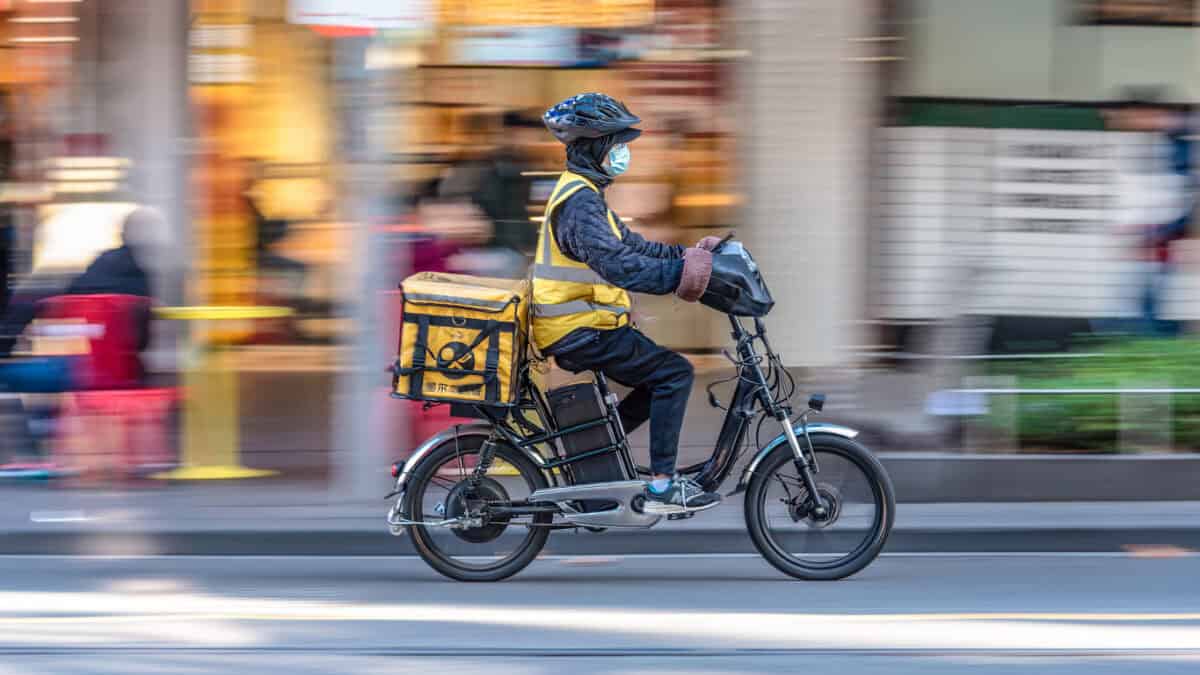
On October 21, 2025, the Australian Capital Territory’s Parliament debated (page P3249) expanding workers’ compensation to gig workers. Impediments to change were similar to those mentioned in various parliamentary inquires and debates ever since gig work developed into an industry sector and gig workers started to die at work. But the amendment passed so progress was made.
Category: consultation
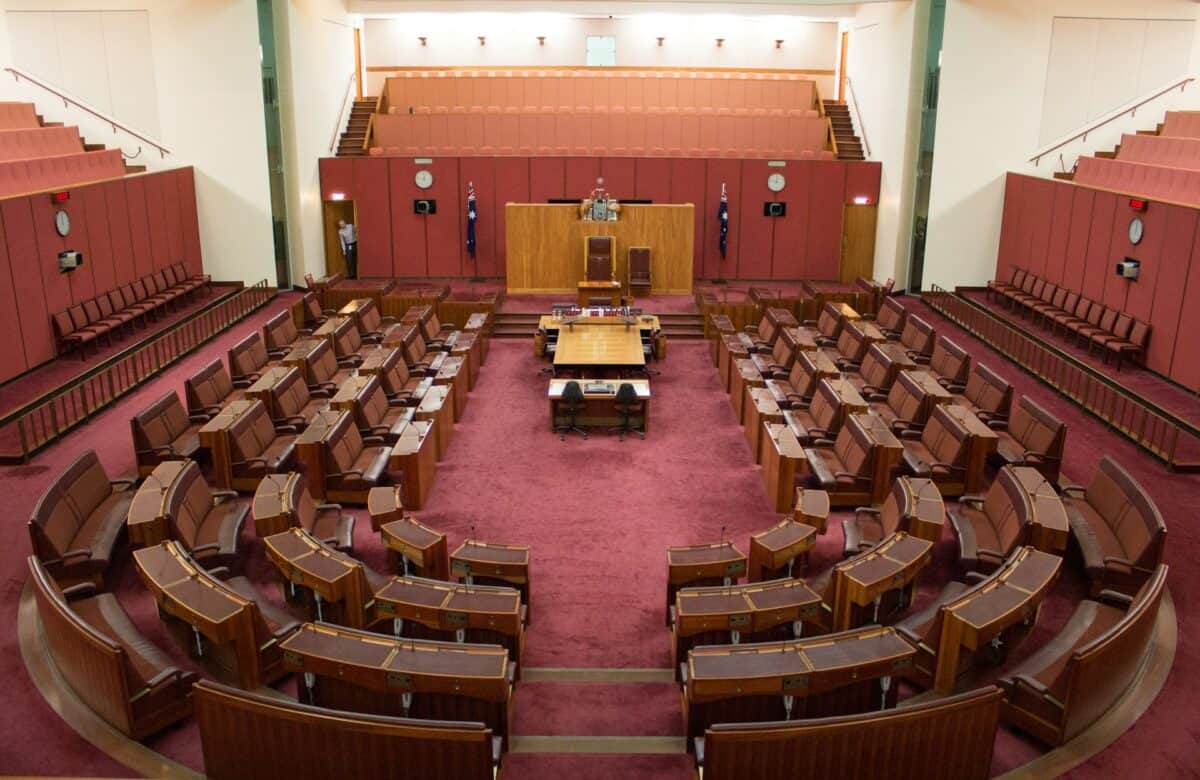
Lazy Senators Are Not Doing Their Job
Safe Work Australia’s (SWA) executives are obliged to attend meetings of Senate Estimates committees to answer questions from Senators about their portfolios. Sometimes these can be tense and robust. Sometimes these appear to be a waste of time.
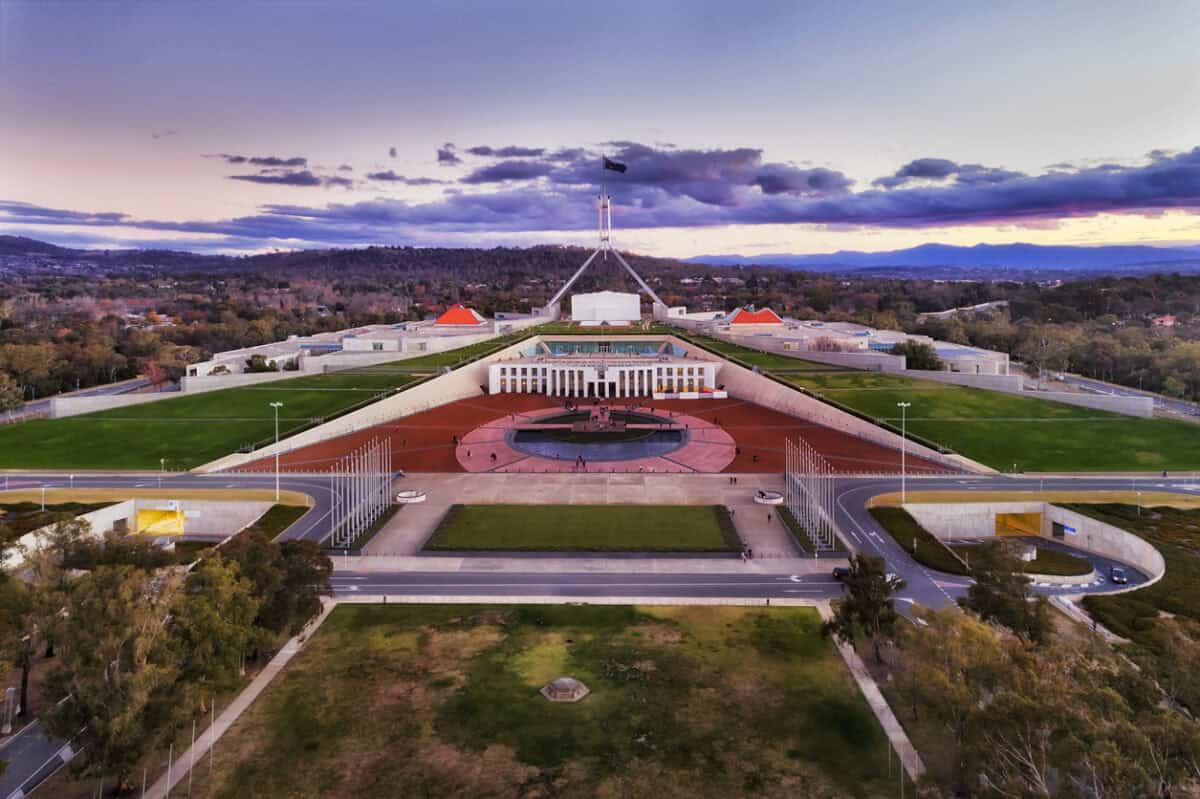
OHS and Politics
In support of Australia’s Safe Work Month, I have recorded a 12-minute opinion piece on how Australian politics since 2010 has affected the perception and development of occupational health and safety, based on past SafetyAtWorkBlog articles.
It is an interesting opportunity to reflect on the decisions and actions of influential individuals like Julia Gillard, Kristina Keneally, Jeff Lawrence, and David Gregory.
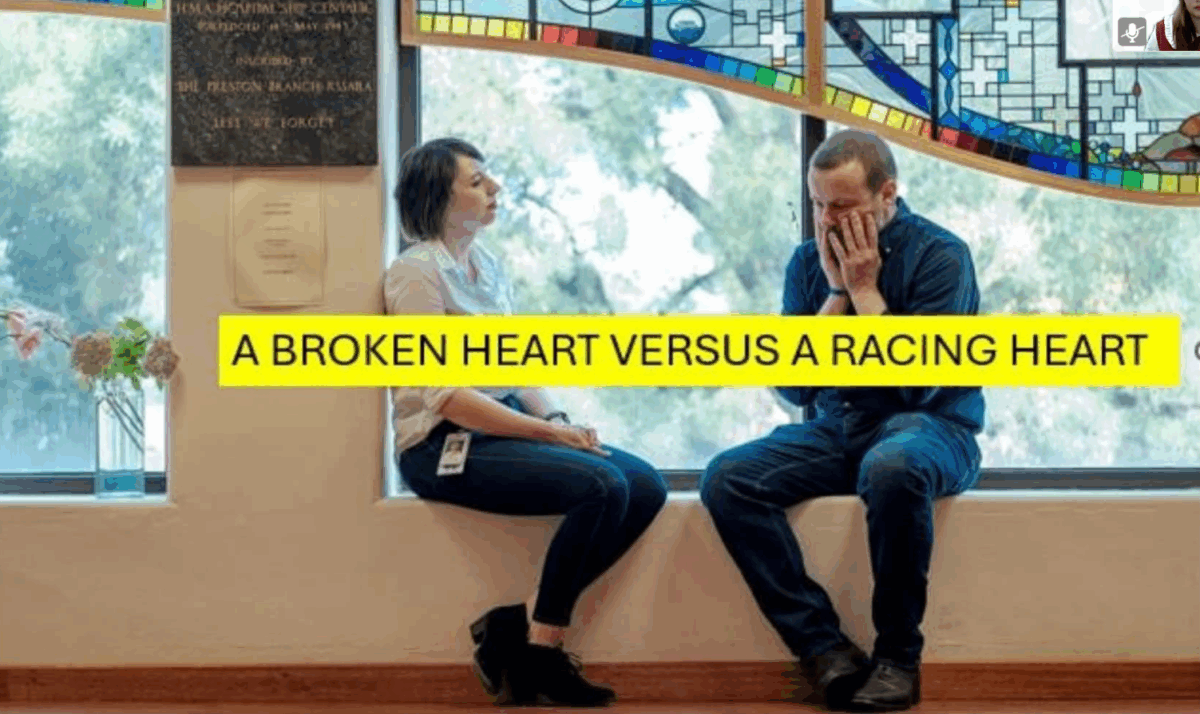
When Leadership Fails the Soul
Dean Yates is a prominent Australian speaker on the issue of moral injury. Yesterday, at a WorkSafe Tasmania seminar, Yates brought the 250 attendees up to date on the status of moral injury and its occupational context. Although this seminar was a Safe Work Month event, Yates’ information requires some thought to fit with the occupational health and safety (OHS) and psychological hazards contexts.

Culture is the New Compliance in Victoria’s Psychological Health Code
The most significant challenges for employers in Victoria’s new OHS (Psychological Health) Regulations, supported by a new Compliance Code, are likely to be fostering a strong workplace safety culture. Occupational health and safety (OHS) advocates have been emphasising the importance of culture for several decades now (Sociologists examined it decades before). It appears that we will be hearing a great deal more about culture for some time to come, but what is expected of employers?
Polishing What Exists: Making Sense of the New Psych Safety Code
Prominent occupational health and safety (OHS) lawyers Dale McQualter and Catherine Dunlop have just concluded the first of two online seminars about Victoria’s new psychological/psychosocial regulations and compliance code. Many employers will have a lot of work to do to comply, but the overall sense was one of reassurance.
Victoria’s Psychosocial Reforms will Test Employer Commitment to OHS
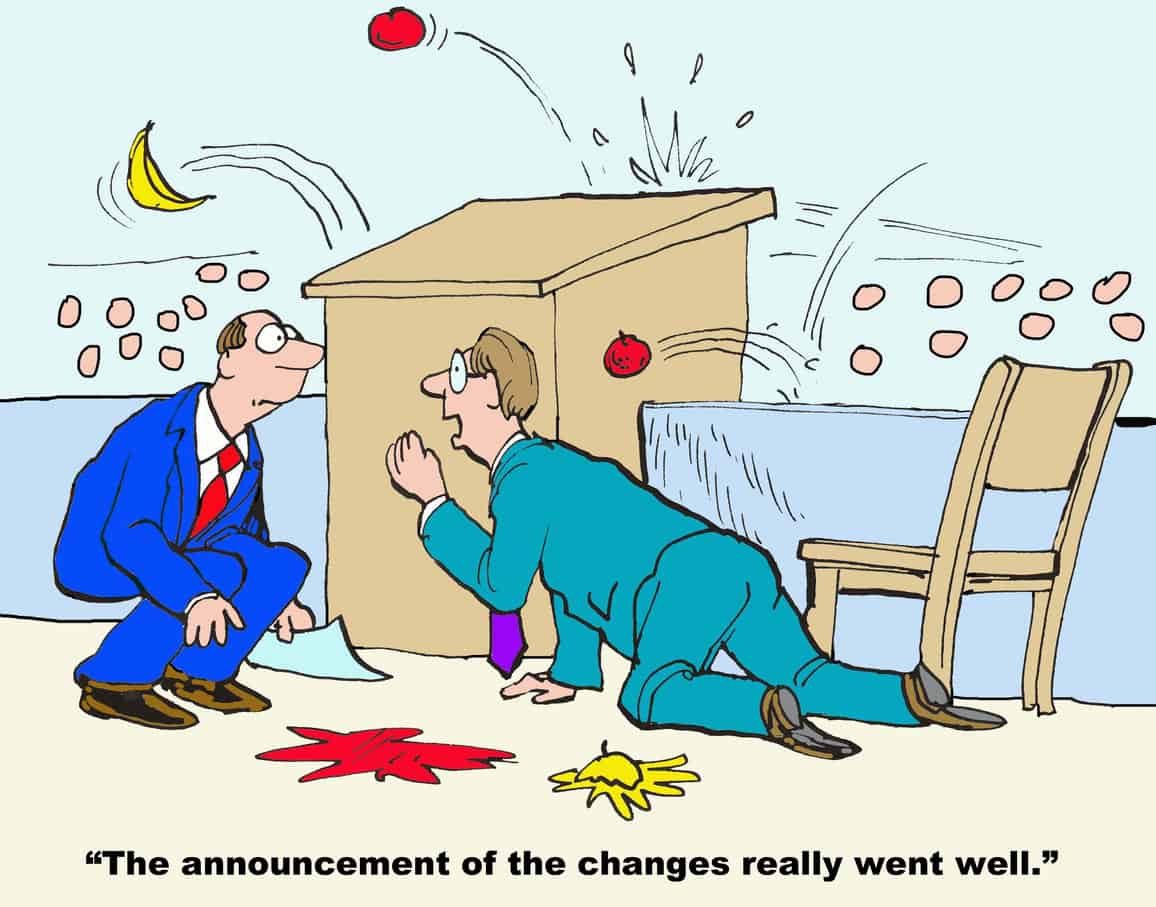
The Victorian Government plans to introduce legislation regarding psychosocial hazards, similar to that of all other Australian jurisdictions, by the end of 2025. But what workplace changes are expected when this new set of occupational health and safety regulations is enacted? Other States’ laws may provide clues.