
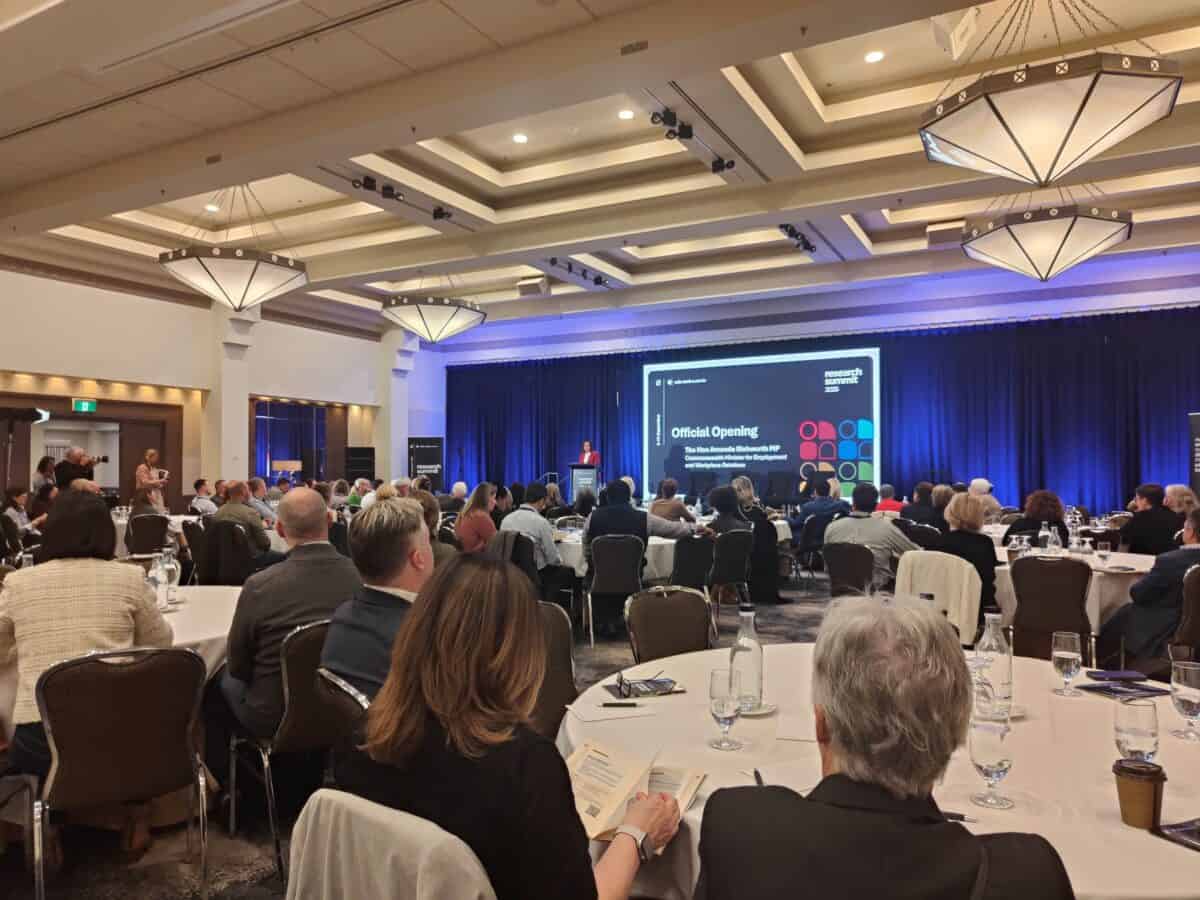
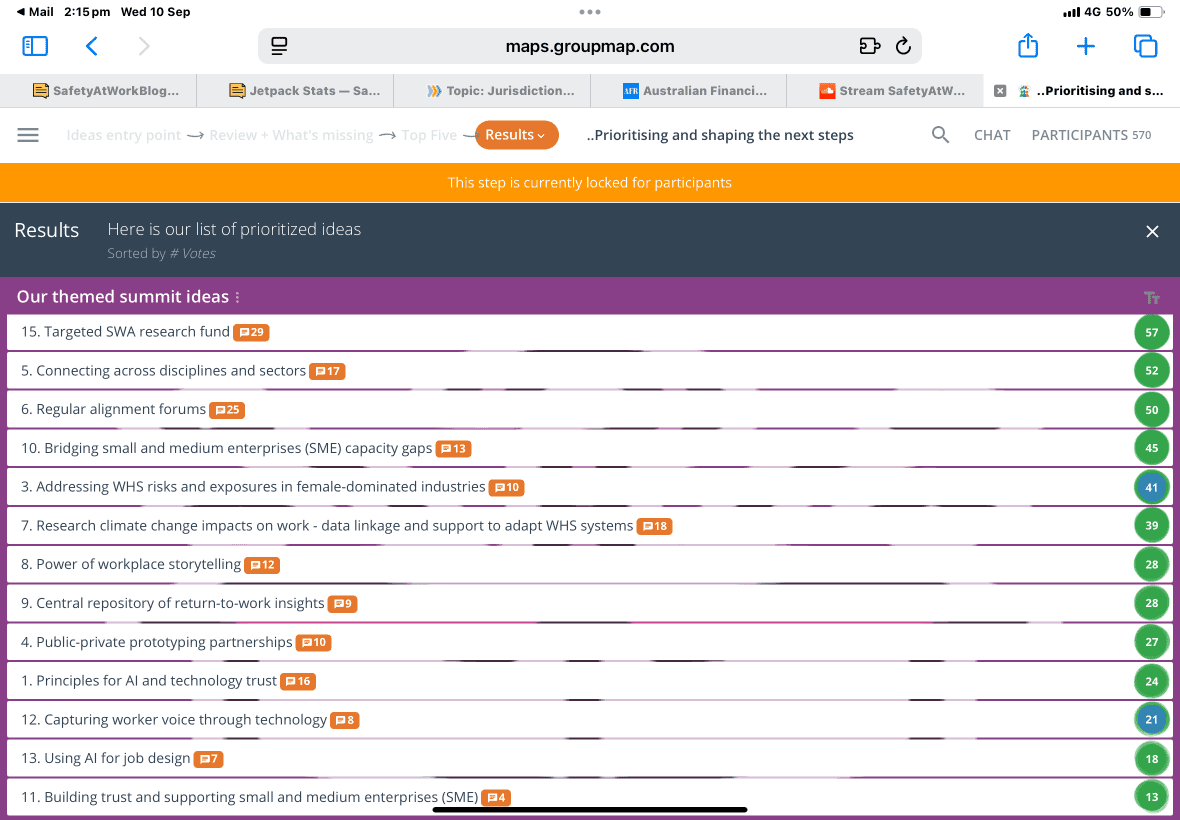
Although I have expressed concerns about the application of AI data analytics at the recent Safe Work Australia (SWA) Research Summit, I think it is important to list the 15 Leading Ideas that the analysis process identified from the summit. Some of these will seem like the bleeding obvious, but these outcomes will inform SWA’s research agenda and strategy.
Category: consultation
Inside the Room Where Safety Happens
There are several ways to write about Safe Work Australia’s recent Research Summit. This is the first article and will discuss a couple of features of the summit and ask if the summit achieved its aims.
Balancing Acts That Miss the Point
One of the aims of Australia’s Model Work Health and Safety Act is to
“… provide a balanced and nationally consistent framework to secure the health and safety of workers and workplaces.” (page 5, Best Practice Review of the model Work Health and Safety laws – Discussion Paper, September 2025)
There are several ways to interpret “balance” – an equilibrium/harmony or the process for weighing interest, a noun or a verb. I am not sure that ‘balance’ or ‘balanced’ are suitable terms in a document that should provide clear guidance on occupational health and safety (OHS) matters. It may be an example of how an inexactitude can lead to over-complexity and OHS’s reputation for business bullshit.
More OHS voices needed
A new discussion paper from Safe Work Australia (SWA) is interesting in a curious way. Its purpose is confusing, and its final report will not be presented until mid-2026. SWA offers no definition of “best practice” but suggests that consideration should start from the objective of the Model Work Health and Safety Act:
“….to ensure the model WHS laws continue to provide a balanced and nationally consistent framework to secure the health and safety of workers and workplaces.”

Fix the Cake, Not Just the Icing
The Australian Psychological Services has provided some excellent advice on what to look out for when arranging speakers for October, which is both Mental Health Month and National Safe Work Month.
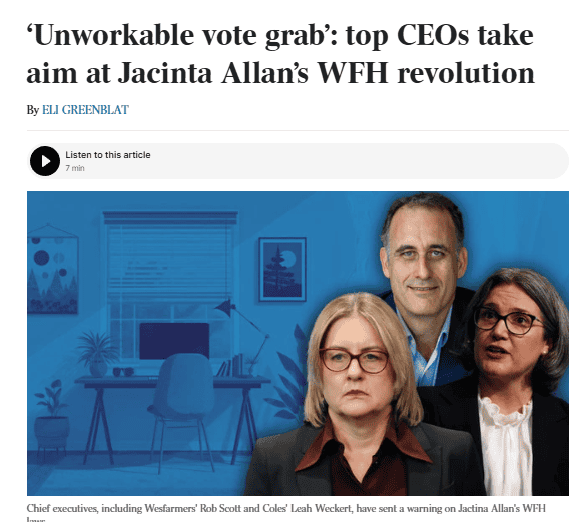
Why are the bosses’ knickers in a twist over work-from-home?
Two major Australian media outlets are continuing to focus on the issue of working from home (WFH), criticising the concept and some local political moves. WFH offers some significant mental health benefits that are being largely ignored. The front page of The Australian newspaper for September 1, 2025, provides the latest example.

When Safety is Misunderstood
Discussion about workplace psychosocial hazards seems to be everywhere. This is a good thing, as everyone needs a better understanding of the risks workers face and what prevention mechanisms are expected from employers and business owners. But that discussion needs to be measured and accurate. A recent article written about this issue for accountants is slightly inaccurate about occupational health and safety (OHS).