

Occupational health and safety (OHS) is rarely reported on in the mainstream newspapers but every week OHS is there, adding a contect to a scandal or subtext to a public health risk. Last weekend was no different. The Guardian of September 16, 2023 reported on a review of personal relationships by BP, a prison escape, deaths from air pollution, a more relaxed approach to work, shoplifting and customer aggression, and more.
Category: culture
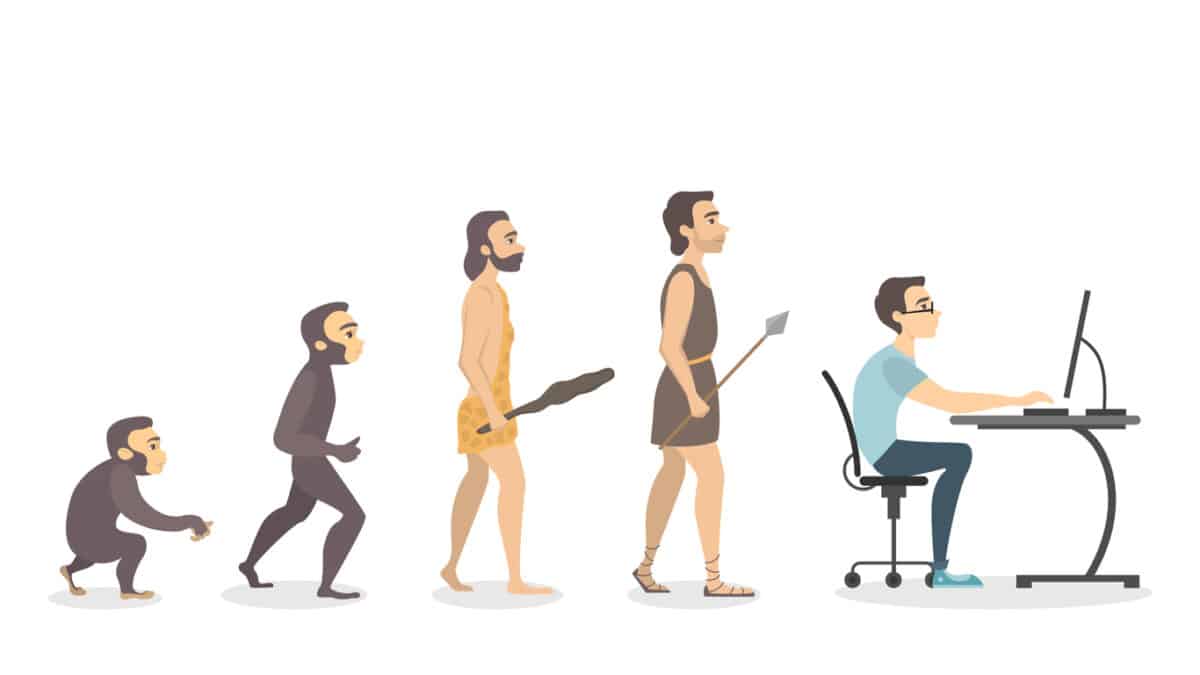
You pay peanuts, you get monkeys
A recent Crikey article quotes a Qantas pilot saying “you pay peanuts, you get monkeys”. Australian businesses are gfighting asgainst wage increases, so they must want to employ “monkeys”.
Australia is engaging in its ritual industrial relations (IR) arguments about productivity, pay and conditions. Business concerns are that the IR changes will increase business costs beyond the point of sustainability (ie. Profitability), as always. Trade unions want improved worker pay and conditions.
Global Occupational Health and Safety Handbook – A Critical Review
OK, let me own up. In 1999, I wrote Working for Life A Source Book on Occupational Health for Women. Earlier, I was posted to Indonesia to head up a program on occupational health and safety with the International Labour Organisation (ILO). I was supposed to improve the skills of labour inspectors, using specific training devised by other highly paid experts with the ILO.
What wasn’t included was how to cover corruption and studied ineptitude. Factory inspections inevitably concluded with the uniformed inspectors carting goods ‘donated’ back home.
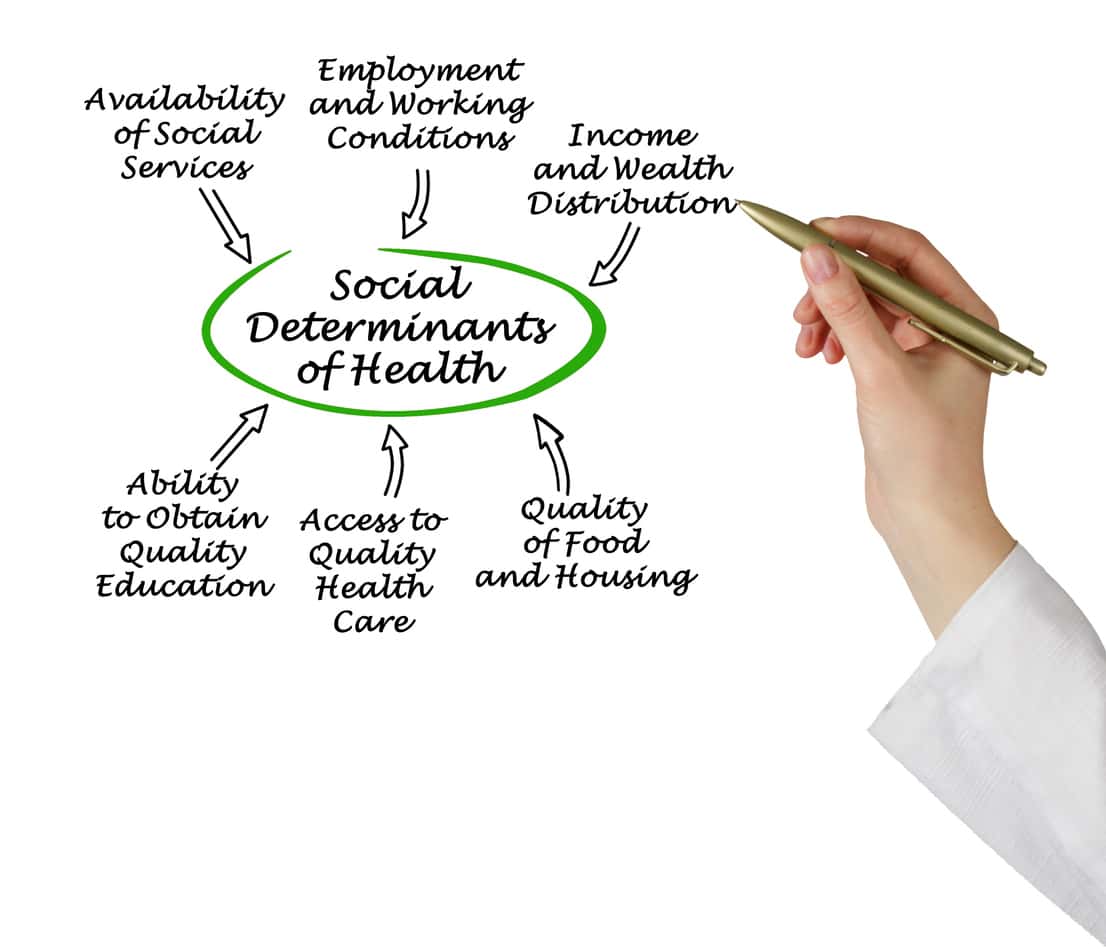
Why is profit put before safety?
Occupational health and safety (OHS) is a remarkably insular profession. It tends to narrow its focus on legislative compliance even though Social Determinants of Health is a core unit of tertiary OHS education. OHS professionals are also notably weak in understanding the business realities that their employers and customers face. This inability to understand the economic realities is a common criticism of OHS, not reflecting “common sense” and being naïve.
To understand OHS’ limitations and potential, it is necessary to have a basic knowledge of the economic and political ideologies under which clients and employers work. “The Big Myth – How American Business Taught Us to Loathe Government and Love the Free Market”, by Naomi Oreskes and Erik M Conway, contributes to that understanding.

There’s more to the Right to Disconnect than just ignoring the boss
The Australian Labor Party (ALP) conference has endorsed the concept of the right-to-disconnect, according to an article in The Australian. Sadly, the reporting on the change has a dismissive tone on what is an attempt to address the increasing costs of mental health at work. Readily accessible and recent survey data on the right-to-disconnect could have been used for a fuller analysis.
Journalist Ewin Hannan wrote:

Duty of Care and Love in OHS
Occupational health and safety (OHS) has long been stripped of emotion through an emphasis on evidence, finances, compliance, objectivity, rationality, auditing and key performance indicators. The tide is turning slightly with increased attention on mental health, respect, psychosocial factors, and regaining a professional humanity. This OHS approach remains on the fringes of OHS as the dominance of profit from decades of neoliberal economics and politics continues.
But perhaps what the OHS profession needs is to connect with Love.
Business lobbyist misses the point
Recently the Australian Industry Group Chief Executive, Innes Willox, addressed the National Press Club in Canberra. The AIGroup is one of the “go to” business groups, along with the Business Council of Australia and mining industry groups, that the business media knows will comment on anything when asked, and frequently when not asked. Willox’s August presentation was on Industrial Relations, but it also illustrates the workplace and political culture in which occupational health and safety (OHS) must operate.