Out of Range – Work Risks of Wildlife Protection Officers

by Melody Kemp

 It was nine at night and the shooters had the advantage of superior fire power and night vision goggles …. We stood no chance. Two friends were killed…”

Source: Project Anoulak

David Paklett, a Wildlife Ranger working in Tanzania pulled up his trouser leg and showed me an ugly red scar that looked a bit like an alien pasted to his skin. It was 2013. We were in Spain’s ancient university town of Salamanca, at WILD 10, a sporadic gathering of wilderness and conservation specialists.  He told me how the year before, he and his colleagues had been in a John Woo style shoot out with Vietnamese poachers. The Vietnamese were overhead in a helicopter, firing at them with automatic rifles. ‘It was nine at night and the shooters had the advantage of superior fire power and night vision goggles.’

His words have stayed with me.

‘We stood no chance. Two friends were killed, and I got this.’ When I looked up, his eyes had the look of someone who was looking back with horror. ‘Did you ever talk about that night with anyone?’ I asked sipping a Rioja red. ‘Who is there to tell?’ David grimaced. ‘It’s part of the job. The game has changed. The Chinese are arming these guys and making sure they get away with the kill. The forces behind them are so powerful and we have no resources.’

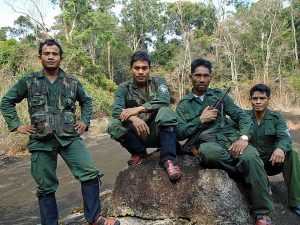
Lao Rangers in the Annamite mountain range report the same fear according to Bill Robichaud. ‘Camera traps showed these guys (poachers) to have the latest technology, to be well dressed and armed, with modern communication and GPS gear.’ Continue reading “Out of Range – Work Risks of Wildlife Protection Officers”

OHS is not all about workers compensation data

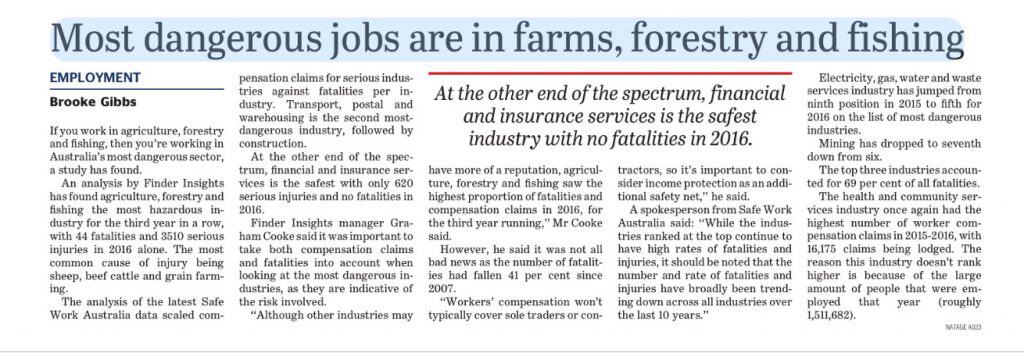
Every couple of months, after the release of official workplace fatality figures and serious injury, the Australian media reports the three most dangerous industries as Agriculture, Fishing and Forestry.  The latest article appeared in Australia’s Fairfax Media on 17 January 2018.  It is good that occupational health and safety (OHS) is gaining attention.  When so little media attention is given, any publicity is useful.

However this type of article also presents some negatives, including that it may be only representing 60% of all workplace fatalities and serious injuries.

Subscribe to SafetyAtWorkBlog to continue reading.
Subscribe Help
Already a member? Log in here

Suicide and OHS media campaigns should achieve tangible outcomes

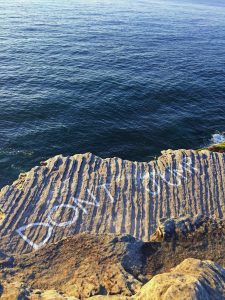
Don’t jump rock cliff at Sydney, Australia

The benefits of advertising are notoriously difficult to quantify unless there is a specific product being promoted.  Advertising about occupational health and safety (OHS) is usually measured in the level of awareness of the viewers with questions such as

  • Are you aware of WorkSafe?
  • What does WorkSafe do?
  • When we mention WorkSafe to you, what do you think of?

But as with wellbeing initiatives, awareness does not always, some would say rarely, generate action; and action that affects real change.

Recently several Australian researchers looked at some of the existing studies around media campaigns on the prevention of

Subscribe to SafetyAtWorkBlog to continue reading.
Subscribe Help
Already a member? Log in here

Rail-related suicides discussed at ergonomics conference

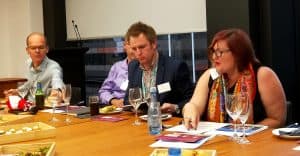
Rail-related suicides are tragedies that ripple throughout society affecting families of the suicides as well as the train drivers, their families and their colleagues. Various strategies are being trialled but often the results of interventions are hard to quantify.  At the annual conference of the
Subscribe to SafetyAtWorkBlog to continue reading.
Subscribe Help
Already a member? Log in here

2017 Year in Review creates anxiety and calls for action

Last week in Sydney and Melbourne law firm Clyde & Co conducted seminars reviewing 2017 through the workplace health and safety perspective.  Alena Titterton (pictured right) hosted the Melbourne event which did not follow the proposed topics, but it was friendly and informative, and covered a lot of ground.

This article focuses on the statistics presented in the Year in Review document and some commentary from Titterton.

(An exclusive conversation with Titterton is to be in the next episode of Safety At Work Talks podcast)

Subscribe to SafetyAtWorkBlog to continue reading.
Subscribe Help
Already a member? Log in here

ACCC releases Issues Paper to start public quad bike safety consultation

The Australian Competition & Consumer Commission (ACCC) has released an issues paper on quad bike safety with a deadline for public submissions of mid-December 2017.  An ACCC spokesperson has advised that submissions will be made available to the public through the website unless privacy and confidentiality is requested. A draft recommendation is scheduled for early 2018 with a final recommendation in mid-2018.

Issues papers serve two purposes – the provision of information and questions of particular importance.  This article will look at some of those questions.

Subscribe to SafetyAtWorkBlog to continue reading.
Subscribe Help
Already a member? Log in here

Acts of God, the morality of safety – interview with Sidney Dekker

The latest episode of Safety At Work Talks is a return to the sequence of interviews with Professor Sidney Dekker.  In April 2017, Dekker published a book called The End of Heaven which discusses suffering.  This book has a very different tone from his previous books and is intriguing.

The breadth of the discussion was also surprising with concepts and references rarely talked about in relation to occupational health and safety, such as morality, Acts of God, train disasters and the Bible.  If this sounds heavy, it is useful to follow the discussion that leads to this statement from Dekker:

“Safety Culture is the new Human Error”.

This latest episode is available at

Soundcloud: https://soundcloud.com/safetyatworkblog/safety-at-works-talks-episode-03 

Podbean: https://safetyoz.podbean.com/

Kevin Jones

Concatenate Web Development
© Designed and developed by Concatenate Aust Pty Ltd