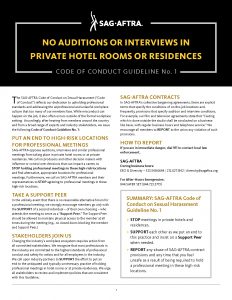
 The primary occupational health and safety (OHS) duty rests with employers or, as they are known in most Australian jurisdictions, Persons Conducting a Business or Undertaking (PCBU). Laws are based on an assumption that employers are aware of this duty and that this duty, to provide a safe and healthy work environment without risks to health, reflects the employer’s social position and social responsibility or the company’s “social licence“. But there have always been employers who do not care and who see employees only as units of labour and who believe that “if you don’t like working here, there’s the door”. It is time for a reboot.
Many Western countries are beginning to review their OHS laws in light of the changing nature of work but these reviews continue to be based on the assumption that employers care even though the emergence of the gig economy and the new
 Excessive workplace stress in the medical profession is well documented but stress is often seen as a minor workplace hazard that is fairly easily dealt with by holidays, for instance, or is dismissed as an “occupational hazard” or part of the entry to the profession or just part of the culture, with the implication that nothing can change. Only recently have
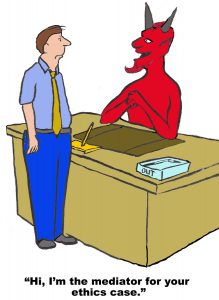 Australia’s occupational health and safety (OHS) profession was late to the process of certifying its members. The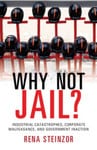
 I was born outside Liverpool England well over 50 years ago and have lived on the other side of the world ever since. I love hearing accents from Northern England as it reminds me of my relatives, my roots and, most of all, my Mother. This meant that I had to watch