
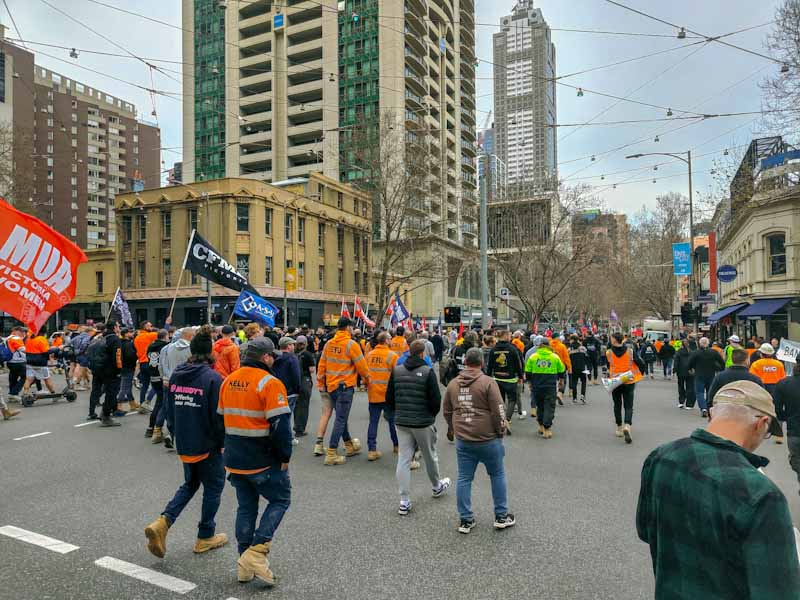
Australian media and politicians have been frothing over revelations and allegations of criminal and bikie gang influence in the country’s largest construction industry trade union, the CFMEU (Construction Forestry Mining and Energy Union). The coverage has been almost entirely concerned with industrial relations, but occupational health and safety (OHS) is present in any trade union scandal, though usually on the fringes. OHS appeared in several areas of the controversy in late August 2024.
Category: employers

Kevin’s “Law of Common Sense” and the Right To Disconnect
This week, the “Right-to-Disconnect” became law in Australia. According to a prominent business newspaper, the Australian Financial Review (AFR), this is the latest example of the risk of the sky falling. It is not. Instead, the right-to-disconnect is a rebalancing of the exploitation of workers’ psychological health and that of their families. But you wouldn’t know this from the mainstream media coverage. There is no mention of mental health in the printed AFR article.
The two approaches to psychosocial hazards
There are two common approaches to addressing and preventing psychosocial hazards at work. One is to consider these hazards as originating within and affecting only workers and work processes. This looks at the hazards generated by work that affect work and downplays or dismisses factors from outside work. The other is to acknowledge that work is part of life, that socioeconomic factors affect workers’ mental health, and that job stresses similarly affect workers’ social lives. In both instances, the use of “worker” includes all levels of a management structure. Both approaches need evaluation for effectiveness.
“don’t trick people” – Greenwashing and Safewashing
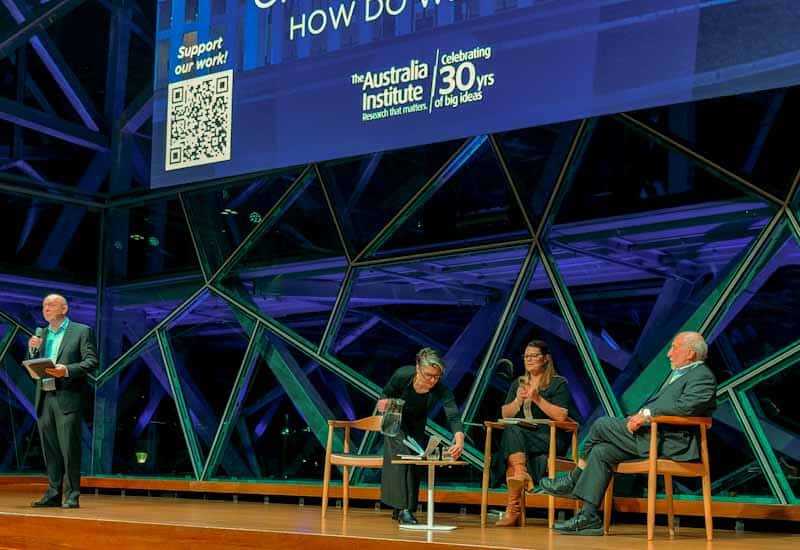
Nobel-prize winner Joseph Stiglitz does not write about occupational health and safety (OHS). However, he does write about the sociopolitical and economic context in which businesses operate and from which worker health and safety decisions are made. In August 2024, Stiglitz is touring Australia. On August 7, 2024, he addressed a packed auditorium in Melbourne.
The topic was Greenwashing. He shared the stage with Senator Sarah Hanson-Young and Polly Hemming. The event, and I think the tour, was sponsored by The Australia Institute. Why was an OHS professional at a greenwashing lecture? The tools, techniques, and preventions of greenwashing are often echoed in OHS.

Addressing Psychosocial Hazards at Work: New Incident Notification Reforms
On the afternoon of Friday, August 1, 2024, Safe Work Australia (SWA) announced important changes to the incident notification obligations in Australia’s Model Work Health and Safety laws. These changes are particularly relevant to the issues of psychological harm in workplaces and work-related suicides. I asked SWA for some clarifications on the changes and the promised guidance.
Below are the questions that I submitted to Safe Work Australia and CEO Marie Boland‘s responses.
Warning: this article discusses suicide
A broad perspective on Work, OHS and Mental Health
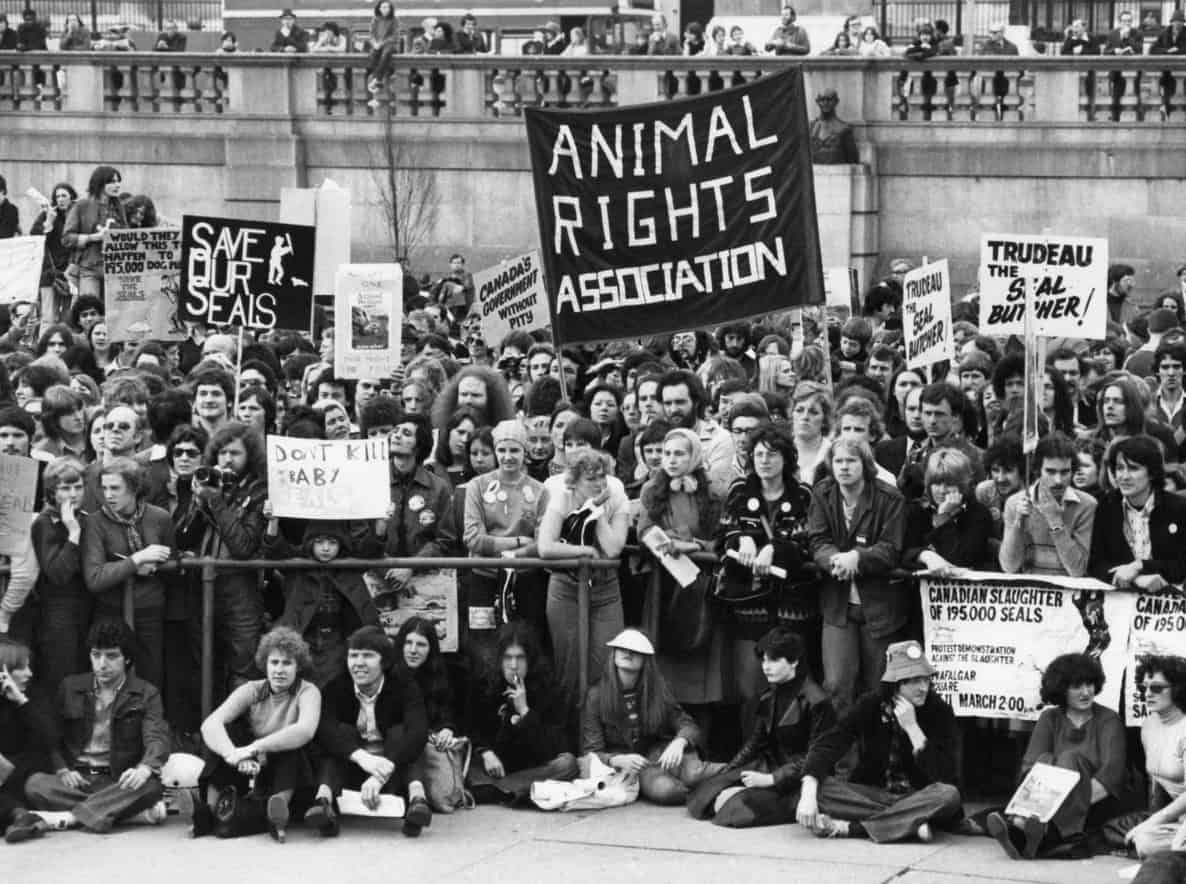
A whole generation of workers has grown up believing that if they are having a hard time at work, if they are not coping with the workload or the sexual advances of their boss, or their difficult workplace, or the discrimination they feel about their gender or their sexuality, that it’s their fault, and it’s their problem, and therefore, it’s their role to solve and fix it. But there were generations before the current one, and I’m from one of those earlier generations. When I started work, there was good work and safe jobs, and there were social movements for women’s rights, and then gay rights and dignity at work, and respect at work. It was far from a paradise, but there was exciting progress and lively, challenging debates and social protests. A little of that passion has returned this decade, but more is needed.
Slow progress on mental health at work
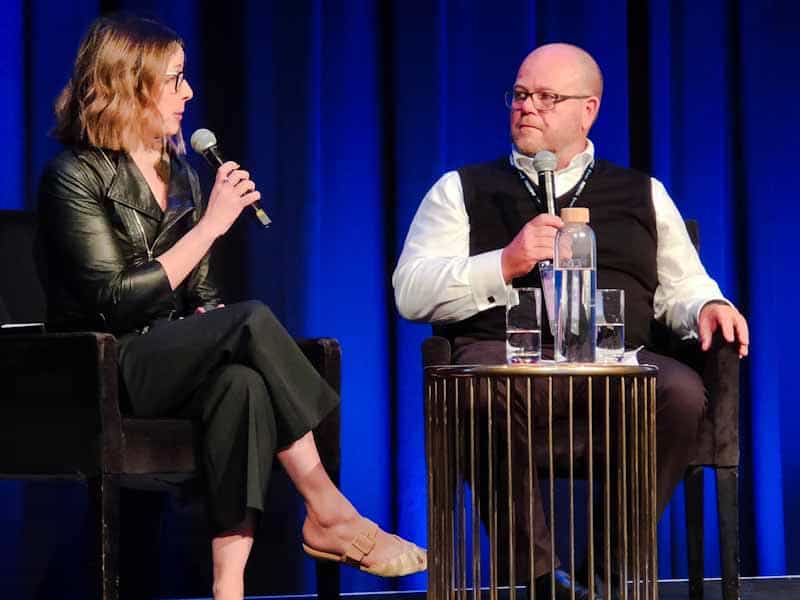
Delegates at the recent Psych Health and Safety Conference were desperate for case studies on how psychosocial hazards are being prevented in Australian workplaces. Instead, they were largely presented with examples of how to manage psychosocial hazards, and many of those strategies were unsurprising – policies, training, counselling, leadership buy-in – and were familiar to those who have been applying well-being programs in their workplaces for years. Several speakers called these strategies bullshit. The most vocal of these speakers was David Burroughs, who was at the conference in a personal capacity.