At the recent Scientific Meeting of the Australia and New Zealand Society of Occupational Medicine (ANZSOM), Allison Milner stepped in for an ill Tony La Montagne and added value to his intended presentation on workplace mental health. This meeting is different from other conferences in one particular way, in relies on evidence and not marketing for its presentations. This difference made Milner’s presentation very powerful.
Milner set the scene with a broad picture of mental health:
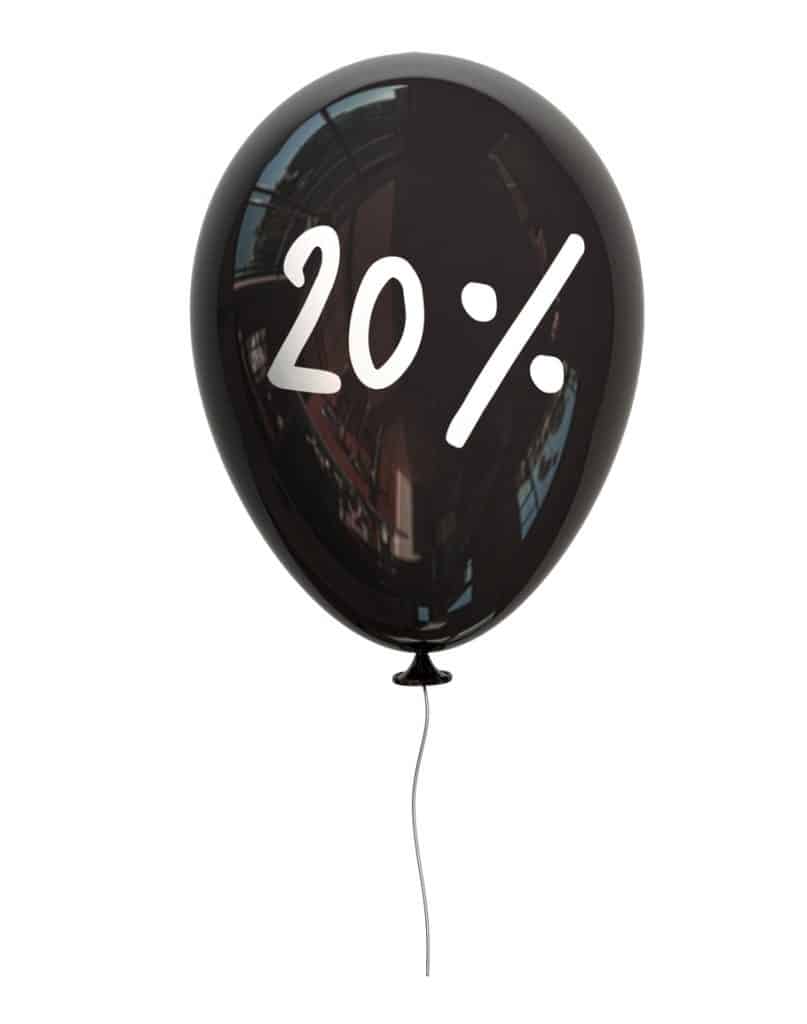
“1 in 5 Australians have a mental illness, which equivalates to about 1.5 million. And over 3000 people lose their life to suicide every year, and the vast majority of these people being men. But suicide affects far more people than those people who attempt or sadly lose their life. It affects their work colleagues, it affects people in our community and it affects our family.”
Continue reading “The importance of evidence in addressing workplace mental health issues”


Rumours of a TV report on the increasing hazards of silicosis have floated around for a week or so. On October 10 2018, the show appeared on the Australian Broadcasting Corporation’s
Occupational health and safety (OHS) related decisions are made on the state of knowledge about hazards and it is up to OHS people to make sure the state of knowledge is at its best so that the best decisions can be made. But what do you do if the state of knowledge on a hazard seems to be made purposely uncertain and that uncertainty is leading to the status quo, which also happens to provide a huge income for the owner of the product creating the hazard.