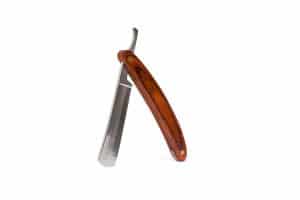
WorkSafeNZ’s investigation into cut throats identifies important safety lessons

Following a recent article about Enforceable Undertakings, several readers have asked for more information about the occupational health and safety (OHS) breaches that cause WorkSafe New Zealand to commence prosecution actions.

The investigation report provides some useful discussion on safety management failures and Board of Trustee obligations.

Subscribe to SafetyAtWorkBlog to continue reading.
Subscribe Help
Already a member? Log in here

Will we ever get to see Victoria’s latest OHS review?

The Victorian (Labor) Government promised a review of WorkSafe Victoria’s enforcement policies in its 2014 campaign pledges as per the quote below.  The independent occupational health and safety (OHS) review was conducted in 2016 with a lot of public submissions.  The review’s final report was presented to the Victorian Minister for Finance, Robin Scott in December 2016.  Everything has been quiet since. Continue reading “Will we ever get to see Victoria’s latest OHS review?”

A new media strategy is required to support the aims of enforceable undertakings

Enforceable Undertakings (EU) are a relatively new phenomenon in the occupational health and safety (OHS) world.  They are, fundamentally, a legal process that allows organisations to avoid a prosecution for breaching OHS laws.  The issue has garnered some attention recently due to application of an EU to a New Zealand school after two student actors received cuts to their throats, one on the opening night of a school production of Sweeney Todd.  The Enforceable Undertaking will result in big safety changes at St Kentigern School but there are several assumptions that weaken the impact of an EU.

Subscribe to SafetyAtWorkBlog to continue reading.
Subscribe Help
Already a member? Log in here

Grenfell Tower and other incidents illustrate major deficiencies in OHS perceptions

A recent investigative report into workplace safety at Los Alamos laboratory in the United States included this statement:

“The Center’s probe revealed worker safety risks, previously unpublicized accidents, and dangerously lax management practices at other nuclear weapons-related facilities. The investigation further found that penalties for these practices were relatively light, and that many of the firms that run these facilities were awarded tens of millions of dollars in profits in the same years that major safety lapses occurred. Some were awarded new contracts despite repeated, avoidable accidents, including some that exposed workers to radiation.”

The whole article deserves reading but this paragraph in particular illustrates that deficiencies in procurement apply to large organisations in high risk sectors just as much as it can in the small to medium-sized business sector.  A major reason is that detailed and diligent procurement has been seen as red tape and it seems to have taken disasters like Grenfell Tower to illustrate the moral deficiencies and short-term economic fantasies of

Subscribe to SafetyAtWorkBlog to continue reading.
Subscribe Help
Already a member? Log in here

Road safety needs a systems approach to investigations

A company vehicle is a workplace.  This is not a radical statement, or shouldn’t be.  A worker driving the company vehicle is at work, transporting themselves or some goods somewhere as part of the work process. Yet most traffic accidents in Australia are not assessed to determine whether they are work-related and action is rarely taken by the occupational health and safety (OHS) regulators who seem comfortable with their secondary information gathering role in traffic accidents.

With the failure of the trade union movement’s efforts to maintain the existence of the Road Safety Remuneration Tribunal, others are stepping up pressure on Australia’s government to address some traffic accidents as work-related. And there is some important local independent research that seems to support this push.

Subscribe to SafetyAtWorkBlog to continue reading.
Subscribe Help
Already a member? Log in here

Insurer-led rehabilitation case management does not work

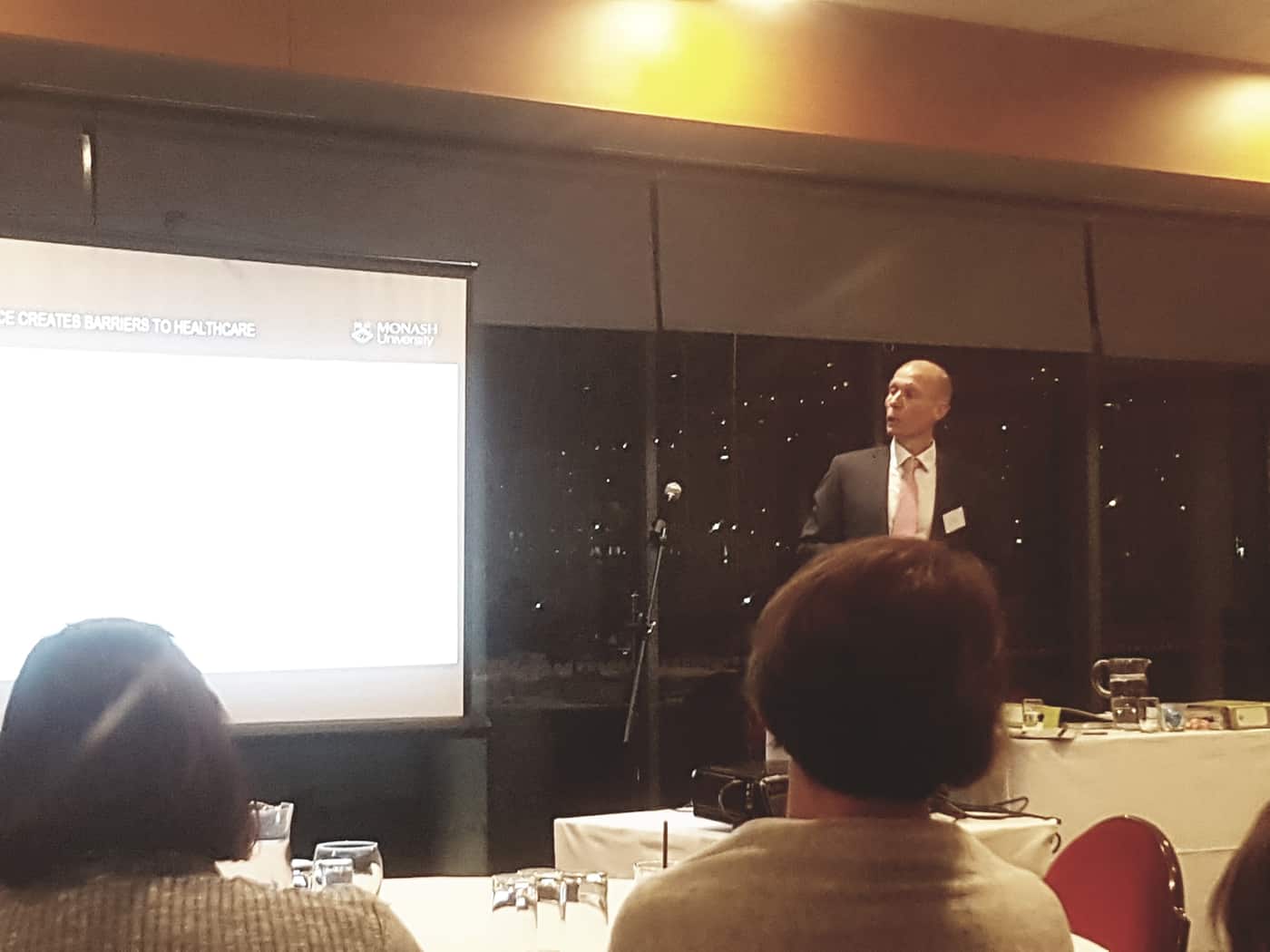
On the eve of a Return-to-Work symposium in Hobart, Alex Collie, challenged the a seminar audience, as all good speakers should.  His analysis of research data has found the following confronting information:

  • “main service delivery mechanism (case management) is ineffective at best, harmful at worst,
Subscribe to SafetyAtWorkBlog to continue reading.
Subscribe Help
Already a member? Log in here

New report provides important data on occupational health

A recent report from the UK Society of Occupational Medicine highlights several issues of note to the occupational health and safety (OHS) professional. But it is also worth looking at the SOM’s media release.

As well as offering financial costs and benefits of good occupational health management the full report also contextualises occupational health:

“The report cites a survey of 1,000 UK employers in which respondents gave their most common reasons to spend on health and wellbeing initiatives as: a motivated and healthy workforce is more productive (41%); to attract and retain staff (25%); to be perceived as a caring employer that takes duty of care requirements seriously (21%). Meanwhile, a survey of 1,000 employees found that they were more likely to choose an employer who took employee health and wellbeing seriously (66%) and would feel they have a duty to work harder for such an employer (43%). The survey results are reflective of the intangible as well as tangible benefits of occupational health.”

Continue reading “New report provides important data on occupational health”

Concatenate Web Development
© Designed and developed by Concatenate Aust Pty Ltd