

Victoria’s consultation on its work-from-home proposals closes this weekend. The government has claimed over 18,000 submissions and interactions, but none of them are yet publicly available. The Business Council of Australia (BCA) has garnered recent media attention, pre-empting the closure of the consultation. The BCA could have a more mature discussion on the concept and practice of working from home, but perhaps it realises that the argument has already been lost.
Category: government
Every Worker Deserves A Good Life
Work-related suicide is more insidious in some ways than non-work suicide, as it is institutionally stigmatised to the extent that its reality has been denied. There is an additional level of complexity when an employer is in control of the work, and a strong economic ideology often denies the influence of work factors. The tide is turning, but organisational factors are not receiving the prominence they deserve, and the change remains slow.
New Australian research is playing a crucial role in accelerating this change.
Note: This article discusses issues related to suicide.
Victoria’s Psychosocial Reforms will Test Employer Commitment to OHS
The Victorian Government plans to introduce legislation regarding psychosocial hazards, similar to that of all other Australian jurisdictions, by the end of 2025. But what workplace changes are expected when this new set of occupational health and safety regulations is enacted? Other States’ laws may provide clues.
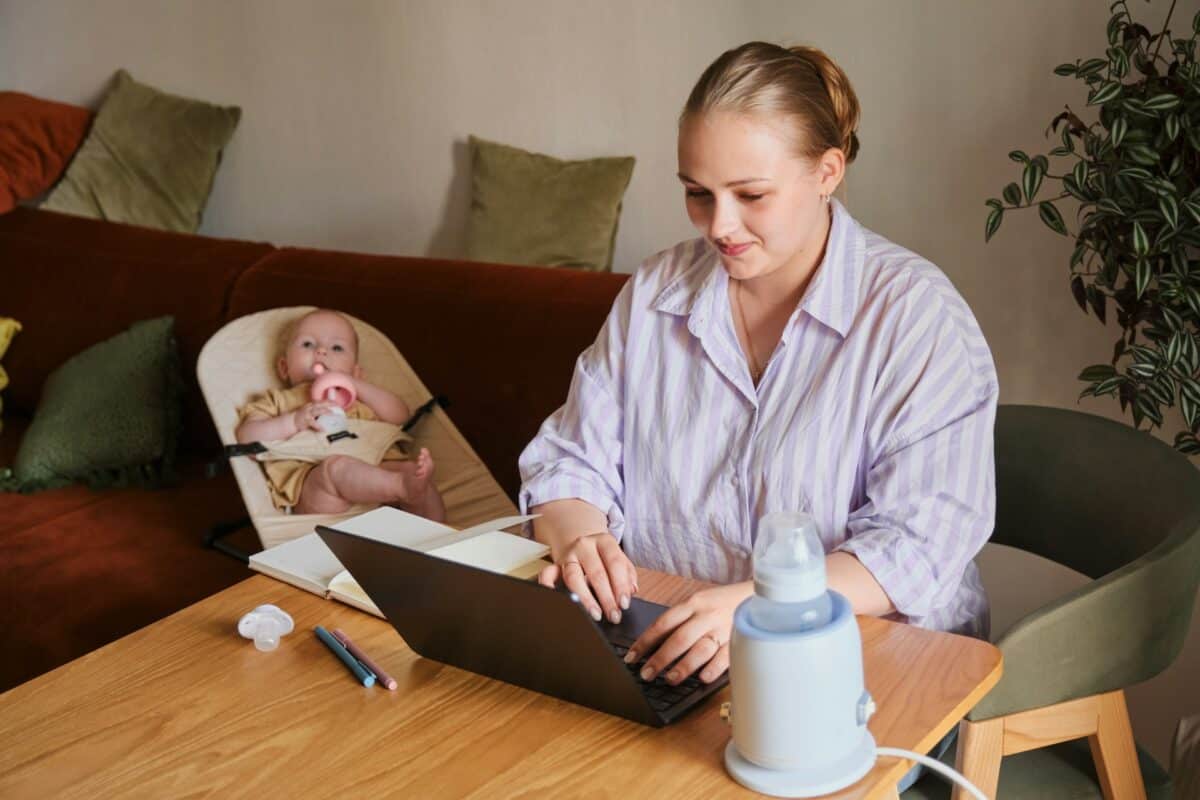
The Politics of Working From Home Continues to Miss the OHS Arguments
Working from home (WFH) is being sold as a cost-of-living fix and a family-friendly reform—but the Victorian government’s proposed WFH legislation misses a critical point: it’s also an occupational health and safety issue. While politicians tout productivity and convenience, they largely ignore the psychological benefits, consultation obligations, and uneven access that make this policy far more complex than a Monday morning commute.
You had to look hard for mentions of the occupational health and safety (OHS) legitimacy of the proposed law changes in Parliament this month.
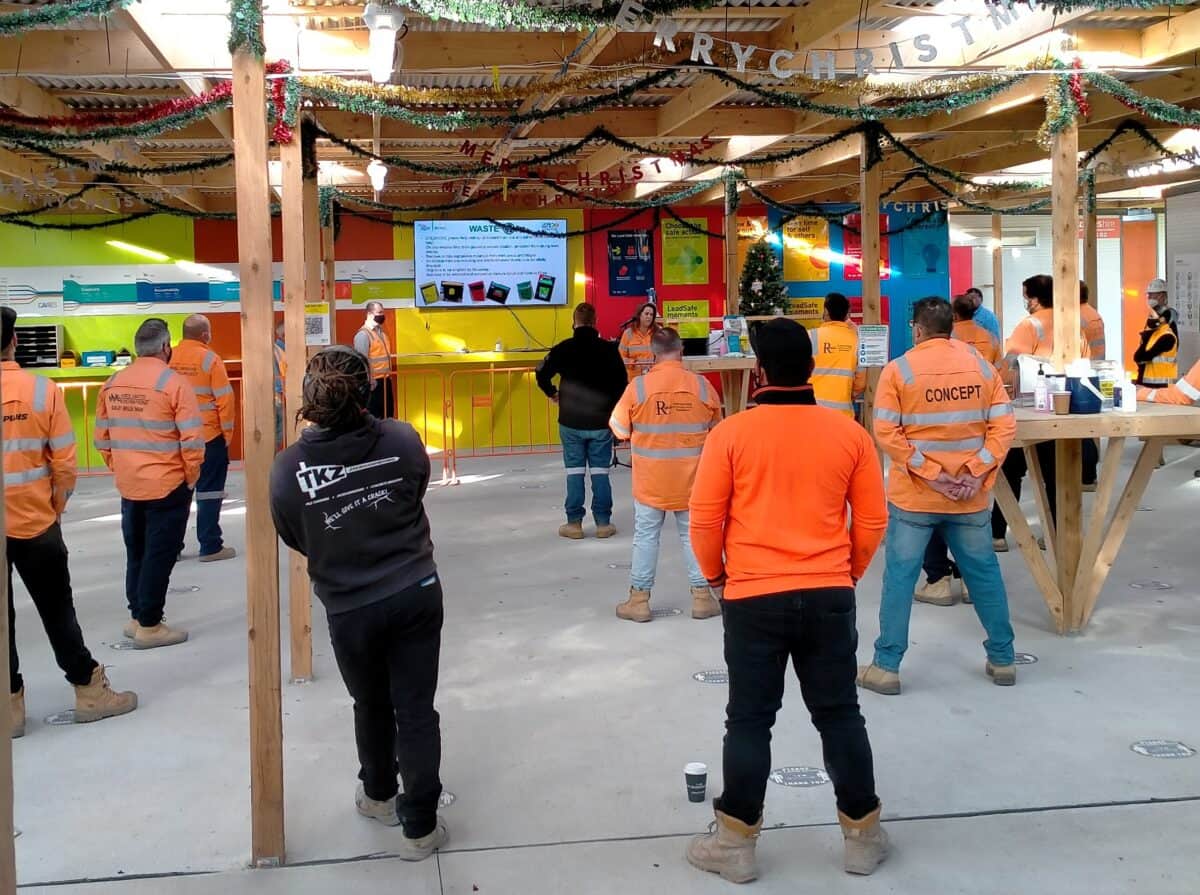
Someone should have read the instructions – OHS in COVID times
Ask someone to depict occupational health and safety (OHS) in a drawing, and the image is likely to include a hard hat, maybe some safety glasses, or hearing protection. Personal Protective Equipment (PPE) dominates the concept of OHS and how people perceive OHS, even when PPE is the last hazard control option to be considered in providing safe and healthy work.
Our relationship with PPE has forever been changed by everyone’s experience of the COVID-19 pandemic. The survivors of the pandemic are loath to reflect on those few intense years, but OHS needs to talk about the pandemic and what went right and what went wrong. Here’s a short start to the conversation.
15 SWA Research Summit Ideas and a Translation
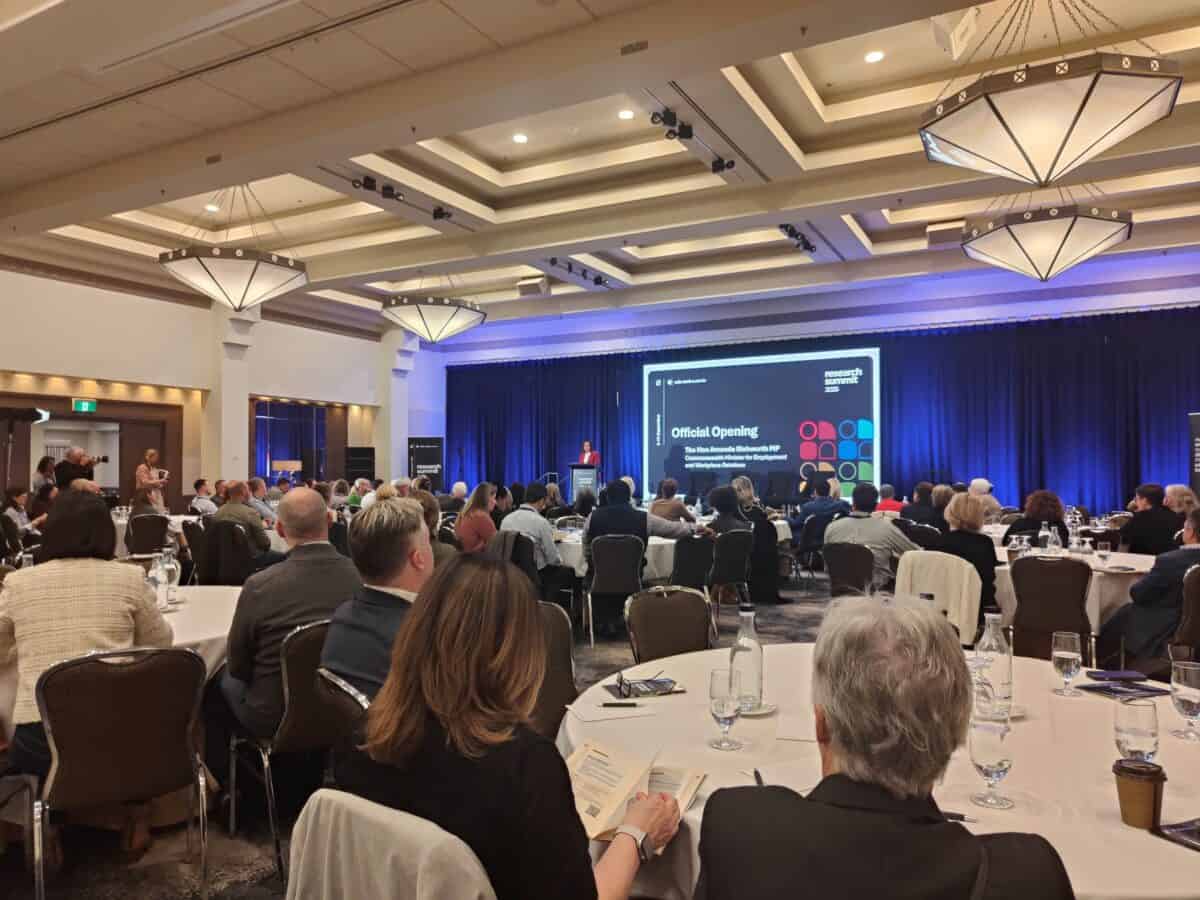
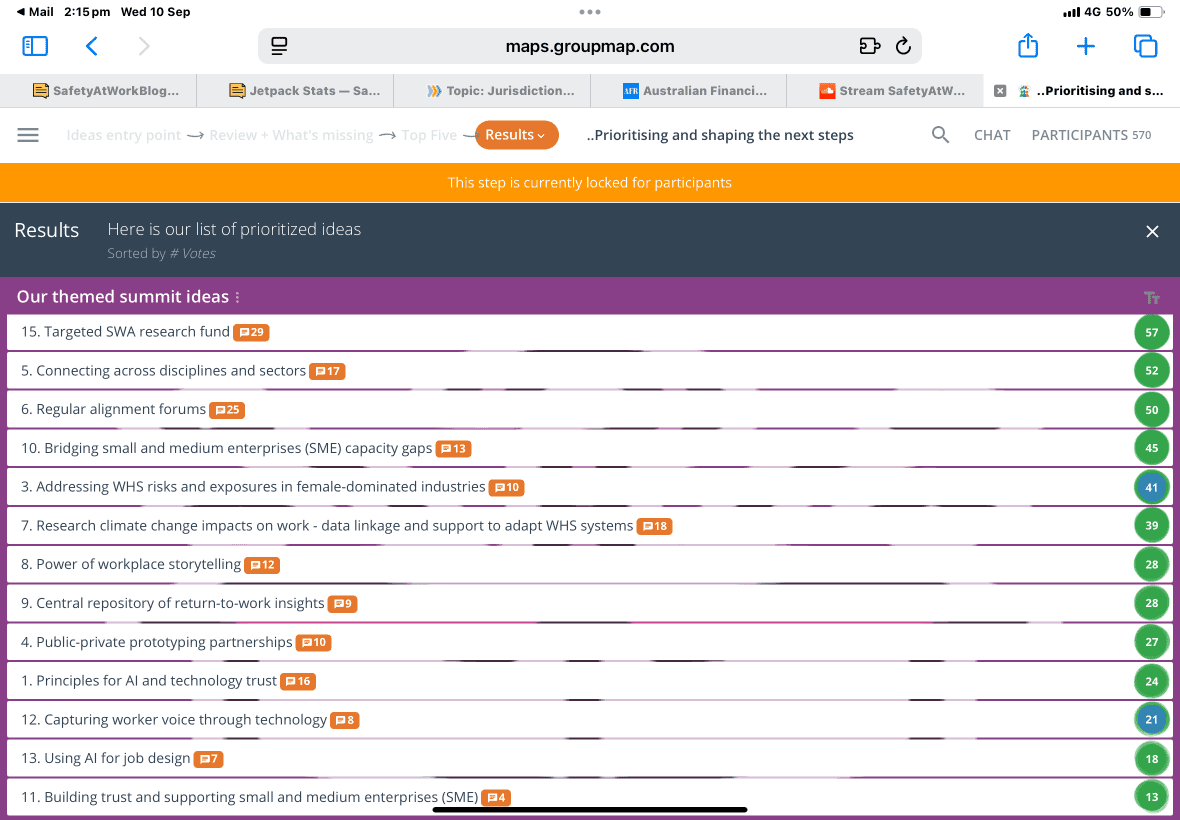
Although I have expressed concerns about the application of AI data analytics at the recent Safe Work Australia (SWA) Research Summit, I think it is important to list the 15 Leading Ideas that the analysis process identified from the summit. Some of these will seem like the bleeding obvious, but these outcomes will inform SWA’s research agenda and strategy.
Inside the Room Where Safety Happens
There are several ways to write about Safe Work Australia’s recent Research Summit. This is the first article and will discuss a couple of features of the summit and ask if the summit achieved its aims.