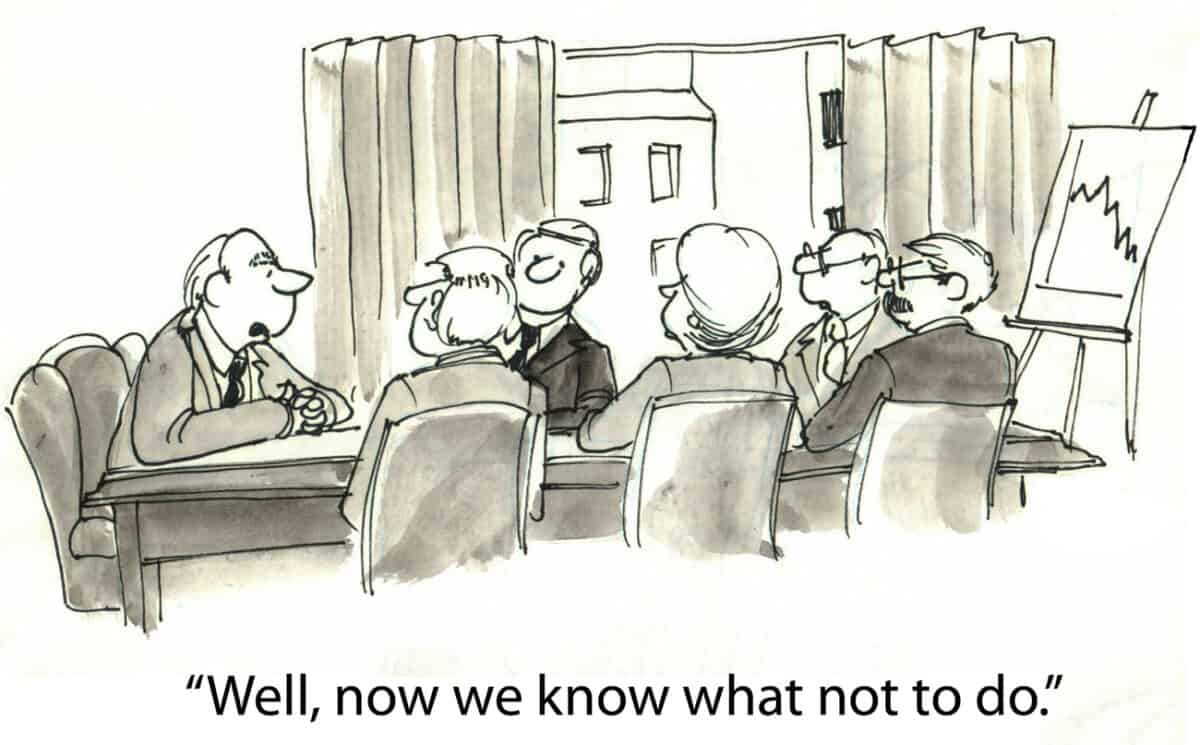
Two OHS regulators under investigation

Almost all the government agencies that regulate occupational health and safety (OHS) in Australia have been subjected to various independent inquiries. These inquiries have been a mix of political, financial and cultural. The review of SafeworkSA closes submissions at the end of this week. SafeWorkNSW is to have a six-month audit (paywalled) of its performance by the NSW Auditor-General, according to Adele Ferguson in the Sydney Morning Herald.

The Auditor-General is yet to release a media statement on the audit, but Ferguson identifies several serious concerns.

Subscribe to SafetyAtWorkBlog to continue reading.
Subscribe Help
Already a member? Log in here

Minister could have spoken stronger on OHS at a business event

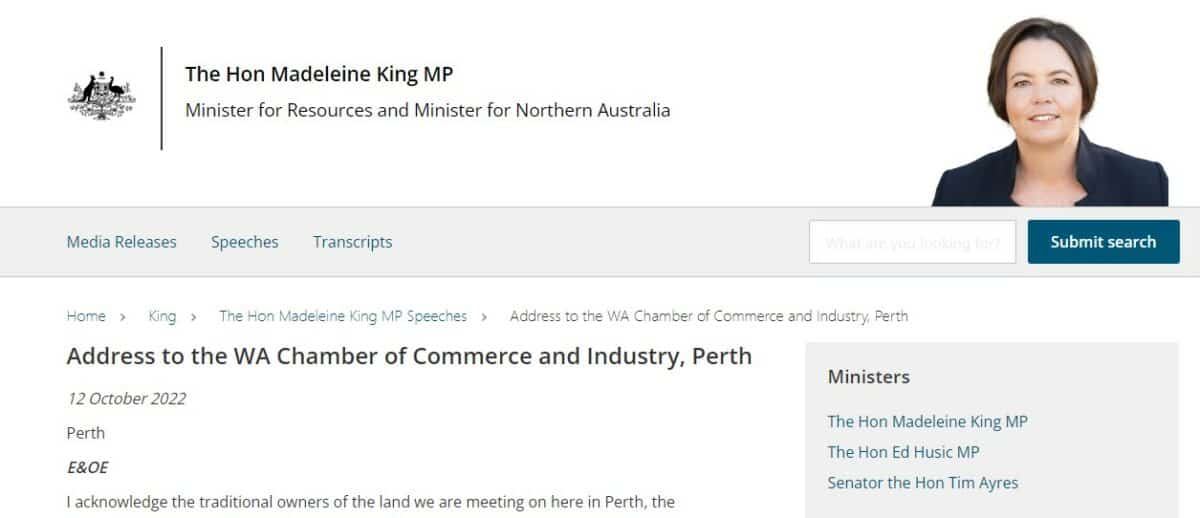
Recently Australia’s Minister for Resources, Madeleine King, spoke at an event hosted by the Western Australian Chamber of Commerce and Industry. The speech aimed to reassure the State’s mining sector to not feel threatened by the new Australian Labor Party government. However, her words about sexual harassment were a little odd.

According to the publicly released speech, King said this on the issue of the labour shortage in mining and resources:

Subscribe to SafetyAtWorkBlog to continue reading.
Subscribe Help
Already a member? Log in here

Rebuilding the “Duty TO Care”

Decades ago, the occupational health and safety (OHS) conferences had speakers regularly urging us to focus on the “H” in OHS. The “H” was often “Health”, but it was also the “Human”. OHS professionals have long acknowledged that the profession, and the OHS regulators, focussed for too long on traumatic physical injuries and less on health risks, often related to dust, or human risks associated with bullying, harassment and other psychosocial harms. Those days have gone by, but employers and institutions are yet to catch up.

Part of the reason for this lag is the intransigence of the neoliberal ideology and economics epitomised by Margaret Thatcher in the UK, Ronald Reagan in the USA, and Bob Hawke, Paul Keating and John Howard in Australia. (Australia’s neoliberalism was sneakier than in other countries and not just nationally. Jeff Kennett, I am talking about you). Neoliberalism is on the decline, although slower than it should be.

Subscribe to SafetyAtWorkBlog to continue reading.
Subscribe Help
Already a member? Log in here

Resilience training is not dead, but it is coughing up blood

[This article was submitted to The Age (and elsewhere) as a soft counter to so many workplace articles about health and safety that never include content from an occupational health and safety (OHS) specialist. It was never used, even though rewrites were requested.

So it gets used here and in support of this curious month of October where, in Australia, there are two separate monthly themes – Mental Health and Work Health and Safety. That these themes continue to be separate says heaps about the culture in each of these sectors]

Australian jurisdictions are amending their workplace health and safety (WHS) legislation to specify that the unavoidable duties and obligations of employers must now include the psychological health of their workers and not just physical health.  These reasonable and long overdue moves are manifesting in new laws, and new guidances supported by new International Management Standards. The kicker in these changes is that, at least in Victoria, employers will no longer be able to rely solely on awareness training or resilience training to manage workplace mental health.  This position could, and should, challenge traditional mental health trainers and lobbyists to recalibrate their workplace strategies.

Continue reading “Resilience training is not dead, but it is coughing up blood”

HWSA on psychological health at work

The Heads of Workplace Safety Authorities (HWSA) is a strange concoction. It operates separately from Safe Work Australia but has some overlapping memberships. According to SWA, HWSA:

“is made up of representatives from work health and safety regulators across Australia and New Zealand. They work together to promote and implement best practice in work health and safety in the areas of policy and legislative matters, education and enforcement. Our CEO attends HWSA meetings as an observer.”

In March this year, SafetyAtWorkBlog put some questions to HWSA about psychological risks in the workplace, a topic that has heated up over the last couple of years. The intention was to obtain an idea about HWSA’s “best practice” perspective. The responses were okay but limited, as one can see below.

Subscribe to SafetyAtWorkBlog to continue reading.
Subscribe Help
Already a member? Log in here

Pressure on local government over procurement and OHS

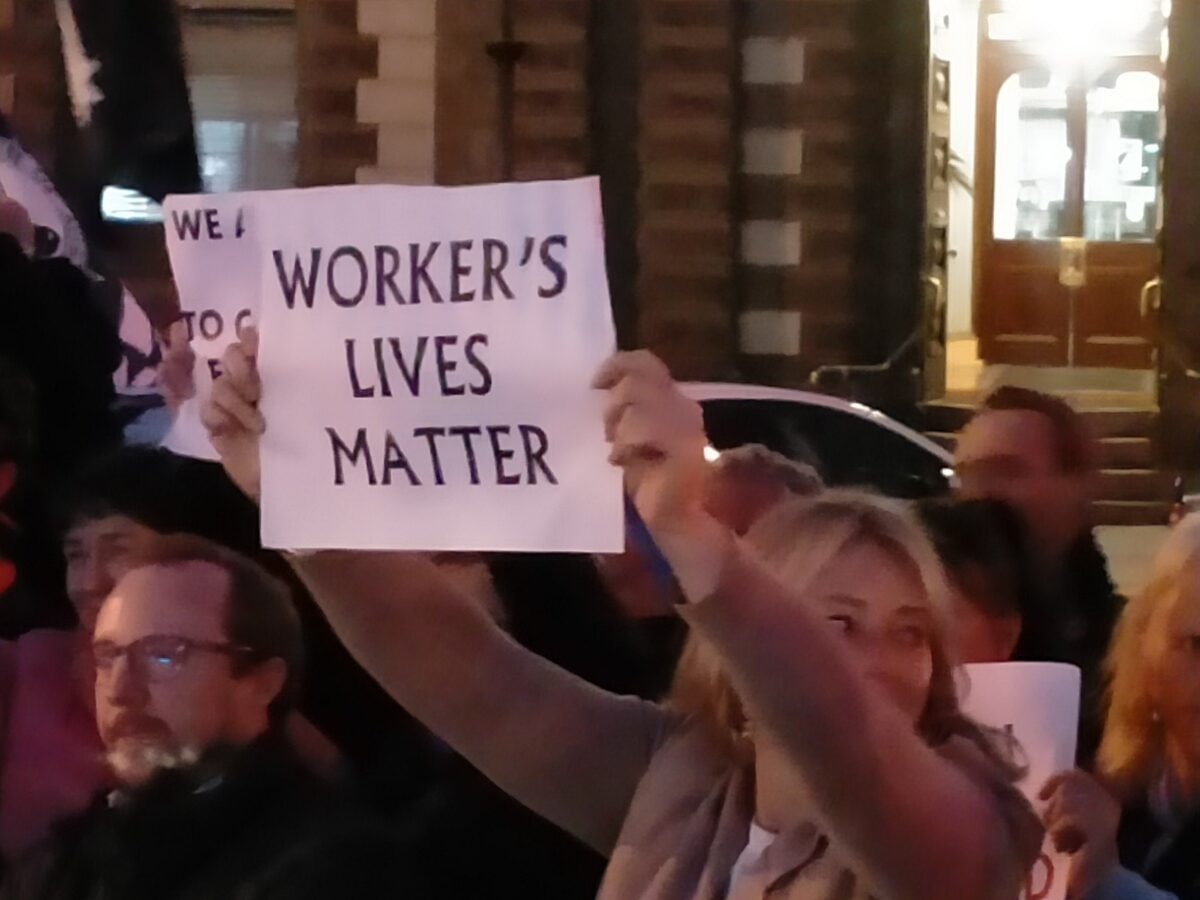
On a chilly night in Ballarat, over a hundred people gathered outside the Town Hall, within which the City Council was meeting, to let the Council know that the awarding of millions of dollars of ratepayers’ money to a local company that admitted to breaching occupational health and safety (OHS) laws and that led to the deaths of two local workers was not acceptable.

The event seem coordinated by the local Trades Hall Council, for the usual inflatable rat and fat cat were next to the ute, which was blasting out protest songs. Almost all the speakers were trade unionists, although one was Andy Meddick from the Animal Justice Party. The protest may not have achieved the changes that many speakers called for, but as is the case with these types of events, Council has given some ground with a likely review of the OHS procurement criteria.

Subscribe to SafetyAtWorkBlog to continue reading.
Subscribe Help
Already a member? Log in here

Australia’s mining sector can avoid becoming the next institutional pariah

Around a decade ago, parts of the Australian rail construction industry introduced the Pegasus Card. The intent was to have a single portal through which a worker’s competencies and eligibility to work could be verified. It evolved into the Rail Industry Worker Card in existence today. Pegasus remains in parts of the mining sector.

I was reminded of the Pegasus Card when I read the recent West Australian report into sexual harassment in the mining sector, Enough is Enough. One of its recommendations, Number 3, was that:

“The industry must explore ways to prevent perpetrators of serious sexual harassment simply finding reemployment on other sites and in other companies. This should involve:
– thorough exploration of an industry-wide workers’ register or other mechanism such as industry-wide accreditation, taking into account natural justice considerations and perhaps modelled on the Working With Children Card;…..

“industry-wide workers’ register”? Isn’t that what the Pegasus card helps to manage?

Subscribe to SafetyAtWorkBlog to continue reading.
Subscribe Help
Already a member? Log in here
Concatenate Web Development
© Designed and developed by Concatenate Aust Pty Ltd