
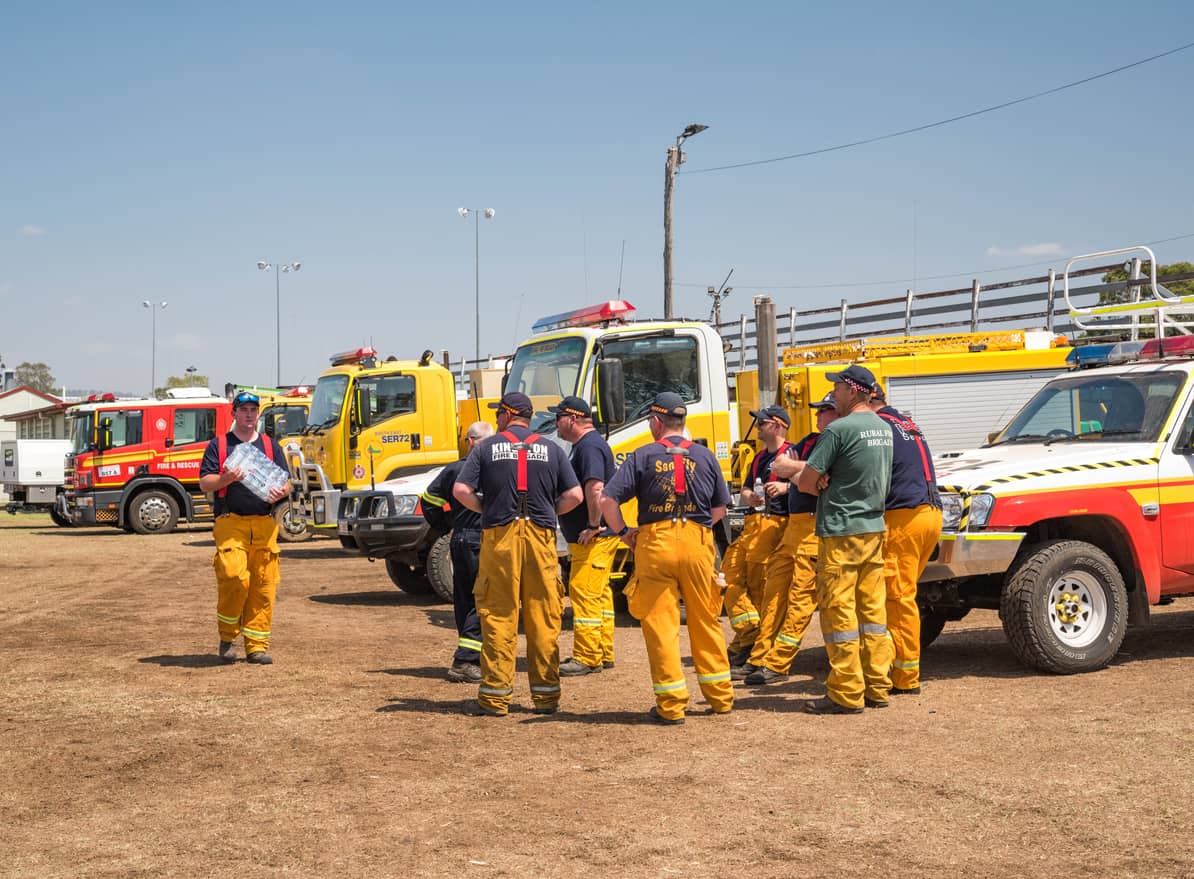
It’s National Safe Work Month in Australia this October. This year’s theme is SafeTea** emphasising the importance of involving everyone in work health and safety (WHS) discussions by encouraging workplaces to have a safety chat over a cup of tea. This started me thinking about safety conversations. Is the Safety Moment mentioned at the start of every meeting ritual impactful, engaging, behaviour changing or is just eroding safety credibility?
Category: hazards

Have Tourists and Party Goers Lost the Right to Safe and Healthy Experiences?
Last year I watched Trainwreck, a documentary on the Woodstock ‘99 music festival. After watching, I took a moment to pause and reflect. I asked myself, have we as a society, and as health and safety professionals, really learned and improved as much as we could have? Over the past five years, Splendour in the Grass, Fyre Festival, Astro World and Houston Music Festival have all experienced unsafe and unhealthy practices, and even fatal occurrences. These events are not typically discussed in the occupational health and safety circle, and they are not the usual scenarios that are looked to for lessons learned. Nor are the recovery efforts presented at conferences, with improvements showcased and implemented at the next event.
Global Occupational Health and Safety Handbook – A Critical Review
OK, let me own up. In 1999, I wrote Working for Life A Source Book on Occupational Health for Women. Earlier, I was posted to Indonesia to head up a program on occupational health and safety with the International Labour Organisation (ILO). I was supposed to improve the skills of labour inspectors, using specific training devised by other highly paid experts with the ILO.
What wasn’t included was how to cover corruption and studied ineptitude. Factory inspections inevitably concluded with the uniformed inspectors carting goods ‘donated’ back home.
Working in Heat, and Gwarda
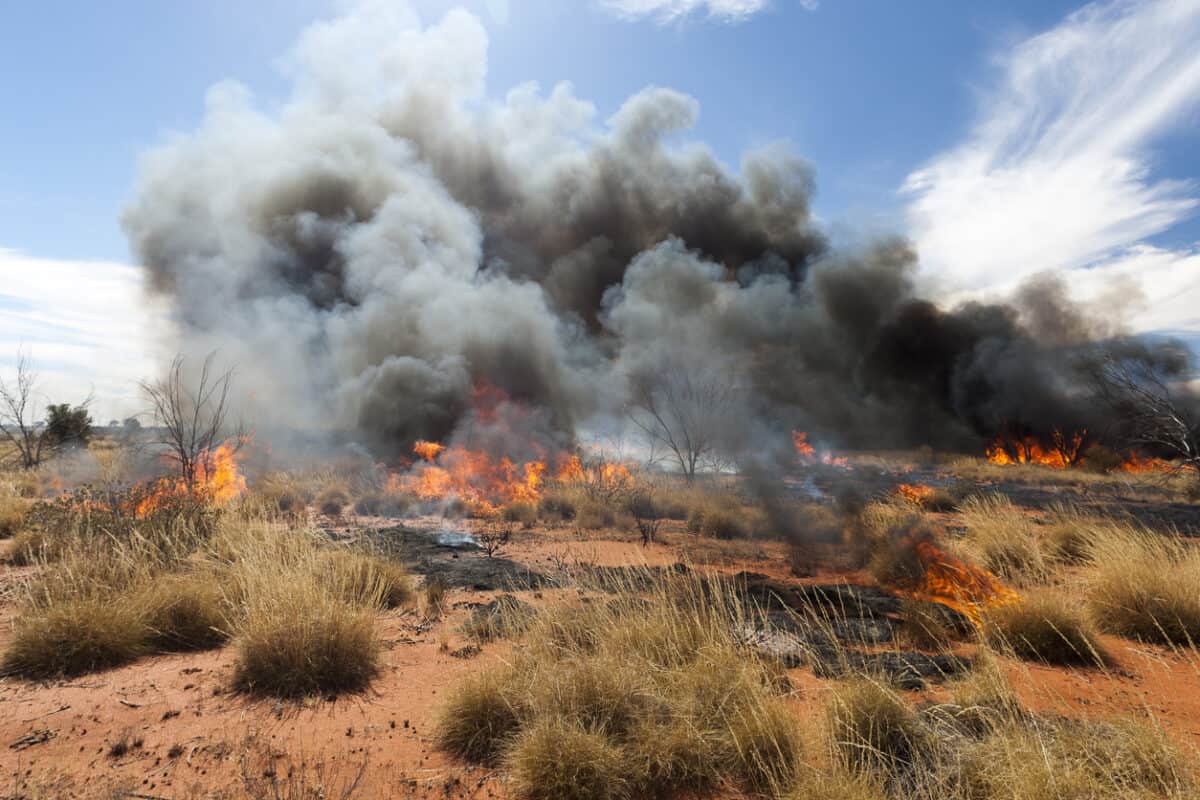
New research into working in excessive heat concisely summarises the socioeconomic impacts but misses the obvious strategies to prevent or diminish these impacts. It also includes impacts on productivity, but heat and climate change are not in the current Australian business group discussions about productivity. Those groups could benefit from understanding Gwarda.

Softly, Softly, Catch the Monkey
As with most political party conferences, occupational health and safety (OHS) is a fringe issue. OHS or safety is sometimes mentioned in the big political speeches but often as an afterthought or obligatory mention that is rarely explored to the extent it deserves. The Australian Labor Party (ALP) recently held its national conference in Brisbane. Work health and safety was mentioned.
The ALP Conference is not intended to change Australian government policies. Its aim is to review and revise the ALP Party platform; it drops what may be redundant and improves the policy platform’s relevance. The conference may indicate party member concerns to the parliamentary members, but the government’s positions are for the parliamentary members to decide.
It should come as no surprise that the ALP has again refrained from banning the import and use of engineered stone even though the silicosis risks are well-established.
Can OHS institutions be change agents?
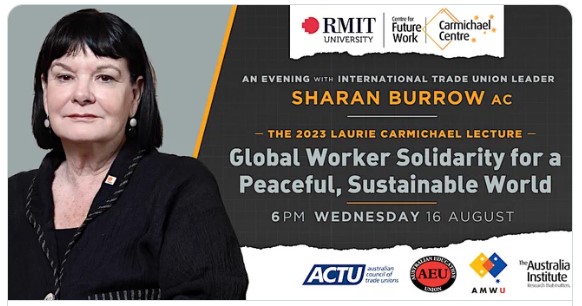
Last night Sharan Burrow delivered the 2023 Laurie Carmichael Lecture in Melbourne. Her lecture was a little rambling and full of essential industrial and environmental changes but with little innovation on how to achieve them. (A transcript will be publicly released shortly) There was, however, an opportunity to ask her about the role of occupational health and safety institutions as change agents. Her response is below.

The OHS of Working from Home remains problematic
When Australia harmonised its occupational health and safety (OHS) laws, the management focus broadened to include work, and not just workplaces. Some “knowledge” or white-collar work can be done anywhere, and employers have often struggled to understand how to extend their OHS management systems and duties to apply to this revised or expanded system of work. Current OHS guidance on working from home is too “big picture” when employers are addressing localised decisions.