
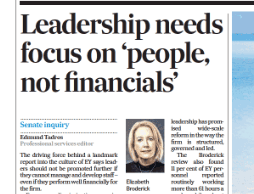
Long working hours and the billable hours structure received some attention in the prominent business newspaper. the Australian Financial Review, on November 11,2023. Unsurprisingly the article, by Edmund Tadros, about former Sex Discrimination Commissioner, Elizabeth Broderick has garnered attention in the business social media. The article reinforces the unsafe nature of the dominant management practices in white-collar workplaces.
Category: hazards
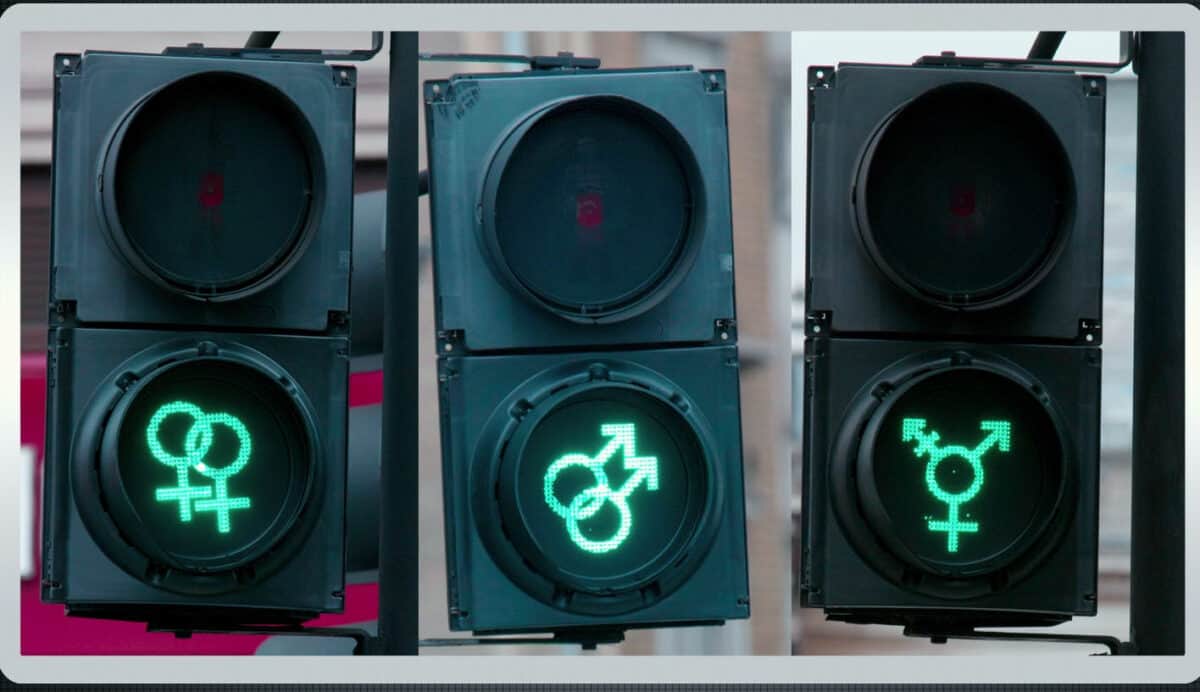
Effective safety signs
Safety signs can be a mix of symbols, colours and words. On a recent vacation in the United Kingdom, I saw a configuration of pedestrian crossing signs that challenged my interpretation of signs I had seen since I was a child. I wondered if this new configuration still communicated the essential safety message.

Get rid of dinosaur thinking on workplace mental health
Victoria’s coronial services has been found guilty of breaching its occupational health and safety (OHS) obligations after one of its employees died by suicide, identifying work issues as a major factor in her death. WorkSafe Victoria has released the best source of information on this case. Most of the mainstream media is relying on a newswire report,which is based on WorkSafe’s information.
Significantly none of the prevention strategies identified by WorkSafe are included in the media reports even though this is perhaps the most vital information for preventing recurrences.
This article looks at the advice offered by WorkSafe Victoria in its media release on what actions it believes could prevent the occupational factors that resulted in this suicide from emerging, or not being addressed, in your workplaces.
Downplaying “the source”
Recently on LinkedIn Audrey McGibbon wrote this about an online article discussing working hours in Europe:
“Working excessively long hours is par for the course in many sectors. The reasons for it are complex. The culture created by the collective leadership shadow makes its presence felt in many ways.”
I am not sure that the reasons are complex but the cultural change may be hard.
I think that the challenge is that there are so many reasons, many that are simple. Some are reasons that are beyond the control of employers but most are not, or at least, those that can have the most effective and positive benefit on the mental health of workers, are not.
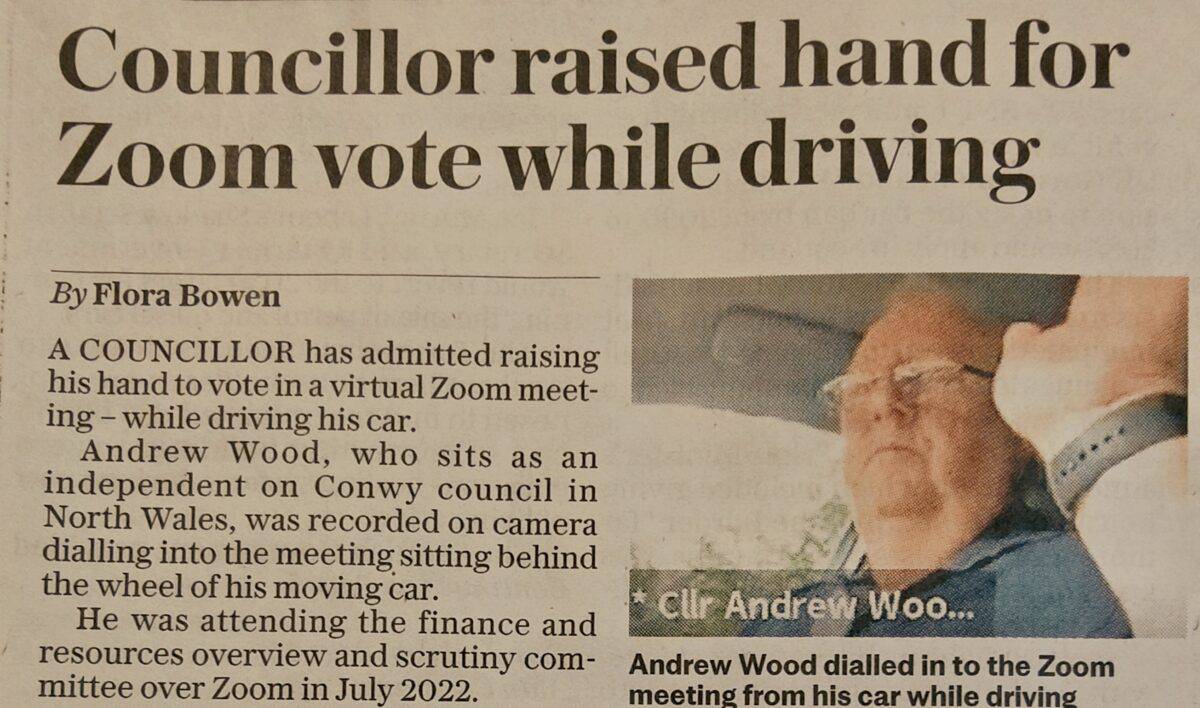
Virtual meeting while driving a car!!
Many companies have policies for driving work and company vehicles safely. Distracted driving has been identified as a high risk activity that contributes to injuries and deaths of road users. Recently, the Victorian road safety regulator introduced bans on touching mobile phones while driving. This has caused enormous debate, mostly from those who do not want to change their habits, about the safety of workers and others on the road.
Although not in Australia, this example in the UK Daily Telegraph (paywalled) on September 22, 2023, illustrates an example of very distracted driving, lying and hypocrisy.
Is it time to ditch the Safety Moment?
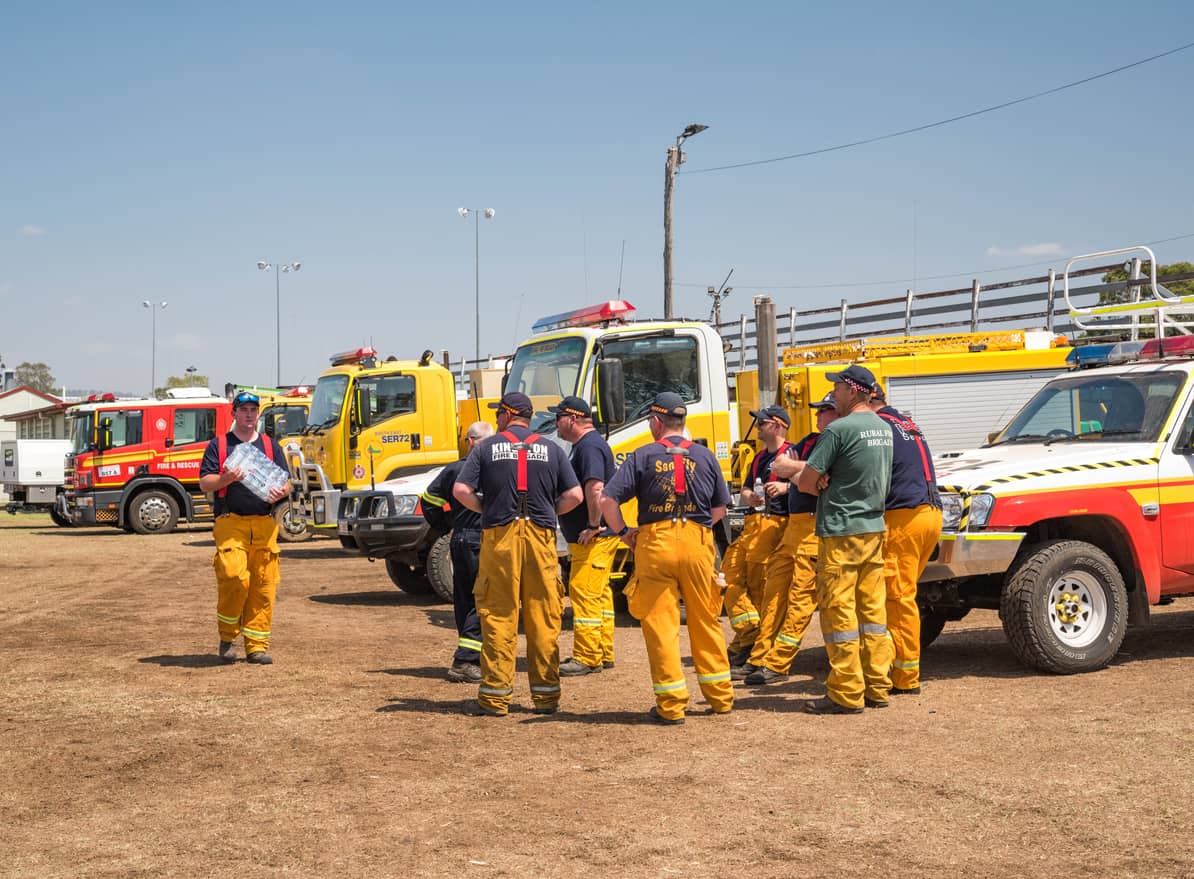
It’s National Safe Work Month in Australia this October. This year’s theme is SafeTea** emphasising the importance of involving everyone in work health and safety (WHS) discussions by encouraging workplaces to have a safety chat over a cup of tea. This started me thinking about safety conversations. Is the Safety Moment mentioned at the start of every meeting ritual impactful, engaging, behaviour changing or is just eroding safety credibility?

Have Tourists and Party Goers Lost the Right to Safe and Healthy Experiences?
Last year I watched Trainwreck, a documentary on the Woodstock ‘99 music festival. After watching, I took a moment to pause and reflect. I asked myself, have we as a society, and as health and safety professionals, really learned and improved as much as we could have? Over the past five years, Splendour in the Grass, Fyre Festival, Astro World and Houston Music Festival have all experienced unsafe and unhealthy practices, and even fatal occurrences. These events are not typically discussed in the occupational health and safety circle, and they are not the usual scenarios that are looked to for lessons learned. Nor are the recovery efforts presented at conferences, with improvements showcased and implemented at the next event.