Trucking inquiries scare the Conservatives

Australia’s newspapers have recently reported on the moves by the Federal Government to review the safety and working conditions of the country’s truck drivers. As expected, The Australian newspaper is painting this as the Government paying back its ideological and financial backers – the trade unions – and the resurrection of the Road Safety Remuneration Tribunal (RSRT), even though the Government denies this will happen.

Occupational health and safety (OHS) sits behind some elements of the debate. As with most things OHS, it will not be a game-changer in a discussion over pay rates and minimum standards, but it is a serious consideration, and deservedly so.

Subscribe to SafetyAtWorkBlog to continue reading.
Subscribe Help
Already a member? Log in here

Extreme heat

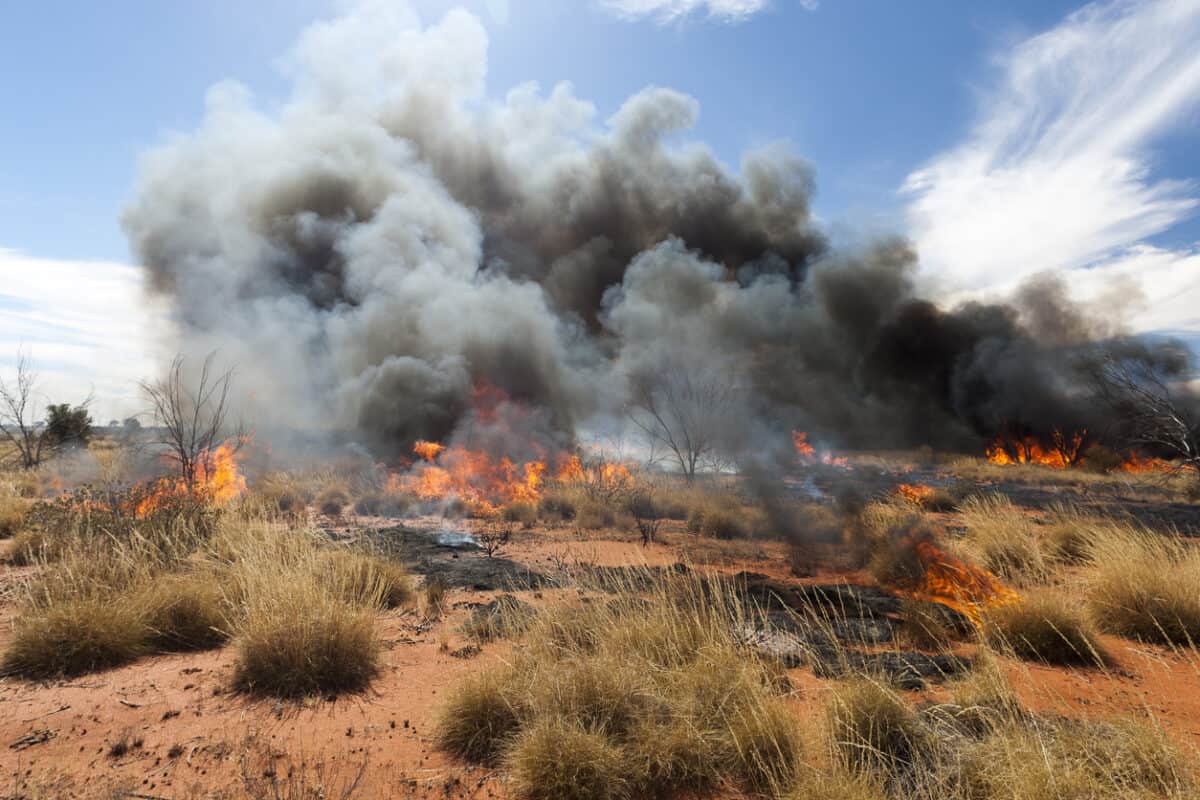
Global warming is affecting how we work just as much as how we live. Working in Heat policies are designed based on experience rather than meteorological and climate forecasts, meaning these documents are always chasing reality and not getting ahead of the occupational hazard.

On January 19, 2023, Steven Greenhouse (coincidental name) looked at the topic of working in extreme for Nieman Reports writing that:

“High heat can be a big problem for the nation’s workers, not just farmworkers and construction workers, but delivery workers, utility workers, landscaping workers, and warehouse workers.”

Subscribe to SafetyAtWorkBlog to continue reading.
Subscribe Help
Already a member? Log in here

Mental health book should be influential due to lack of bullshit

Some of the recent guidance on mental health at work from occupational health and safety (OHS) regulators is not scintillating or even engaging. Their purpose is to provide information with the hope it is presented in a workplace by someone super-communicative and influential. (C’mon, really? We’re talking about OHS here.)

Luckily there is a recent easy-to-read book of fewer than 150 pages that reads like a conversation over a single afternoon with the reader about Mental Health At Work.

Continue reading “Mental health book should be influential due to lack of bullshit”

The two extremes of managing burnout

Two new books about burnout arrived on my doorstep this week. They could not be more different. They reflect the mess of approaches to this type of psychosocial injury. Only one provides valid, useful evidence and advice.

Bev Aisbett released a book that I found unreadable – partly because of the advice offered but mostly because of the atrocious formatting where she YELLS almost all the time in the most annoying social media way. Below is a random example.

Subscribe to SafetyAtWorkBlog to continue reading.
Subscribe Help
Already a member? Log in here

C-Suite is disinterested in OHS

Consulting firm KPMG has released its annual survey report on the concerns of corporate executives called “Keeping us up at night – The big issues facing business leaders in 2023”. Occupational health and safety (OHS) fails to get a mention. (So much for the attitudinal impact of Industrial Manslaughter laws!) But then neither does “mental health” nor “sexual harassment“.

The KPMG report may accurately reflect executive priorities, but it may also reflect a denial of reality.

Subscribe to SafetyAtWorkBlog to continue reading.
Subscribe Help
Already a member? Log in here

The wicked problem of the safety of shearers and the viability of sheep farming

Shearing sheep is an exhausting laborious job and so can cause work-related injuries for which workers’ compensation can be sought. The Weekly Times on January 4 2023 (paywalled) devoted a whole page to the issue in an article headlined “The shear cost of it all”. (Only a companion piece is available online at the time of writing)

The aim of the article seems to be to illustrate the exorbitant and unfair workers’ compensation costs faced by the employers of shearers, but some relevant occupational health and safety (OHS) matters are overlooked.

Subscribe to SafetyAtWorkBlog to continue reading.
Subscribe Help
Already a member? Log in here

HR, welcome to the OHS world and start getting used to it

In an article on burnout in The Sydney Morning Herald and The Age on December 10 2022 (paywalled), there was a peculiar quote and some paraphrasing of Sarah McCann, chief executive of the Australian Human Resources Institute (AHRI), indicating the size of the challenges facing human resources professionals in preventing psychosocial harm in Australian workplaces.

The article is a peculiar one. It states that burnout has been categorised as an occupational risk by the World Health Organisation but then reports on psychological support organisations who are applying the concept outside of work activities. The justification for this is that the work undertaken at home or in caring for a family is unpaid work but still work, so the occupational definition applies. That’s a stretch, but it’s possible.

Subscribe to SafetyAtWorkBlog to continue reading.
Subscribe Help
Already a member? Log in here
Concatenate Web Development
© Designed and developed by Concatenate Aust Pty Ltd