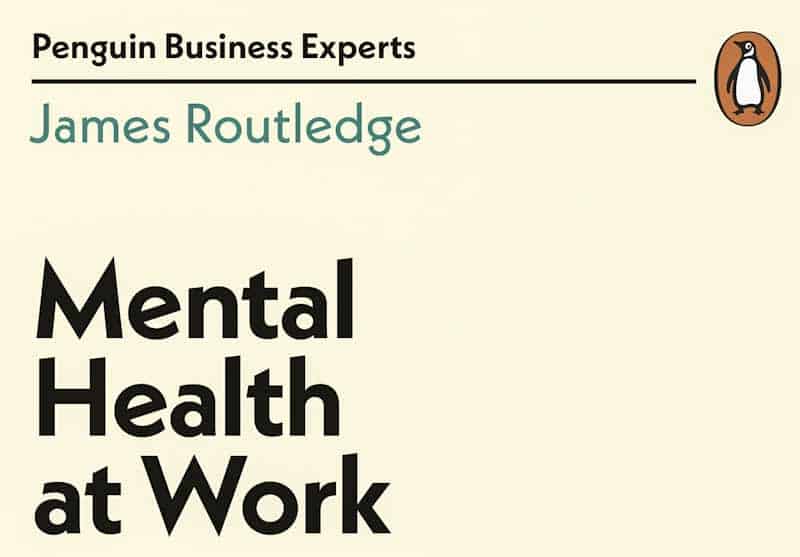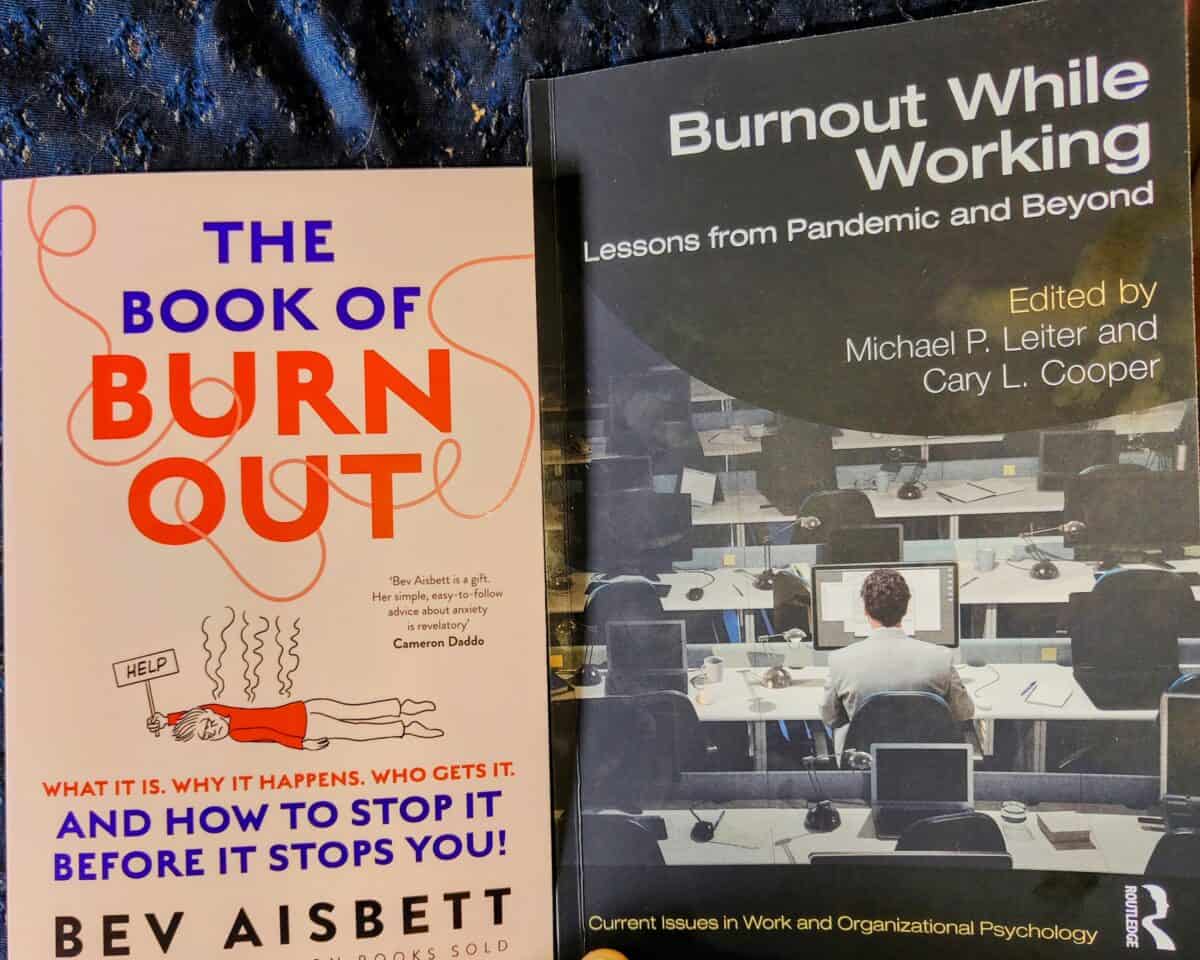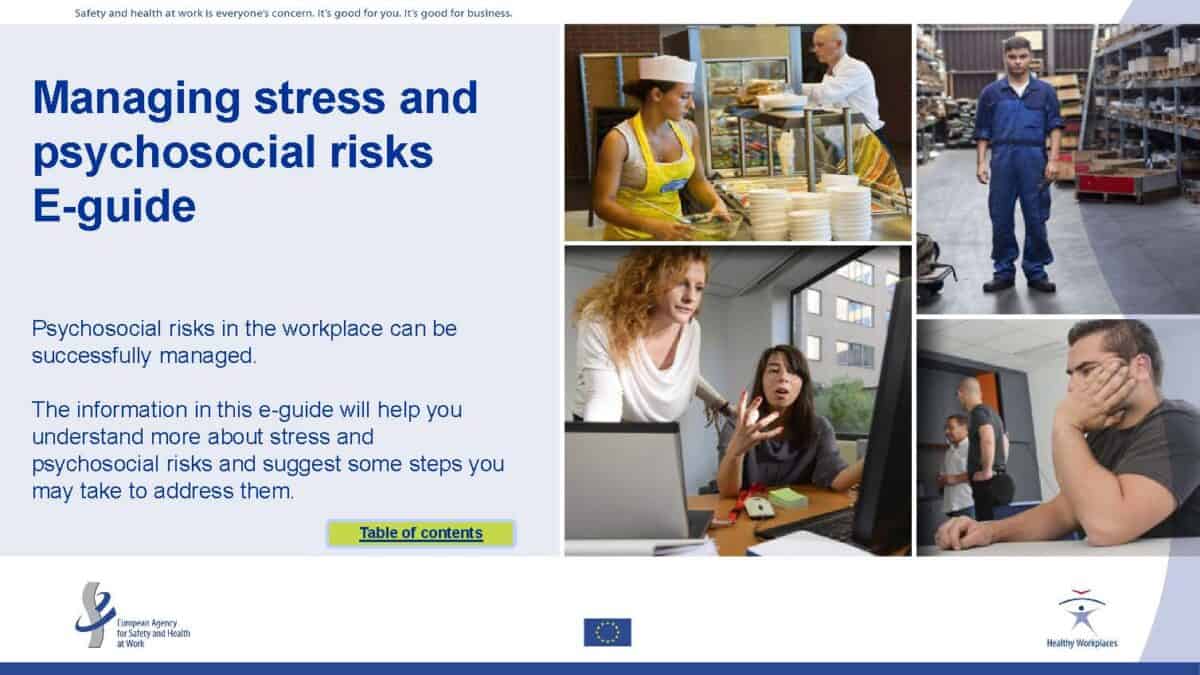
Last week Safe Work Australia released its “Managing psychosocial hazards at work – Code of Practice“. It offers solid guidance on psychosocial hazards reflective of the work already conducted by Victoria, New South Wales and other jurisdictions and in support of the new regulations in the Model Work Health and Safety laws. In connection with a blog article earlier today, the Code provides some insight into cognitive demands.
Category: hazards
Silicosis risk controls exempted for the moment
In 2019, Dr Graeme Edwards said this of the cutters of engineered stone:
“We can’t just rely on the industry to self-regulate. We need to licence the industry and we need to regulate the product….. If we can’t do this, [banning] is a realistic option.”
Recent research commissioned by the Australian Council of Trade Unions (ACTU) and conducted by Curtin University seems to support a ban on the import of engineered stone products with such a high level of silica that cutting them, without suitable controls, can lead to silicosis.
Why are farms becoming safer?
It is Farm Safety Week in Australia. These types of events are intended to raise awareness of specific issues. The biggest problem with these events is that solutions are rarely presented; it is assumed that raising awareness is sufficient. This is hard to justify in agriculture, where many of the smaller and high-risk farms have been run by families for many years and often generations. As a result, most people living in the country know of someone widowed after a workplace incident or of someone like the one-armed tennis player or lawn bowler who lost an arm in an unguarded Power Take-Off.
At some point, the strategy must move from raising awareness to providing solutions.
“There is too little time and the ask is too big to try to change the system”.
There are many similarities between the management of occupational health and safety (OHS) and environment protection. Both seek to prevent and/or mitigate harm, and both have similarly focussed legislation. However, this similarity extends to vulnerabilities in each approach. Neither discipline is solely responsible for the lack of progress in prevention and protection, but both have not realised their potential for change.
Action on Health and Safety is always a choice
Last week epidemiologist Hassan Vally wrote one article in The Age called either “Health or economy a false choice” or “COVID caution can be a win for both public health and business” (paywalled), depending on the sub-editor and format. Curiously one has a negative implication, the other, the opposite. Either way, the article illustrates the public health dichotomy that mirrors that of occupational health and safety (OHS).
OHS often requires a decision between profit or production and safety. Public Health deciders need to consider the interests of the public and the duties of government. I prefer the former headline because it states that this decision is a “choice”. Safety, occupational or public, is always a choice.
Improving the OHS state of knowledge
Earlier today, I wrote about the potential benefits of having an Australian Workplace Safety Bureau, an idea I first proposed in 2018. Others have similar thoughts.
On the Australian Broadcasting Corporation (ABC) website, Elizabeth Byrne has written about the decade-long effort of Kay Catanzariti to gain justice, and an apology, for the death of her son, Ben. Catanzariti has been a strong advocate for workplace health and safety for a long time. The ABC article quotes Catanzariti:
“Mrs Catanzariti says her experience shows that investigators need more expertise. “I want a federal investigation team for deaths on worksites,” she says.”
Guilt, shame, dissatisfaction: workers and customers on the gig economy (and how to make it better)
This article is republished from The Conversation under a Creative Commons license. Read the original article.
The gig economy is in trouble. Rideshare drivers are cancelling in droves. Wait times for food delivery are ballooning out and driver shortages are leading to food waste.
So, what’s going on? To find out more, I interviewed 30 Melbourne gig workers who worked as rideshare drivers, food deliverers or for task-based platforms such as Airtasker.
I also spoke to 30 customers who use such services, and to 20 industry stakeholders. My colleague, Elizabeth Straughan from the University of Melbourne, conducted a further ten interviews with gig workers after the pandemic set in, to learn how they’d been affected.
Continue reading “Guilt, shame, dissatisfaction: workers and customers on the gig economy (and how to make it better)”