You can learn so much more from a Near Miss – Interview with James Wood

James Wood was injured during work on an Australian mine site in 1985 resulting in spinal cord damage and other complications. For a long time, James has been telling his story to Australian workers for them to understand the risks they face, primarily, at work. I caught up with James on a very cold morning at a lovely café in Victoria’s Yarra Valley earlier this month.

SAWB: James, I heard you talk about your workplace injury and the disruption and the consequences of that at least 15 years ago at a breakfast meeting. It was extremely effective, and a powerful message. Fifteen years later you’re still doing that. Why tell your story? Why would anybody want to hear it?

JW: Well, there’s probably a couple of answers, Kevin. I share my story and my experiences because I know how my workplace accident changed my life and I know how it affected a lot of the people around me at the time. My family, workmates, friends. I believe that by sharing my story, I can give people a little bit of information about what it’s like to get hurt at work or even away from work.

I honestly hope that by telling people how I got hurt and how it changed my life, it can give people the reason to maybe use some of the training that we’re all given. To use the systems and the procedures that most workplaces have and try and stop somebody else from getting hurt.

Subscribe to SafetyAtWorkBlog to continue reading.
Subscribe Help
Already a member? Log in here

Reviewing fundamentals is part of cultural change

The most recent stuff-up by the Commonwealth Bank of Australia has strengthened calls for a Royal Commission into Australia’s finance and banking sector. This is of interest to workplace safety professionals because it contains the liveliest current discussion about corporate cultures – how flawed ones are supposedly behind the errors and how proactive ones are supposed to be the solution.

Occurring at the same time is a growing social movement that is recalibrating occupational health and safety (OHS) to see workers as humans of value rather than units of labour.

Paralleling all of this is increased attention on the sociology and psychology of work, perhaps linked to a decline in the neoliberalism of the past forty years.  As Australia enters the time of OHS conferences and Work Safe Month in October, it may be worth considering a couple of fundamental questions, such as absolute safety, AFAIRP, and invisible hazards.

Subscribe to SafetyAtWorkBlog to continue reading.
Subscribe Help
Already a member? Log in here

What First Aid can say about a workplace culture

The Australian Financial Review for 31 July 2017 included an article (paywalled) reporting on unfair dismissal proceedings involving a first aid officer, Audrey Gatt, at Crown Resort‘s casino and entertainment complex in Melbourne, Australia. The article includes allegations by Gatt that First Aid was withheld from injured workers and patrons.

Subscribe to SafetyAtWorkBlog to continue reading.
Subscribe Help
Already a member? Log in here

What is Farm Safety Week really saying about safety?

This week is Farm Safety Week in Australia.  This means that a lot of organisations will be issuing media releases about how to either, improve safety performance (ie. reduce harm) or raise awareness of risks and safety.  What is likely to be missing from the information is practical information.  This is partly because of the unique nature of farmers – isolated, small businesses, politically conservative and working from home.

Safe Work Australia

On the first day of the week Safe Work Australia (SWA) released an

Subscribe to SafetyAtWorkBlog to continue reading.
Subscribe Help
Already a member? Log in here

Quinlan’s time capsule includes useful OHS perspectives

Professor Michael Quinlan has been writing about occupational health and safety (OHS) and industrial relations for several decades. His writing has matured over that time as indicated by his most recent book, Ten Pathways to Death and Disaster.  In 1980, one of his articles looked at OHS through the prisms of Capitalism and Marxism.  It is remarkable how much an article that was written early in Quinlan’s career and at a time when OHS was considered another country remains relevant today.  This perspective contrasts strongly with the current dominant thinking on OHS and as a result sounds fresh and may offer some solutions.

In Quinlan’s 1980 article, “The Profits of Death: Workers’ Health and Capitalism”*, he writes that

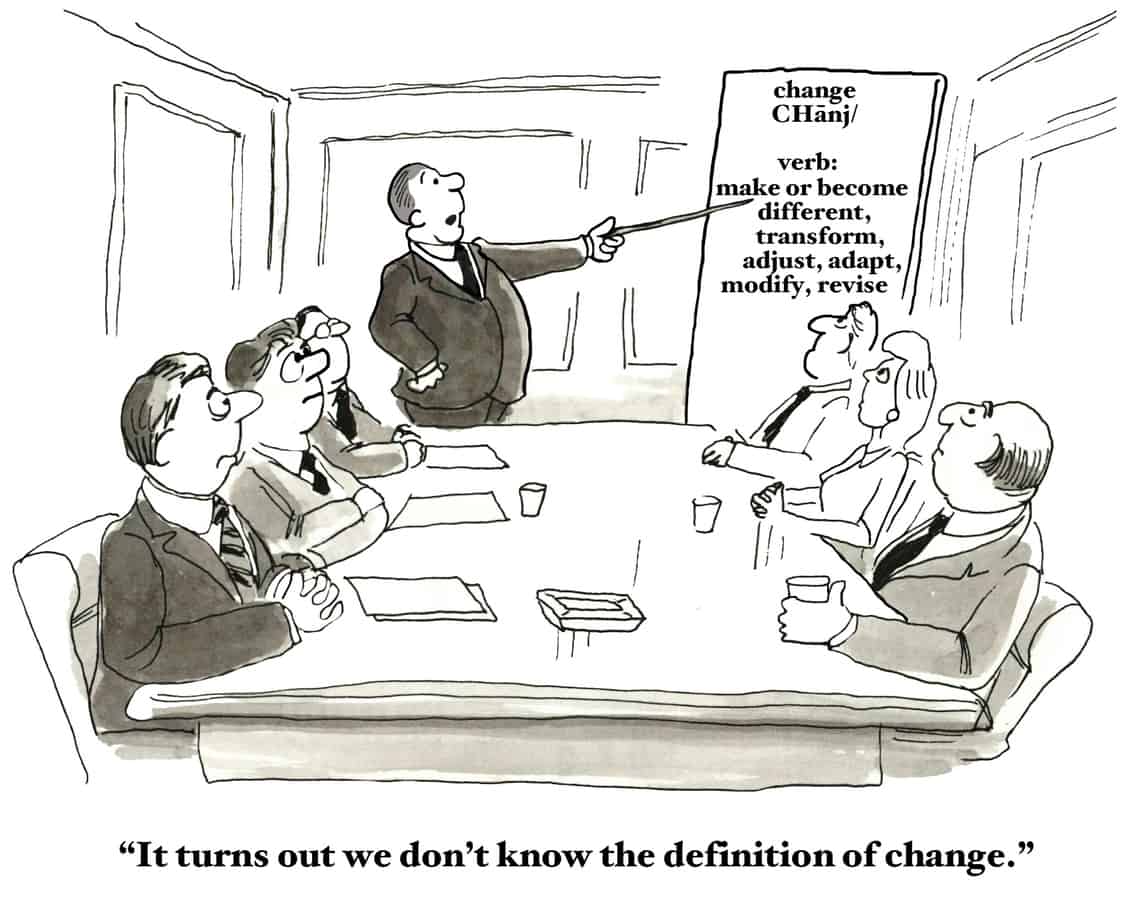
“contrary to popular belief there is no objective irrefutable definition of illness”.

This could equally be applied to safety.  But searching for THE definition of things can lead to everlasting colloquia of academic experts without helping those who need to work within and apply safety concepts.

Subscribe to SafetyAtWorkBlog to continue reading.
Subscribe Help
Already a member? Log in here

WorkSafeNZ’s investigation into cut throats identifies important safety lessons

Following a recent article about Enforceable Undertakings, several readers have asked for more information about the occupational health and safety (OHS) breaches that cause WorkSafe New Zealand to commence prosecution actions.

The investigation report provides some useful discussion on safety management failures and Board of Trustee obligations.

Subscribe to SafetyAtWorkBlog to continue reading.
Subscribe Help
Already a member? Log in here

Safety Culture and/or safetyculture

Kevin Jones speaking a SafetyCulture’s Sydney office

SafetyAtWorkBlog and others have been critical of some of the products and practices of Australia safety company SafetyCulture. However Luke Anear, SafetyCulture’s CEO invited me to speak at a briefing for his staff and this seemed a good opportunity to better understand his company.

Subscribe to SafetyAtWorkBlog to continue reading.
Subscribe Help
Already a member? Log in here
Concatenate Web Development
© Designed and developed by Concatenate Aust Pty Ltd