

In Australia, the sovereign citizen movement has gained strength for some time, particularly since the COVID-19 pandemic. It is also, according to The Age newspaper recently, creating administrative problems for the courts – Flash juries and Bible verses: How sovereign citizens clog up Australian courts (paywalled). I began considering how I would manage a worker who held sovereign-citizen beliefs and might object to certain policies and directives used in the occupational health and safety (OHS) context.
Category: hazards
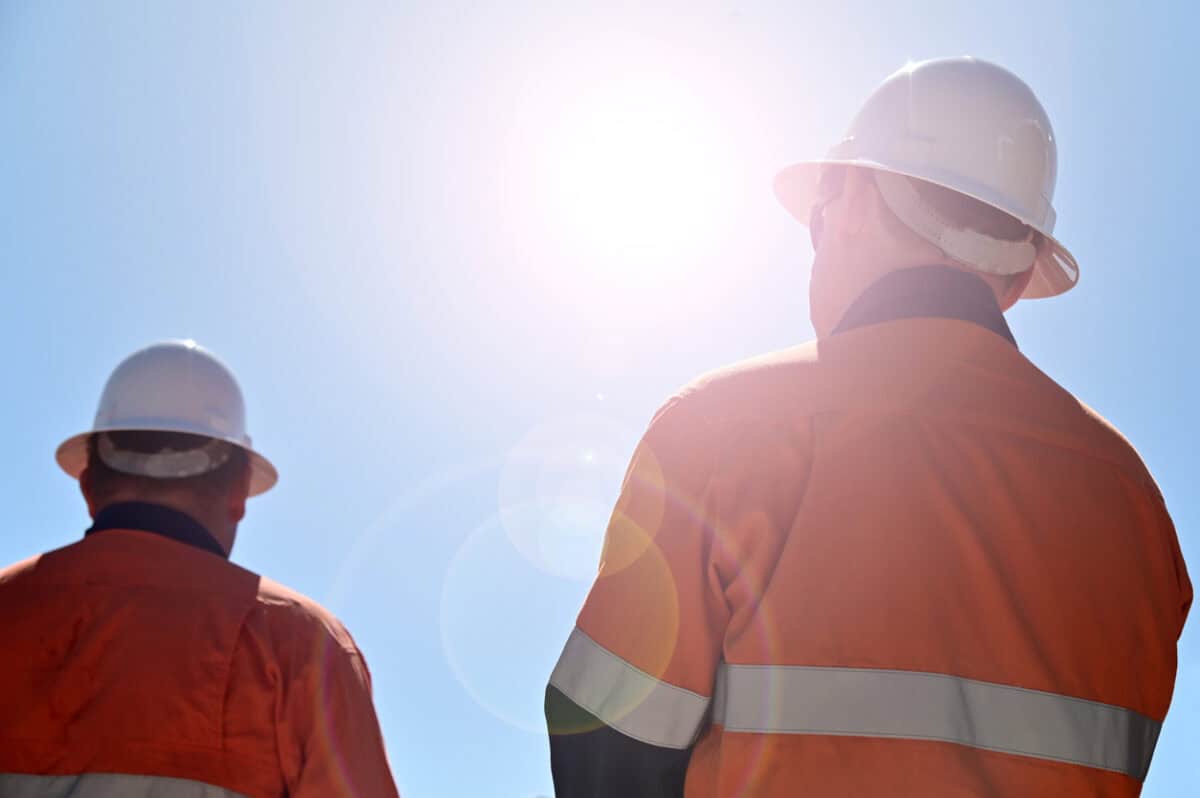
Why Heat Safety Still Depends on Employers Not Canberra
The issue of working in heat has resurfaced in some Australian media this February, again driven by trade unions. The union approach continues to show negotiating flaws, deflections, and at least one inaccuracy.

Workism: Australia’s Most Socially Acceptable Form of Self‑Harm
Safe Work Australia states that :
“A psychosocial hazard is anything that could cause psychological harm (e.g. harm someone’s mental health).”
Preventing these hazards is most effective and sustainable through redesigning work, but this approach should not deny that personal decisions can also be hazardous. In the broader social and occupational contexts, it is worth considering workism as a psychosocial hazard.
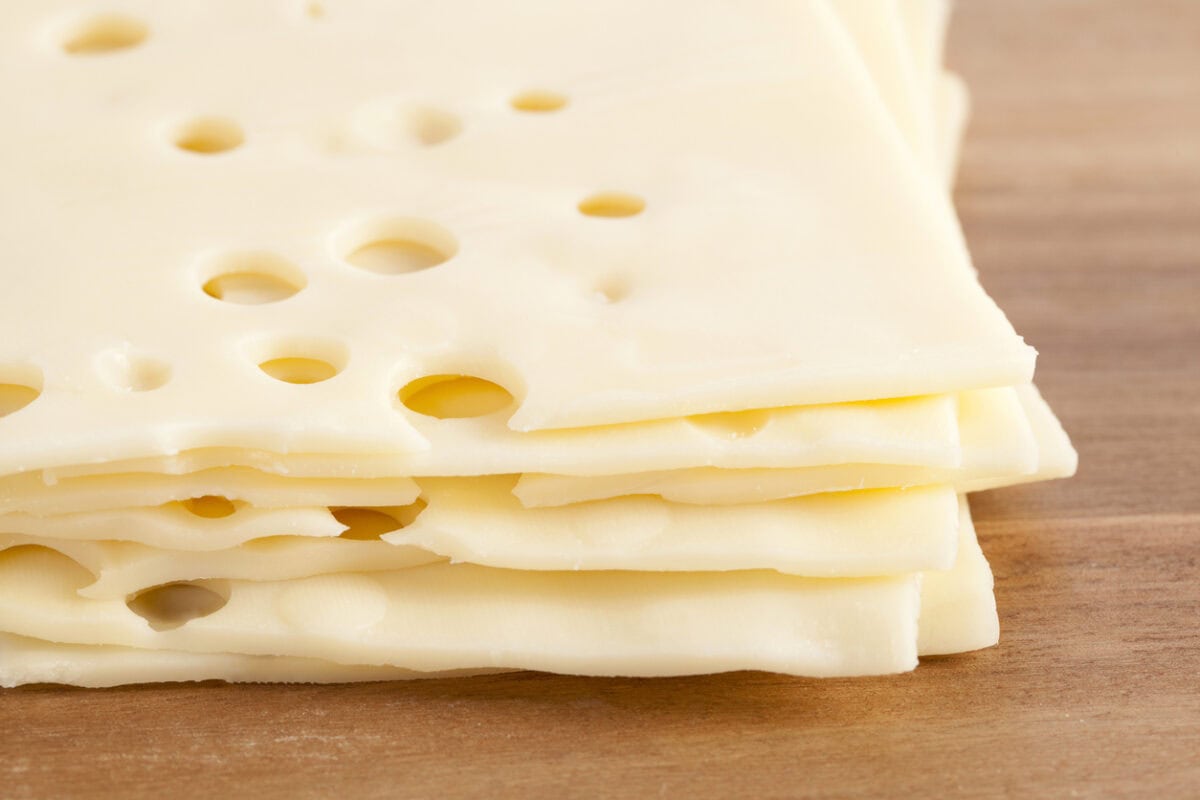
Bricks + Cheese + Clutter = Safety and Health
Until recently, Donna McGeorge‘s book “Red Brick Thinking” passed me by, but her perspective aligns closely with the occupational health and safety (OHS) concepts of “safety clutter” and the Swiss cheese model.
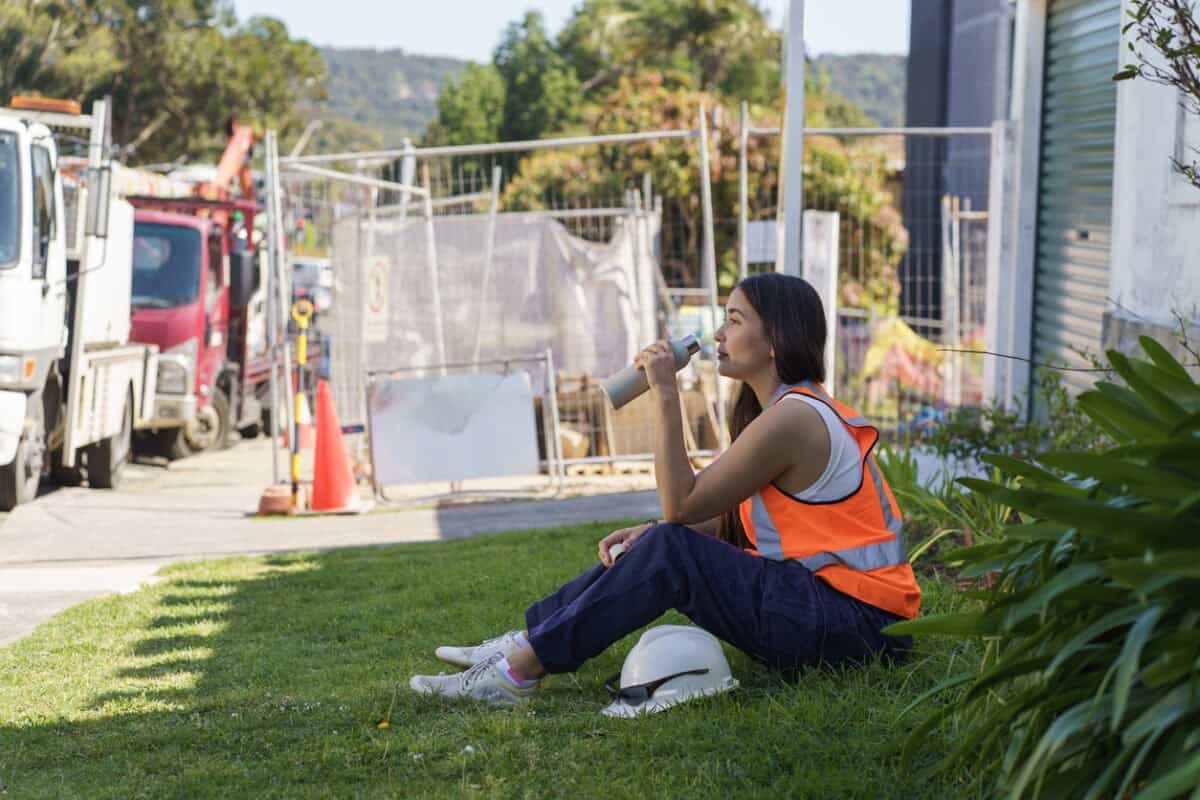
Working Hot and Thinking Smart
In 2021, Safe Work Australia released a model Code of Practice (CoP) for Working in Extreme Heat. The latest iteration of that code was released by the Australian Capital Territory on November 7, 2025. It is greatly expanded and much clearer on the prevention and management of exposures. When companies are claiming “best practice” safety, this CoP is particularly interesting.

Unsafe Back Then, Unsafe Now. Why Leadership Must Change
To truly understand occupational health and safety (OHS) issues, it is necessary to examine OHS concerns beyond one’s own industry. Recently, this blog has reported on some parliamentary debates on OHS in the horse racing industry. The November edition of The Monthly includes an exposé of the OHS of Australia’s horse racing industry by freelance writer, Madison Griffiths, with lessons for all of us on morality, Godliness, accountability and leadership. The article is paywalled but well worth the purchase.

Is there even a need for a home office?
In today’s The Age newspaper is an article about a worker who claimed part of his rent for his home office as a work-related tax deduction (paywalled). The Australian Taxation Office rejected the claim, but it is now being considered by the Federal Court. There is a comment in the article that questions the need for a home office and challenges the occupational health and safety (OHS) context of working from home.