
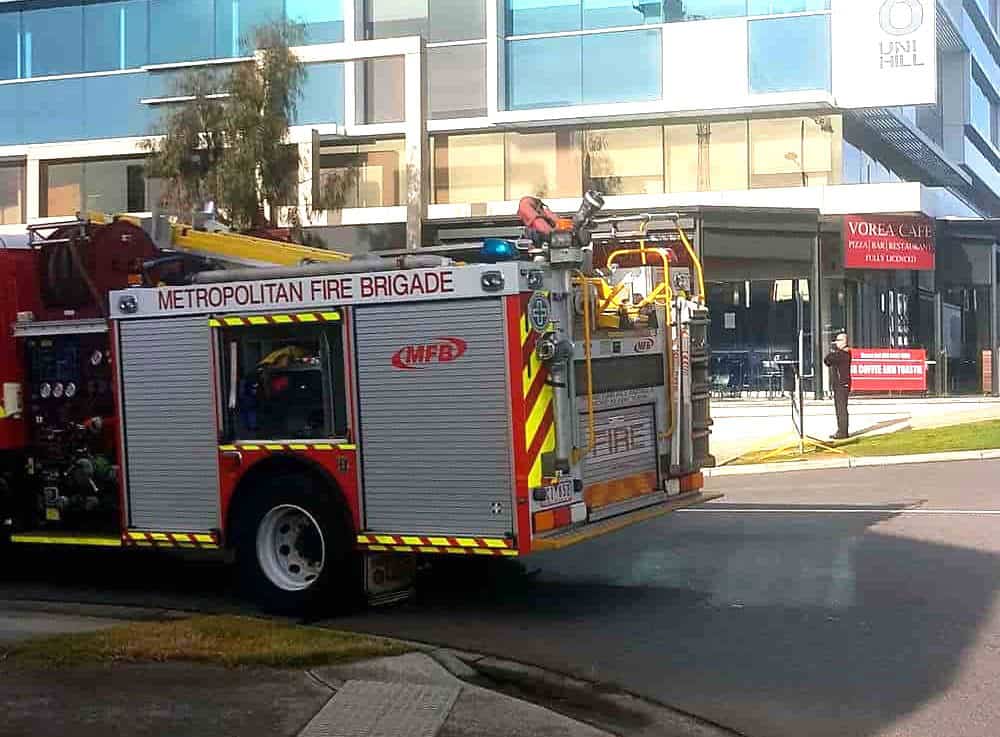
New documentary “Breaking Point” is a curious mix of propaganda, lobbying, whistleblowing, fear, stress, with an occupational health and safety (OHS) undertone. According to Victorian firefighters, they are being sent to fight fires and save lives with equipment that is known to be faulty—a problem that could easily be solved.
Category: hazards
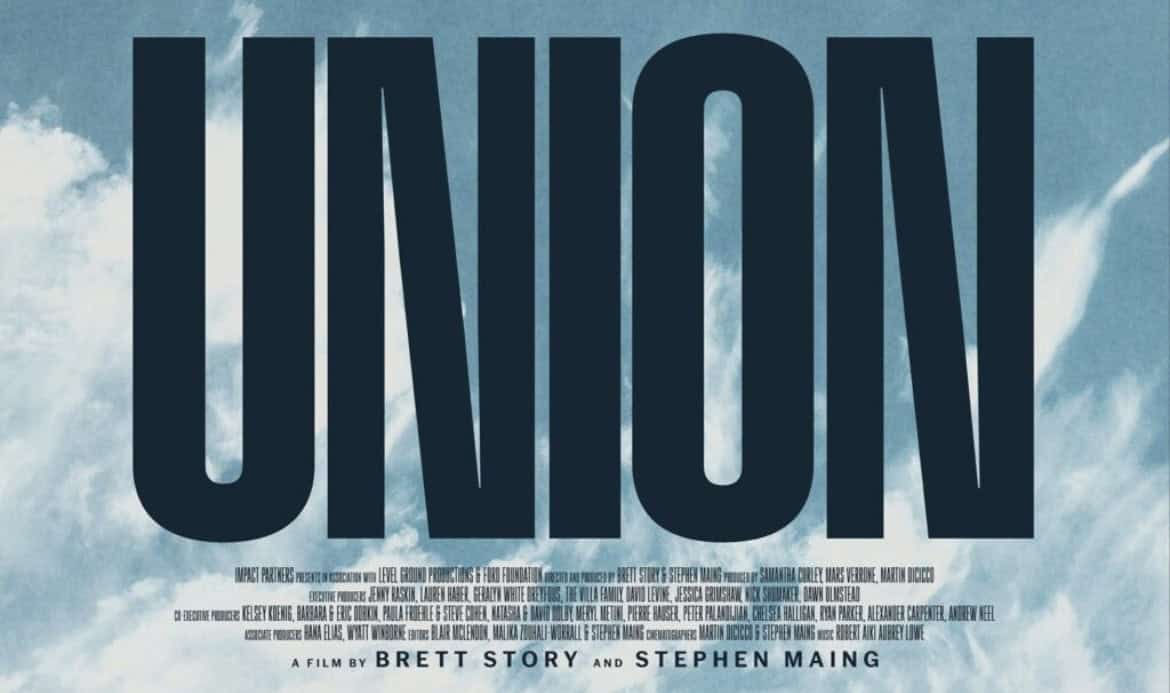
Assessing ‘Union’: A Missed Opportunity in Safety Storytelling
There was a row of cheering trade union supporters in the late session of the documentary “Union” at Carlton’s Cinema Nova earlier this week. The film was showing as part of a documentary festival, and the cinema was less than half-full. The film showed an example of grass-roots union organising. There were optimism and failures, and the occupational health and safety (OHS) catalysts for the unionism were mentioned in passing.
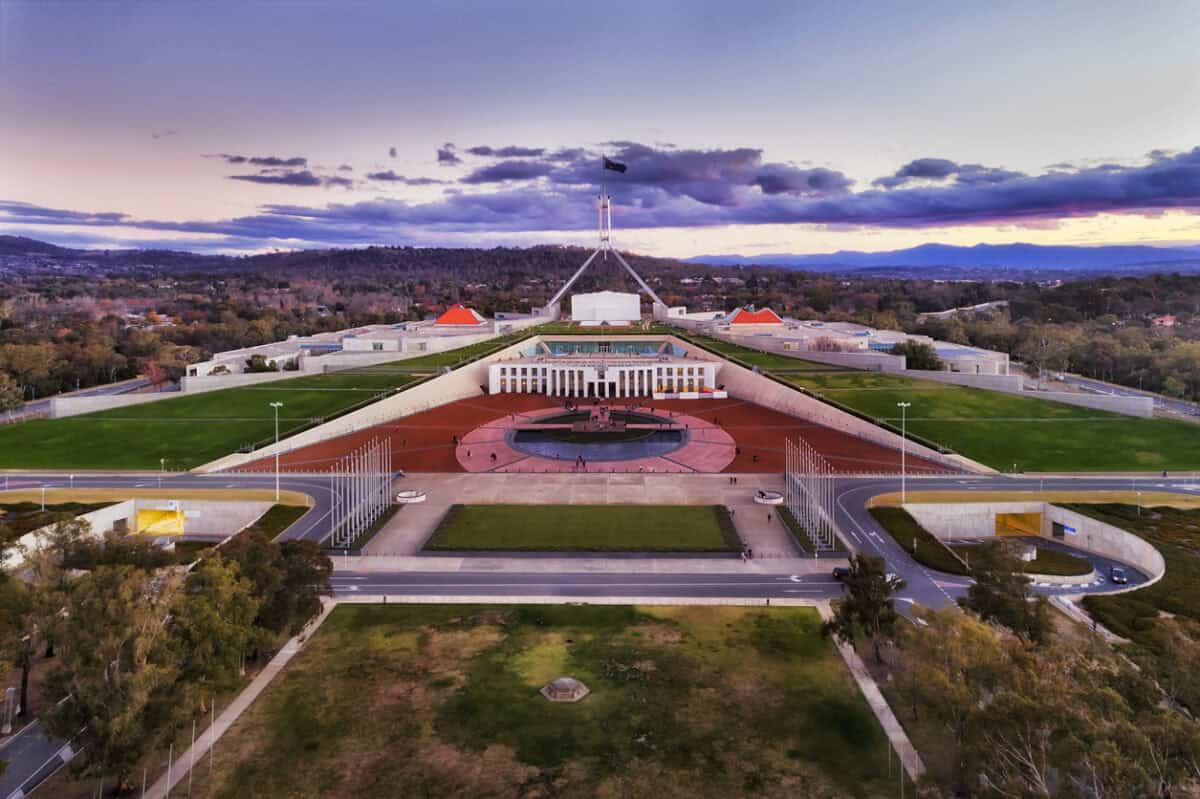
Avoiding Burnout in the Corridors of Power
Last week, some of the Nine newspapers reported on a spate of departures (paywalled) from the Australian Prime Minister’s office. There is always a constant churn of political staffers, with regular movement between private enterprise and public service.
There are some sound economic reasons for leaving just after 12 months into a new government, and the departures are not indicative of a toxic workplace, but working hours in the Australian Parliamentary and political sector have been contentious recently. This latest newspaper article notes the role of working hours but, curiously, primarily in passing.

Safety With Minimal Jargon: Tim D’Ath’s Refreshing Approach
Late last year, Tim D’Ath added to the occupational health and safety management (OHS) literature with a modern, open-minded (and short) book called “Humanising Safety”. His perspective cuts across many of the heady discussions of Safety I vs. Safety II, safety cultures, and organisational versus individual approaches… I found his clarity of advice refreshing, as he focused on core harm prevention principles while acknowledging the difficulty of communicating these principles to employers who have been taught to view OHS as a nuisance to be avoided whenever possible.
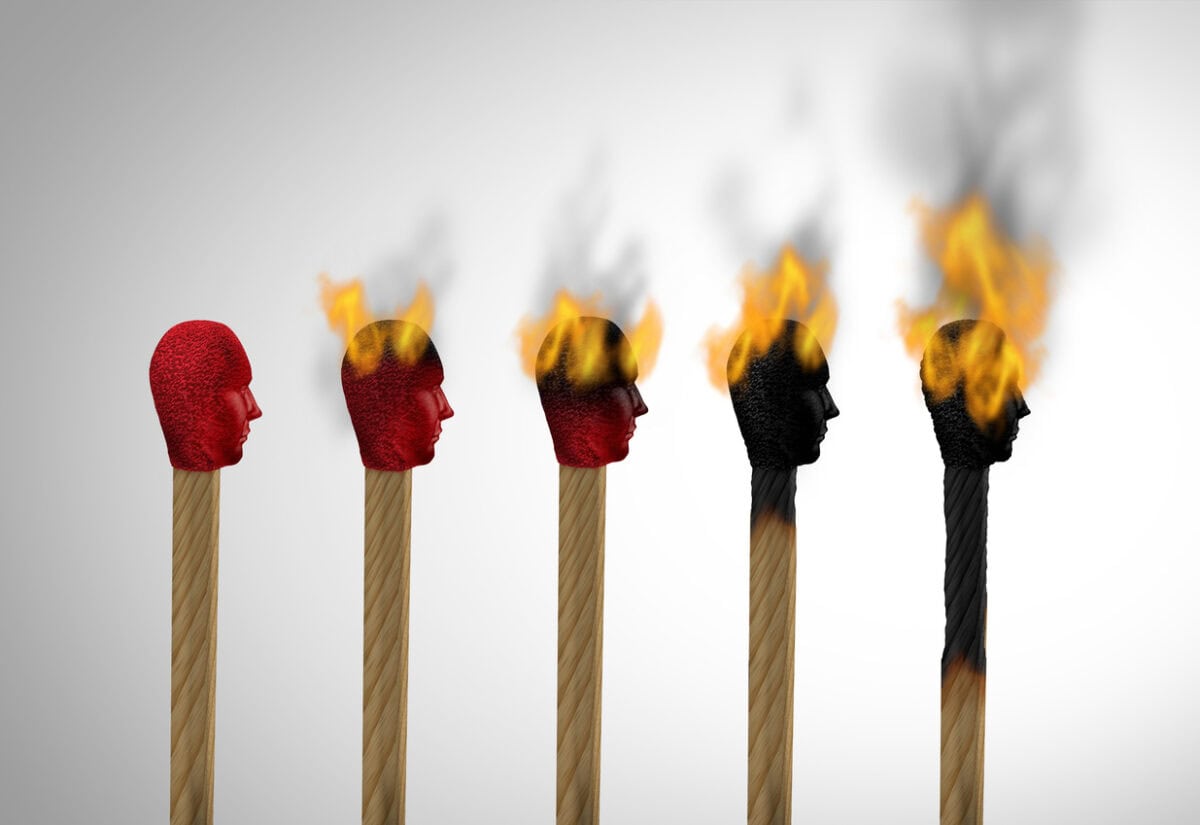
Burnout Lessons CEOs Still Haven’t Learned
Business newspapers and websites often report on executives revealing their own burnout and how they have changed their lives as a result. The changes they make indicate their decisions that led to their mental health crises and epiphanies. But executives lead by example, so how many of the employees are emulating the executives’ mistakes? Shouldn’t the executives redesign their companies’ systems of work to prevent anyone else from suffering from burnout?
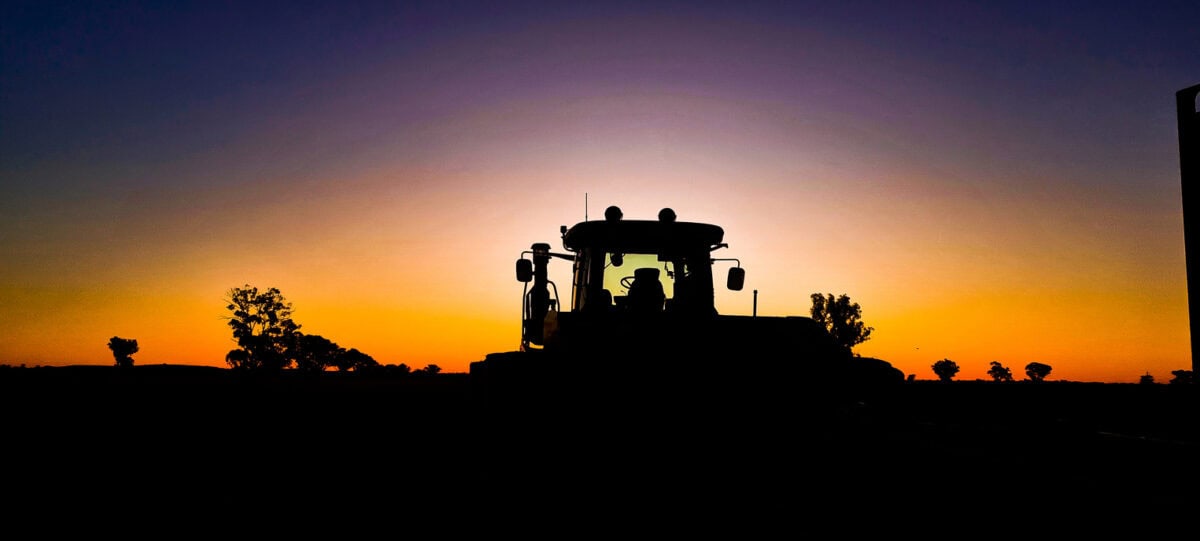
Reading behind the rows of Australia’s injury dashboard – farm fatalities or poor choices?
Australia now has a Rural Media Farm Injury Dashboard, which shows the location of agricultural injuries and deaths from 2020 onwards. This is the type of publicly available information required to help reinforce an awareness of the dangers of farm work and demystify and destigmatise occupational health and safety (OHS) in this sector.
There are limitations, though, so one must be careful not to hyperbolise the data.
Note: This article mentions suicide.
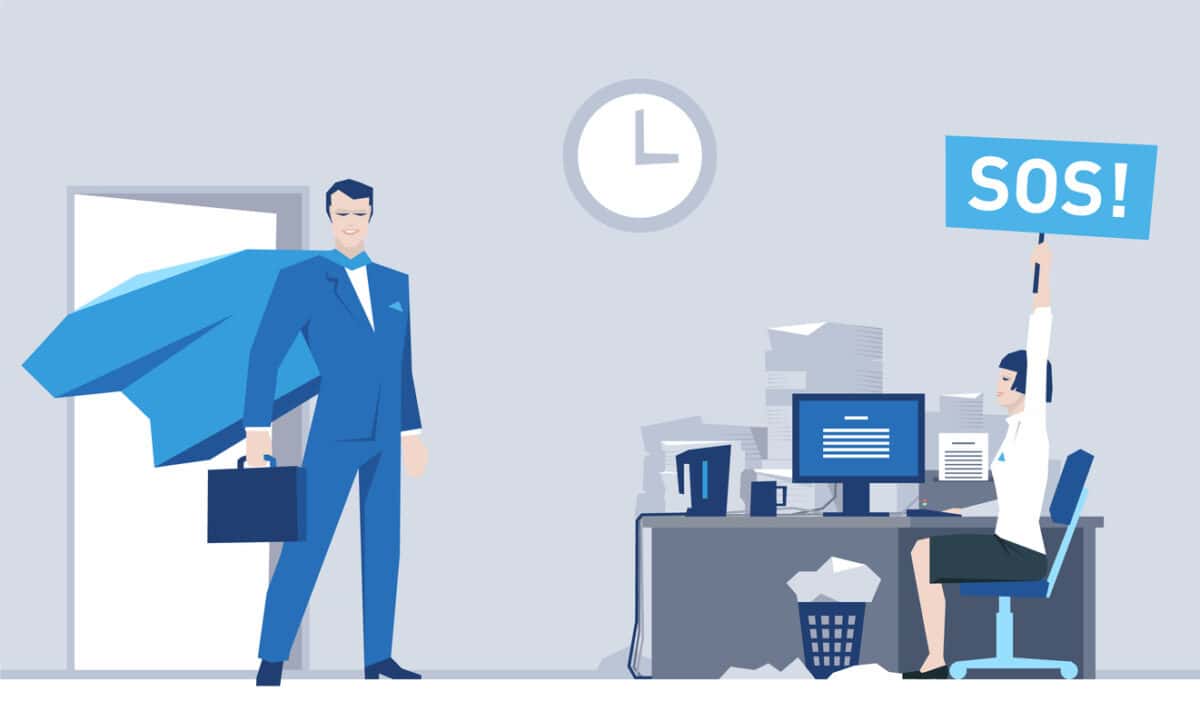
Endorsing Exploitation? The Legal and Moral Blindspot in the Long-Hours Hustle
Recently, the Wall Street Journal (WSJ) published an extraordinary article that seems to endorse the exploitation of the mental health of workers. (Although the article is paywalled, it is getting a run in some local Australian newspapers) The article reports that companies like Shopify, Solace Health, and Rilla are bluntly marketing roles that involve extreme hours, a relentless pace, and minimal downtime.
One job post literally reads: “Please don’t join unless you’re eager to work 70 hours a week.”
If the job ads for these prominent North American companies were posted in Australia, the unsafe working conditions would likely be deemed illegal.