
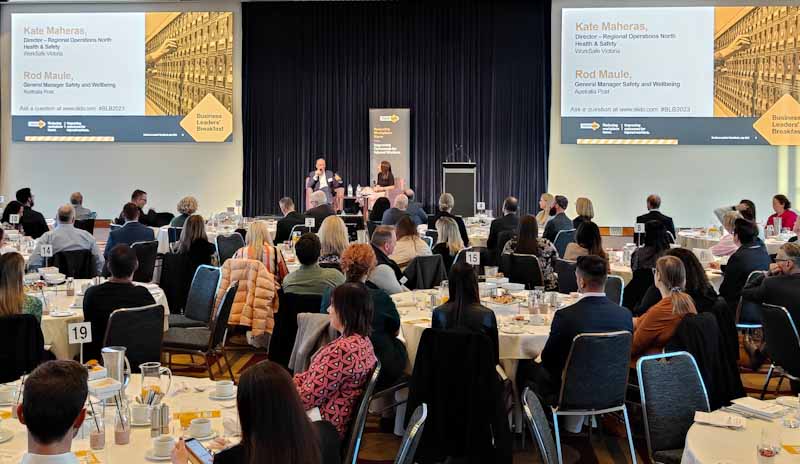
The WorkSafe Victoria Business Leaders Breakfast earlier this week offered a chance for interested parties to hear from WorkSafe and its guest Rod Maule, the General Manager of Safety and Wellbeing at Australia Post. WorkSafe’s Colin Radford offered a “stump speech” that, although familiar, was important. Maule was a colourful speaker who, on reflection, wasn’t as informative as he seemed at the time.
Category: health
You can lead an employer to the law, but you cannot make them comply
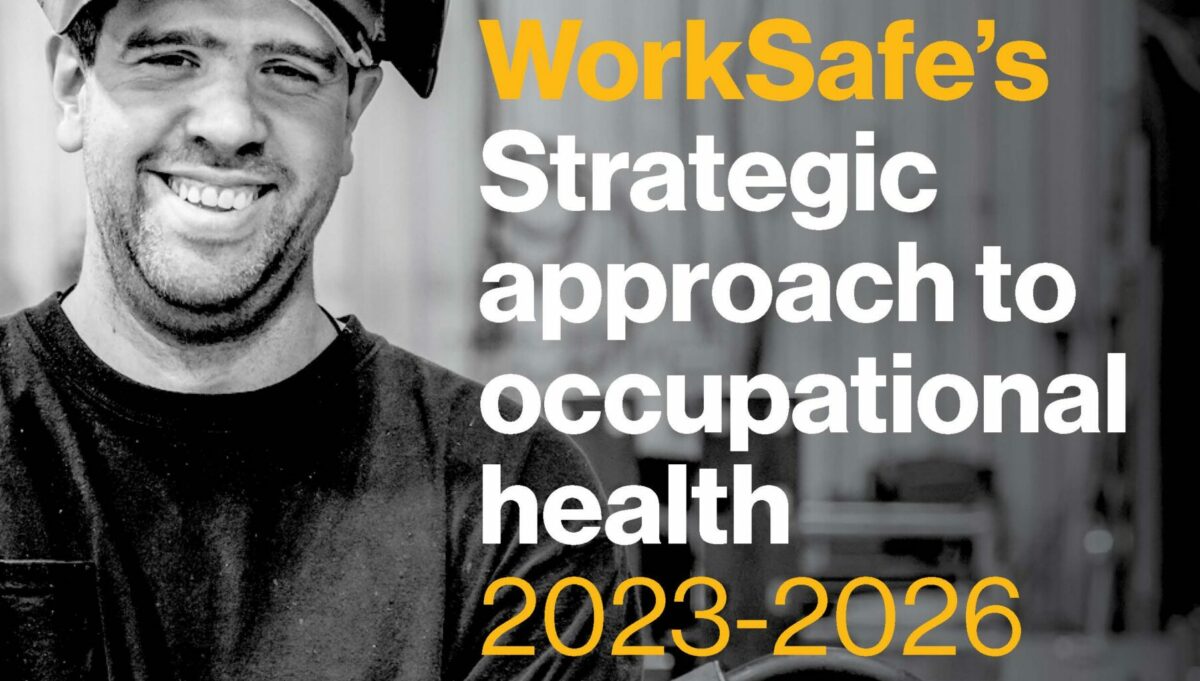
Recently WorkSafe Victoria distributed two strategy documents to one of its reference groups. (They are not yet publicly available.) SafetyAtWorkBlog has seen the “Strategic approach to occupational health 2023-2026” and “Transport Fatality Prevention Strategic Approach 2023-2026”. The first includes the following occupational health categories:

Learning of ourselves from others
Adam Goodes will be a featured speaker at the 23rd World Congress of Health and Safety At Work in Sydney, Australia, in November 2023. My initial response was, “What does he know about workplace health and safety?” This question is perhaps more indicative of my limited perspective of occupational health and safety (OHS). I have discussed my question with several people over the last week and have a partial answer to my question, but, as is often the case in OHS, more questions arose.

From mindful back to careful
It seems that being “mindful” is now more commonly advocated than being careful. “Mindful” has become the equivalent of “careful”, but these words have different meanings and are not interchangeable. Occupational health and safety (OHS) laws impose a Duty of Care, not a Duty of Mind.
Much of the social media discussion on Mindful vs Careful seems to originate from parental sites or well-being advocates. One example can be found here in a discussion of a child’s reaction to each of these words.
Continue reading “From mindful back to careful”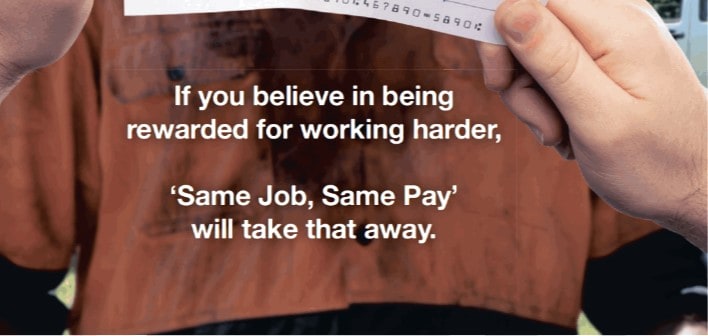
When “hard work” often means unsafe work
Currently, many large Australian business groups are lobbying the federal government over its plans to introduce legislation to ensure that workers achieve the same pay rate for doing the same job as others. A feature of the full-page advertisement in the newspapers is that people should be able to receive more money or a higher rate of pay if they “work hard”. This phrase is never explained but may have implications for occupational health and safety (OHS).
What to do about workplace mental health? Talk, Listen, Examine
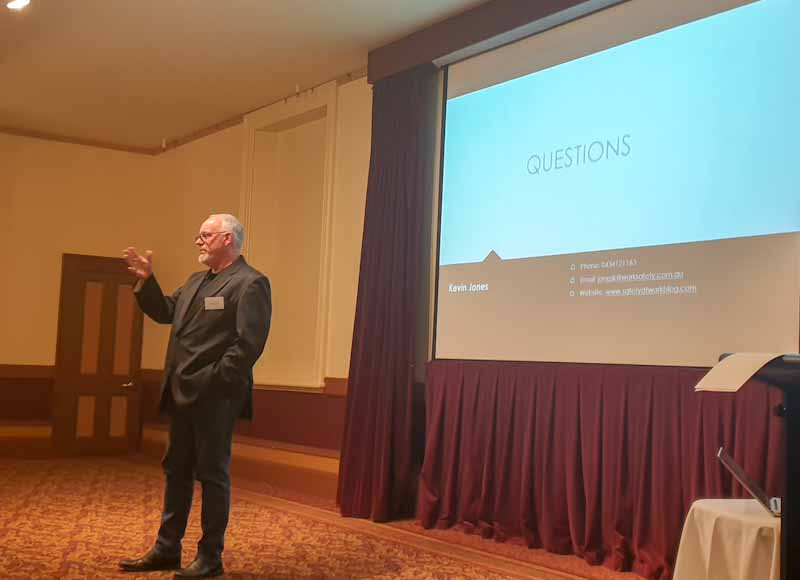
Seminars on workplace mental health must always offer solutions and not only (always) the solution that the host wants to promote. Occupational health and safety (OHS) needs to be more altruistic (Yes, it may be hypocrisy from a subscription blog). Recently I spoke on the issue of psychosocial hazards at work and offered this slide on “What can be done?” [Note: This article discusses suicide]
Continue reading “What to do about workplace mental health? Talk, Listen, Examine”
Progressive mental health perspectives continue to emphasise workers’ need to change
This blog has been critical of many current strategies to reduce workplace mental health risks. Many strategies continue to be based on changing the worker rather than changing the system of work. The well-being advocates who have almost entirely focussed on individual-level interventions are broadening their scope to organisational or systemic resilience, but they still fail to meet the harm prevention aim of amendments to the occupational health and safety (OHS) legislation in Australia.
Dr Lucy Ryan of the University of East London recently wrote about burnout and systemic resilience.