
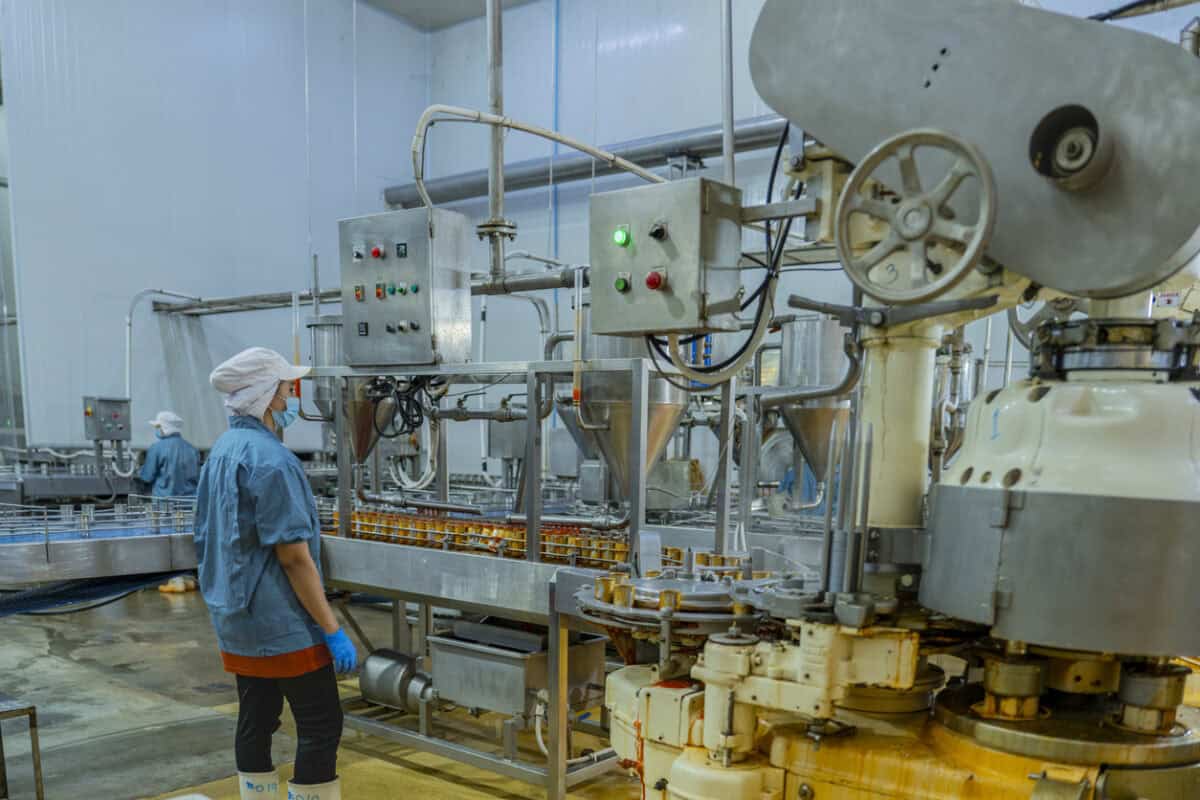
The Australian Government is committed to increasing the manufacturing sector through its Future Made in Australia strategy and legislation. To participate in the program and receive funds or tax incentives, companies must meet the Community Benefit Principles, including providing safe and healthy workplaces.
Category: innovation
Limitarianism, Greed and OHS
Over coffee with colleagues yesterday, I spoke a lot about the sociological context of work and occupational health and safety. I realised I was echoing many of the points I made in an article from February 2024, so I revisited that article on Limitarianism and produced this short 5-minute summary of the issue.

Are emotion and anger also types of energy?
One of my previous employers was highly committed to occupational health and safety (OHS), but always gave the program, the schedule or utilisation a higher priority. Whether that was a justifiable compliance level was of little concern, as long as the auditors recertified the OHS management systems. The company realised their approach to OHS was not working, so it turned its focus on “critical risks”, which were, bluntly, anything that would kill you. But such was the strength of the culture that even this focus on critical risks failed to cut through and give OHS the respect that it legislatively deserves.
Matthew Hallowell‘s latest book, “Energy-Based Safety – A Scientific Approach to Preventing Serious Injuries and Fatalities (SIFs)“, discusses this focus on critical risks.

Are the Business Council’s Objections to Working From Home Changes Genuine?
Victoria’s consultation on its work-from-home proposals closes this weekend. The government has claimed over 18,000 submissions and interactions, but none of them are yet publicly available. The Business Council of Australia (BCA) has garnered recent media attention, pre-empting the closure of the consultation. The BCA could have a more mature discussion on the concept and practice of working from home, but perhaps it realises that the argument has already been lost.
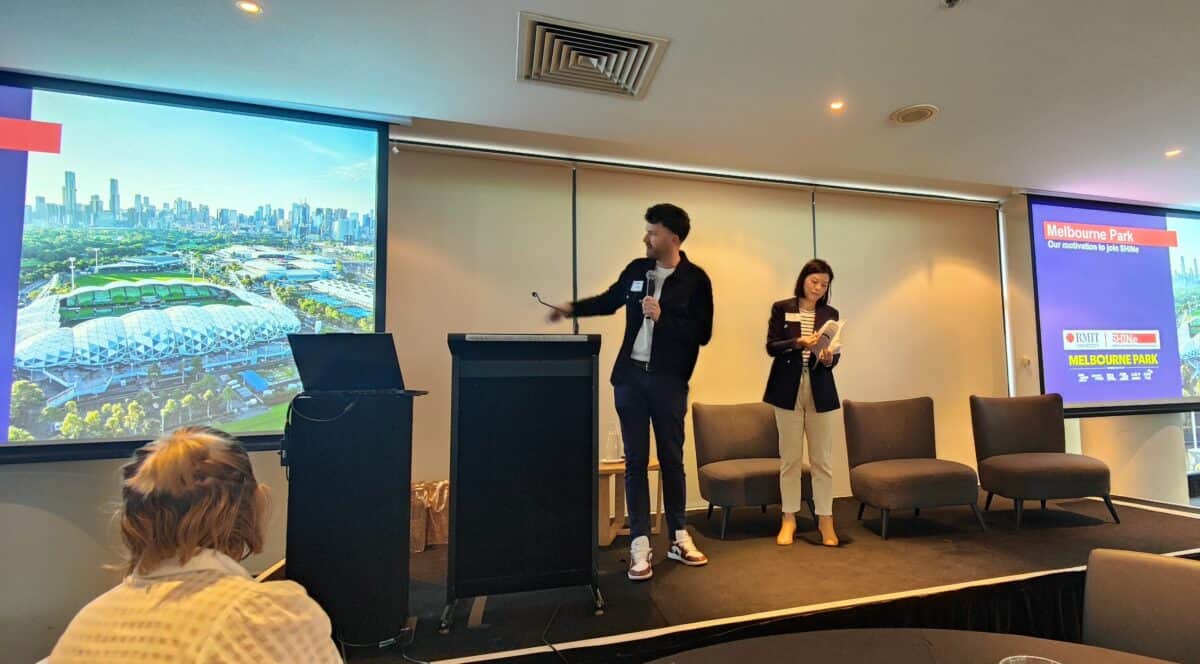
Insights and Innovation from the 2025 Victorian Safety Symposium
The Australian Institute of Health and Safety (AIHS) state branches conduct local single-day symposia annually. These networking and professional development sessions are important opportunities for practitioners of occupational health and safety (OHS) to connect and learn.
The good presenters were very good at the Victorian Branch symposium in September.
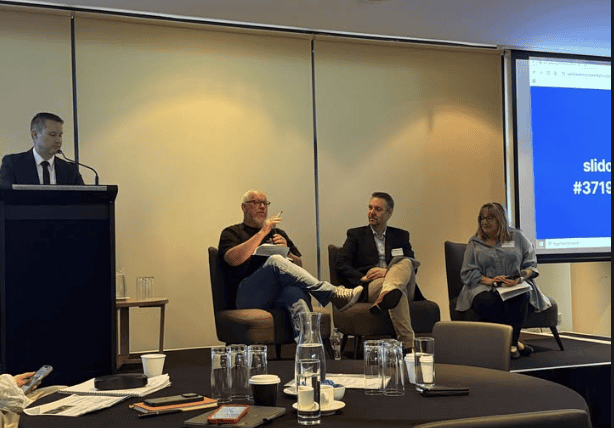
Beyond Compliance, Rethinking Safety Culture and Legal Reform
Earlier this week, I was a panellist at an occupational health and safety symposium organised by the Victorian Branch of the Australian Institute of Health and Safety. We were asked to be challenging and provocative in our perspectives on the evolution of OHS and OHS law in Victoria since the start of the century.
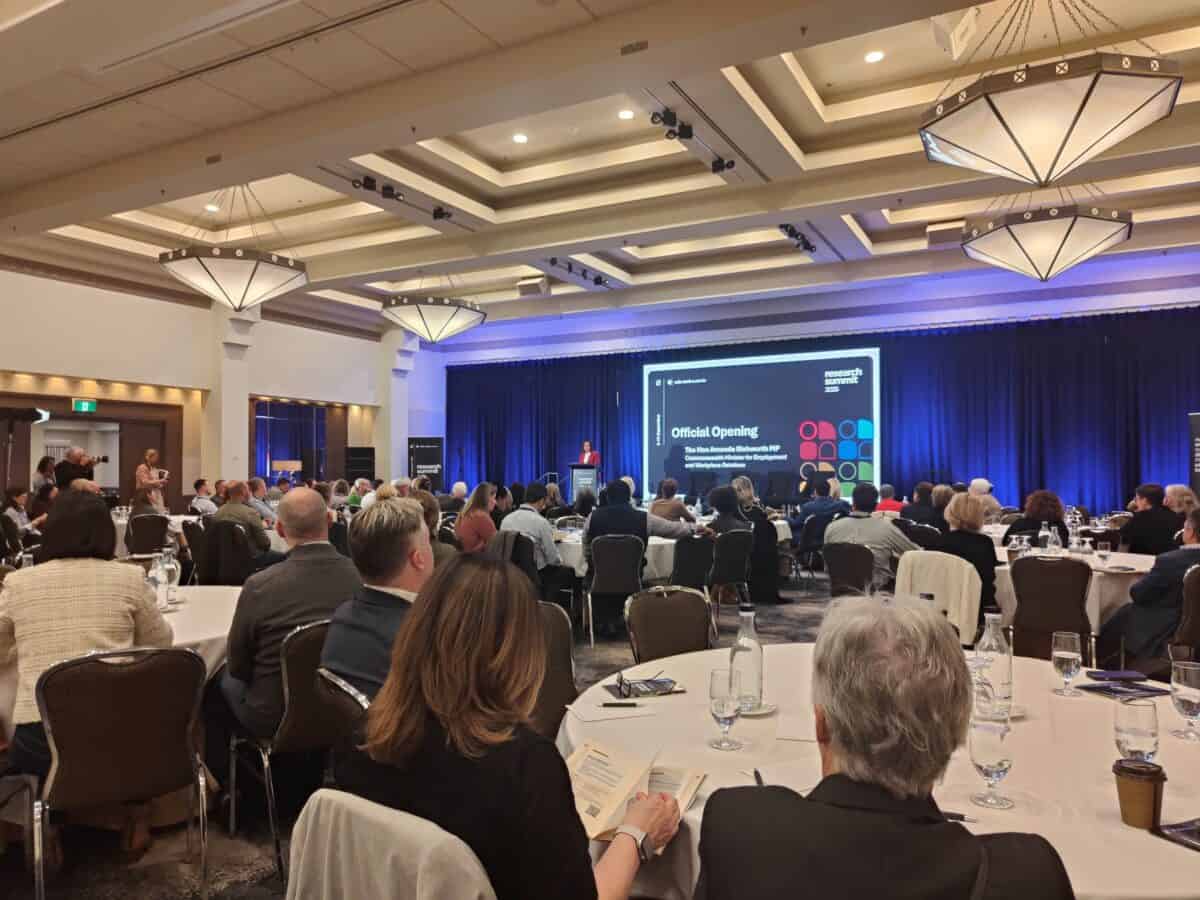
15 SWA Research Summit Ideas and a Translation
Although I have expressed concerns about the application of AI data analytics at the recent Safe Work Australia (SWA) Research Summit, I think it is important to list the 15 Leading Ideas that the analysis process identified from the summit. Some of these will seem like the bleeding obvious, but these outcomes will inform SWA’s research agenda and strategy.