
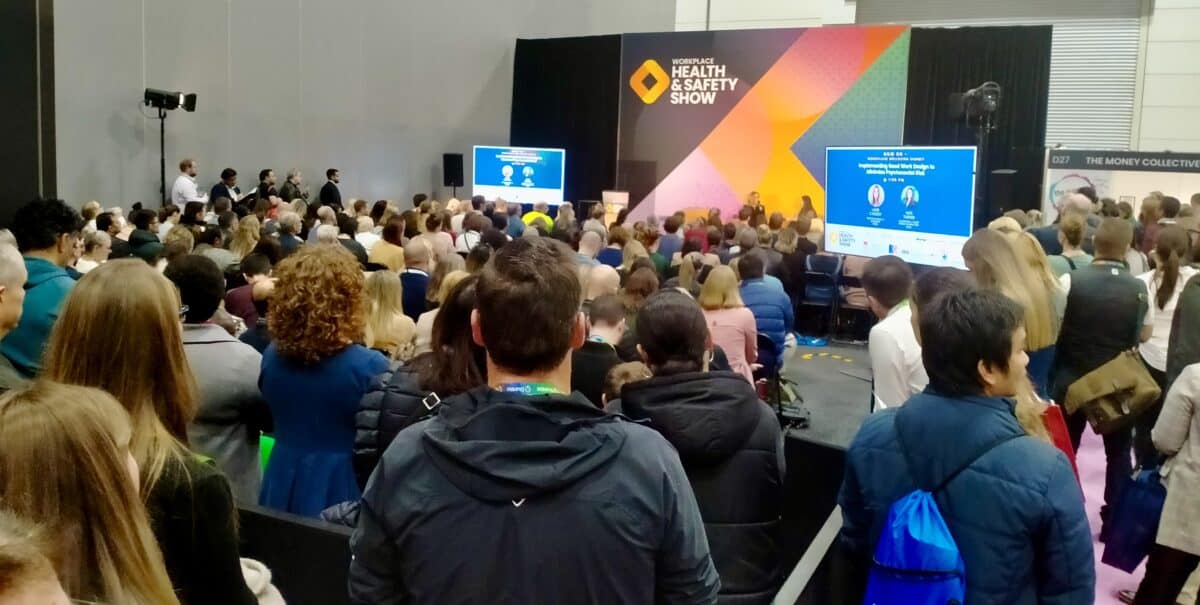
Victorian businesses and occupational health and safety (OHS) people are hungry for advice about managing psychosocial hazards at work if the scenes at today’s Work Health and Safety show were any indication. The sad part of the popularity of the topic is that some of the advice being given is wrong or outdated.
Continue reading ““Human sacrifice, dogs and cats living together… MASS HYSTERIA!””Category: law
Day One – more useful than not
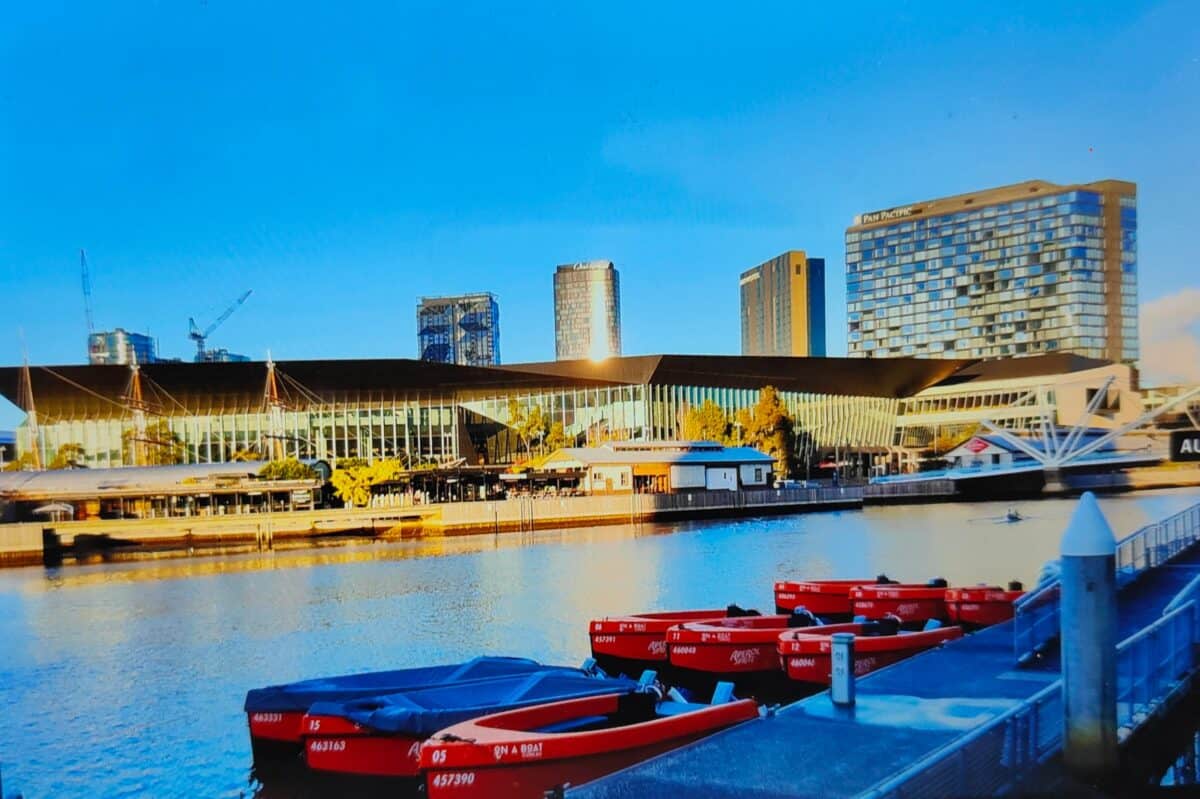
A short report on Day One* of the Australian Institute of Health and Safety’s (AIHS) National Conference in Melbourne. Given a previous blog article asking for new thinking, new approaches etc. Has the Day One satisfied me? Selectively, Yes.
The keynote speaker, Richard De Crespigny had an extraordinary tale to tell about safely landing a heavily damaged passenger aircraft over a decade ago. Some delegates would have been familiar with De Crespigny’s presentation as many of his points had already been made in a recent article in the AIHS’ journal. More on his presentation in a future article.

International Conventions are attractive but largely academic
Last week, Australia’s Parliament released an information paper on a “National Interest Analysis” of International Labour Organization Convention No. 187: Promotional Framework for Occupational Safety and Health Convention adopted in Geneva on 15 June 2006. Does this mean anything to the local occupational health and safety (OHS) profession? Yeah, Nah, Maybe.
Hazard over Harm?
The Australian Institute of Health and Safety has been dropping new chapters of its Occupational Health and Safety (OHS) Body of Knowledge for many years. The latest revised chapter is titled “Hazard as a Concept“. This process is a good way of keeping some OHS information fresh, but it could be fresher and have a broader knowledge base or even greater engagement with OHS professionals.
Different OHS messages to different audiences
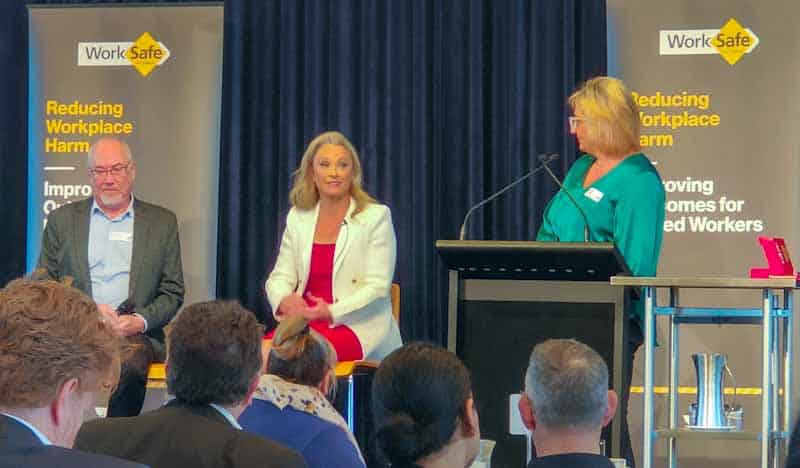
Last week, WorkSafe Victoria held its annual Business Leaders’ Breakfast. The keynote speaker was Karen Maher, who spoke about the need for an effective and respectful workplace culture that would foster a healthy psychosocial environment. Her presentation would have been familiar to many of the occupational health and safety (OHS) and WorkSafe personnel in the audience, but it may have been revolutionary for any business leaders. Maher outlined the need for change but not necessarily how to change or the barriers to change.
The event did provide a useful Q&A session and afforded the new WorkSafe Victoria CEO, Joe Calafiore, his second public speaking event in a week.
The Spiritualism of HR
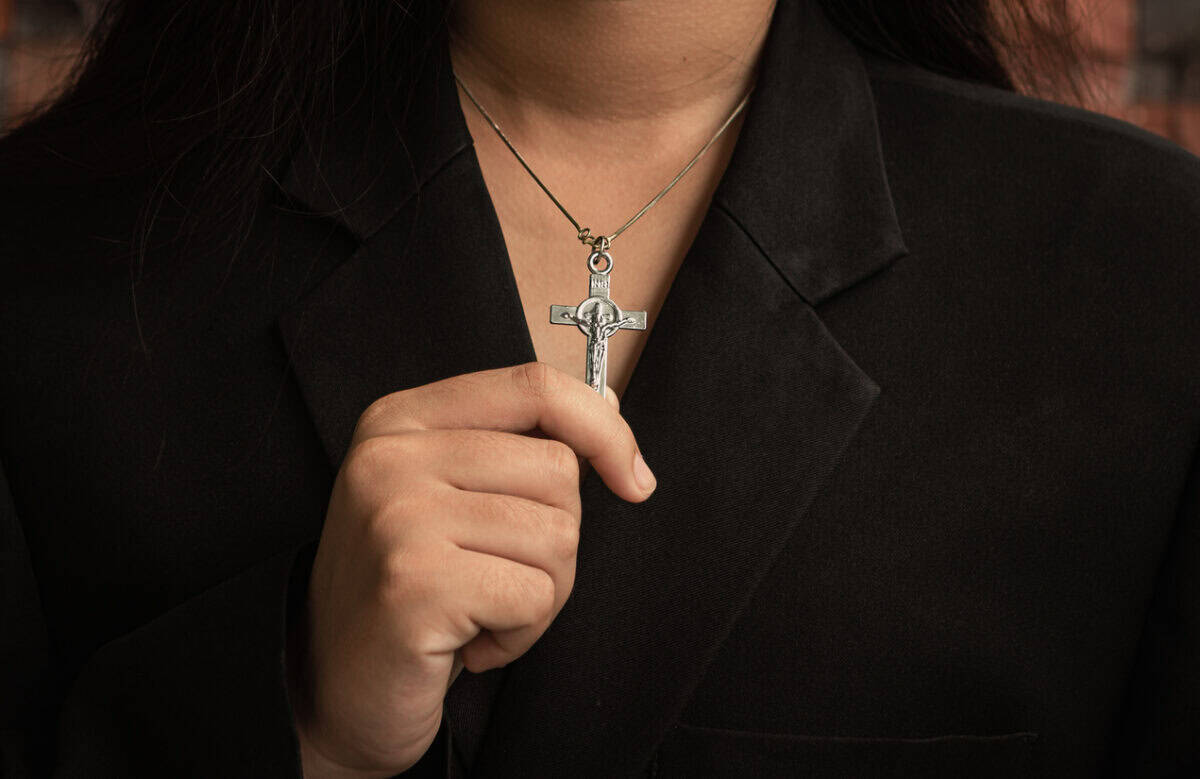
“Trust us” is one of the riskiest phrases anyone can use. It may be even riskier to accept it. In workplaces, it is often the start of a relationship, but it can also be the start of betrayal. Part of the risk in starting any new job is that new employees must accept their introductions in good faith, and most introductions are handled by the Human Resources department but is that faith misplaced? Recently, one socialist journal from the United States (yes, the US has a socialist sub-culture …. for the moment), Jacobin, included an article about HR in its religion-themed edition (paywalled).
UK’s fit note initiative is a short-term attempt at a fix
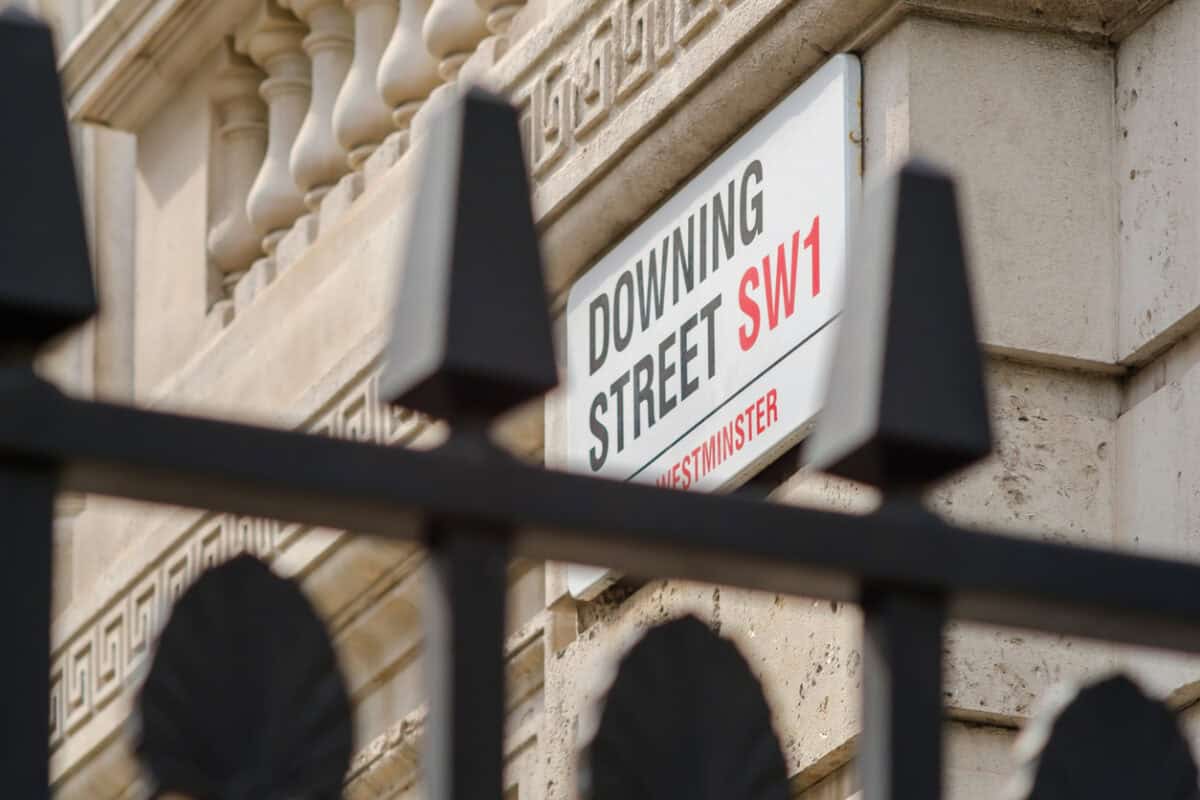
On April 19 2024, United Kingdom’s Prime Minister Rishi Sunak made a major speech about welfare reform and mental health. The UK has a strong tradition of public health support through its National Health Service, which always seems to be underfunded and under-resourced but holds huge cultural and medical significance in the community. Mental ill-health has increased enormously over the last decade, as it has in countries like Australia, which is currently undergoing significant industrial relations reforms. However, what is missing from the PM’s speech and some of the subsequent analysis is that work is controlled by employers, so what does PM Sunak expect employers to do to help?