Off-centre perspectives can offer great potential

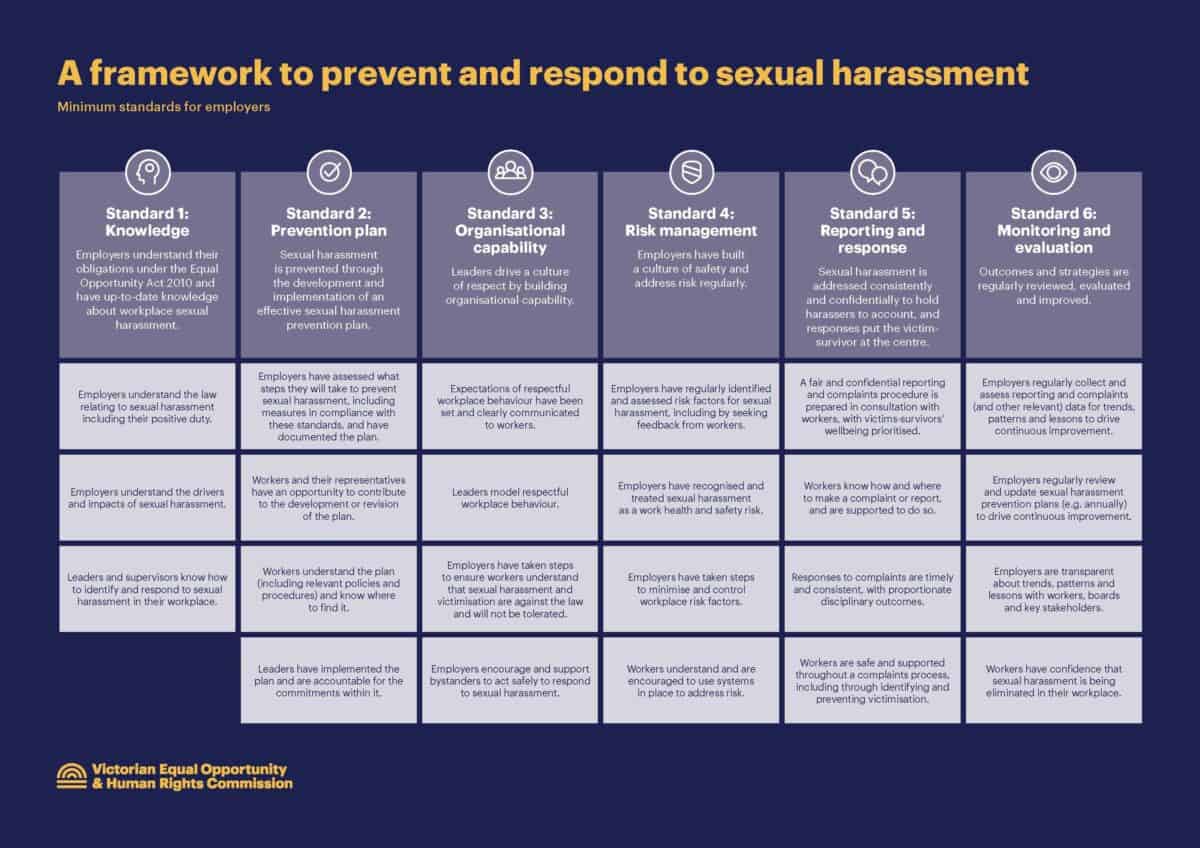
The Australian government has failed to follow through on its early promises to provide a framework for employers to prevent and reduce sexual harassment in their workplaces. This failure is being interpreted as revealing something about employers’ attitudes to occupational health and safety (OHS) and their own legislative duties.

Employers (and other groups on non-OHS issues) who look to the government for guidance on issues that already have legislative requirements are looking to avoid the social and legal obligations that have usually existed for years. Sexual harassment is an excellent example of a workplace matter getting some serious attention regardless of the government’s inaction. A recent podcast by Maddocks lawyers Catherine Dunlop and Tamsin Webster is part of that attention.

Subscribe to SafetyAtWorkBlog to continue reading.
Subscribe Help
Already a member? Log in here

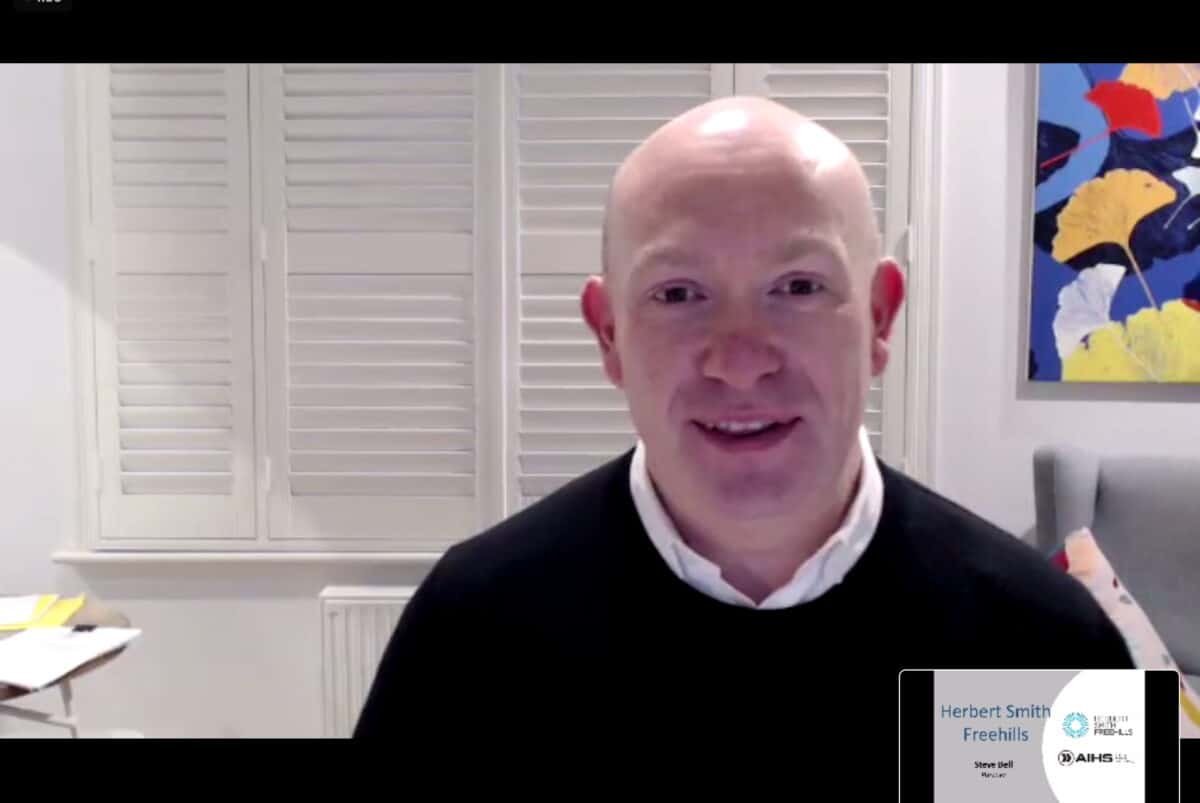
Steve Bell outlines the challenges for the OHS profession and Regulators

Almost every year, for a couple of decades, Herbert Smith Freehills (HSF) and the Australian Institute of Health and Safety (AIHS) have conducted a breakfast seminar to “launch” the year. That schedule has been cocked up by COVID-19, but the events continue.

The August 2021 breakfast featured several of the usual speakers but with the omission of the Minister for Workplace Safety or a senior representative of Worksafe Victoria. As a result, the event dragged a little. Most of the information was useful, but the event lacked the spark it often has. Perhaps this was the online format, perhaps the mix of speakers, perhaps the 90-minute length.

Subscribe to SafetyAtWorkBlog to continue reading.
Subscribe Help
Already a member? Log in here

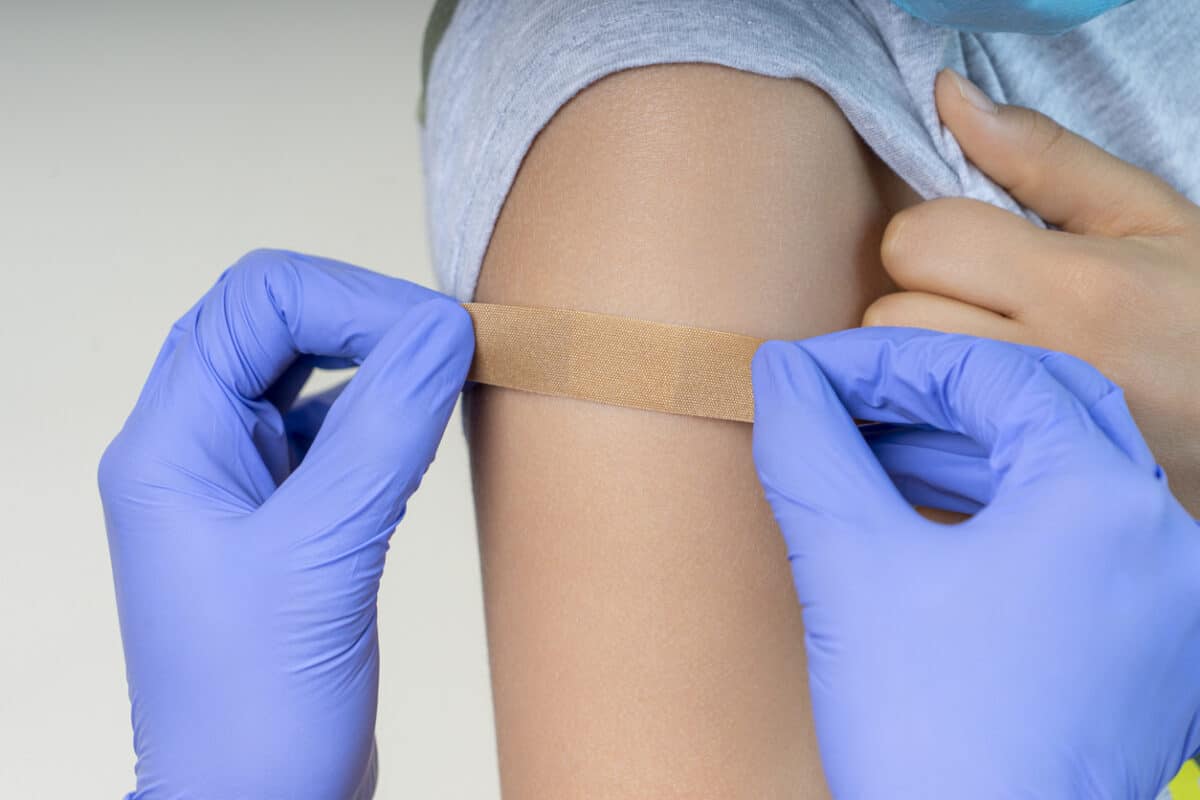
Why would you NOT make COVID vaccinations mandatory?

Now that Australia is vaccinating its people at a reasonable rate from a very slow start, the issue of mandatory vaccinations for workers has reappeared. Several months ago the issue was more hypothetical but evidence has appeared from England, the United States and Israel about vaccination rates and the resumption of business and work. Australian businesses need to reach a clear position on vaccinations and the return of employees to workplaces, and this will require an assessment of the ethics applied by employers.

The occupational health and safety (OHS) position is remarkably clear but is not really being heard or promoted.

Continue reading “Why would you NOT make COVID vaccinations mandatory?”

Law firms are a focus for sexual harassment reforms

This year coverage of The Australian newspaper’s annual Legal Partnership Survey has focused on the number of women partners in law firms. This increase has generated discussion on sexual harassment, which has revealed some of the activities that law firms use to prevent the psychological harm (and brand damage) from sexual harassment; many strategies that are already very familiar to the occupational health and safety profession

Sex Discrimination Commissioner Kate Jenkins has been paraphrased in the article (paywalled), saying

Non-disclosure agreements should be used to protect people who have been the subject of sexual harassment, rather than to reduce brand damage to organisations…..”

[link added]
Subscribe to SafetyAtWorkBlog to continue reading.
Subscribe Help
Already a member? Log in here

OHS subtext in Industrial Manslaughter discussions

Senator Deborah O’Neill continued her attack on Australia’s Liberal/National party government in Senate Estimates hearing last week.

With the Work Health and Safety (WHS) ministers split on the introduction of an Industrial Manslaughter (IM) offence in the Model WHS laws, Senator Michaelia Cash, Attorney-General, Minister for Industrial Relations and chair of that WHS meeting, could have voted in favour of these IM changes but declined. O’Neill saw this as a political weakness and challenged Senator Cash to justify her decision. The justifications, with a hint of arse-covering, were morally weak but legally sufficient. At one point, Senator Cash said:

“… a fundamental principle of work health and safety regulation in Australia, as you would be aware, is that liability should focus on risk, not outcome, because the evidence shows that when you focus on risk, as opposed to outcome—and the outcome that you are referring to here is a terrible outcome: a death in a workplace—it’s been proven to actually improve health and safety in workplaces.”

Hansard, June 2, 2021, page 8
Subscribe to SafetyAtWorkBlog to continue reading.
Subscribe Help
Already a member? Log in here

Prevention is better than cure

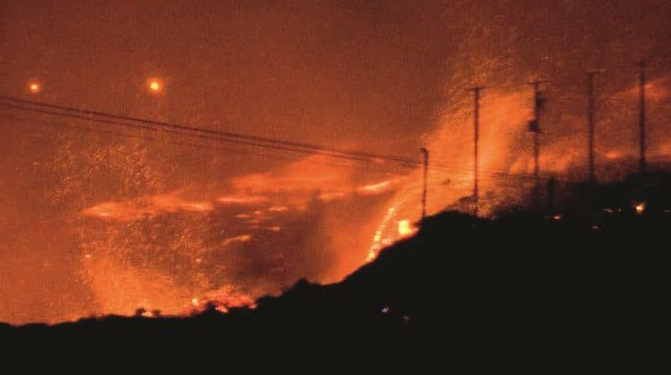
The Hazelwood Mine Fire was a public health tragedy with an occupational context beyond the prosecution by WorkSafe Victoria. A clear example of the workplace risks was the fire-fighting efforts and the subsequent health impacts of David Briggs. According to a media release from the Maurice Blackburn law firm, Briggs had his successful WorkCover claim upheld by the Victorian Supreme Court last week.

Briggs has been mentioned several times in this blog’s coverage of the Hazelwood Mine Fire Inquiry and the writing of Tom Doig on the catastrophe. His case should cause some very uncomfortable questions.

Subscribe to SafetyAtWorkBlog to continue reading.
Subscribe Help
Already a member? Log in here

The hill that OHS needs to climb for respectability remains a mountain

The current Australian debate about sexual harassment at work illustrates the forces ranged against occupational health and safety (OHS) being seen as a legitimate approach to preventing psychological harm. Entrenched Industrial Relations perspectives appear to be the biggest barrier. Such barriers are not always intentional and have evolved over years and decades as cultures and ideologies do. Some of the recent media coverage on the release of the Federal Government’s response to the report of the 2020 National Inquiry into Sexual Harassment in Australian Workplaces illustrates the dominance of industrial relations thinking – part of the reason Sex Discrimination Commissioner Kate Jenkins has described elements of the government’s response as a missed opportunity.

The OHS profession must start to overtly tackle each of these dominant perspectives.

Subscribe to SafetyAtWorkBlog to continue reading.
Subscribe Help
Already a member? Log in here
Concatenate Web Development
© Designed and developed by Concatenate Aust Pty Ltd