
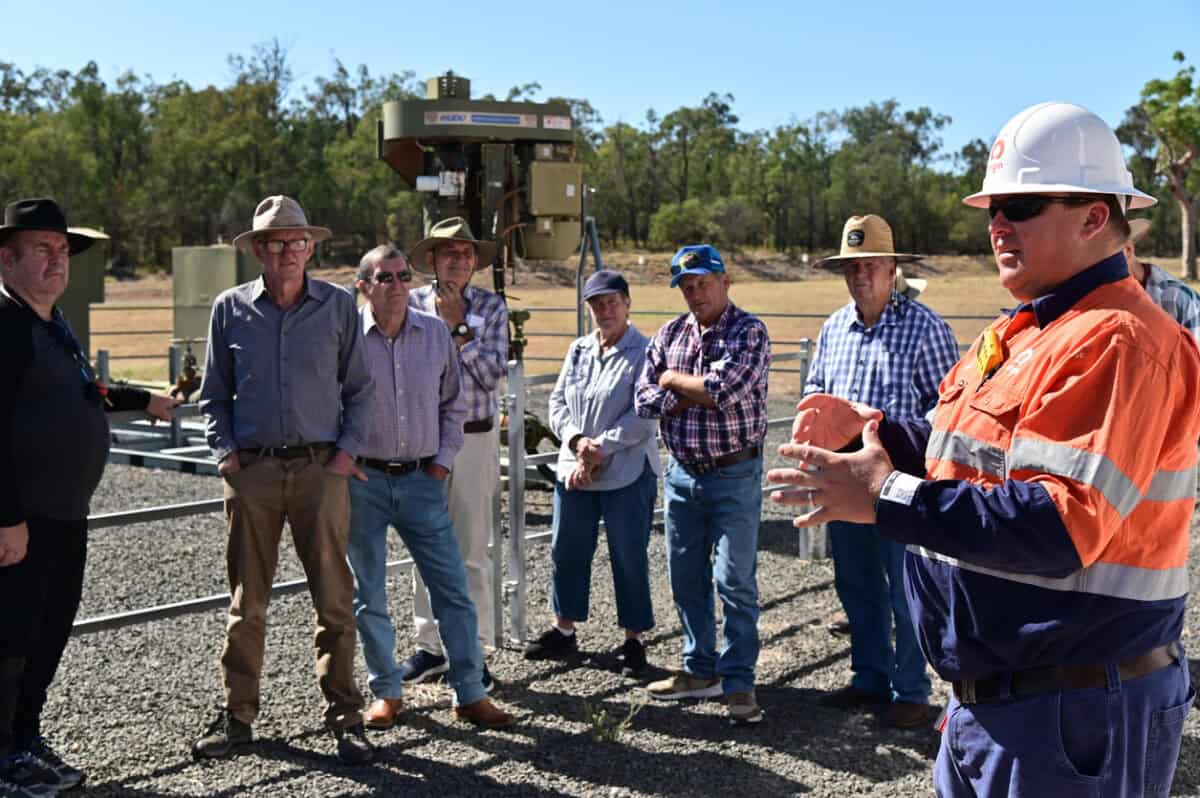
Lisa Leong has followed up her This Working Life podcast with a more detailed look at the practicalities of addressing work-related psychosocial hazards with Dr Laura Kirby. It is worth listening to, but there is a term repeated in the podcast that needs examining – “leader”.
Category: Leadership
Australia’s Safety Blindspot
Australia’s Economic Roundtable recycled the same institutions and failed metrics that have long masked our productivity crisis. As Amy Remeikis notes, those who shaped past policy failures now feign surprise at the fallout. Meanwhile, important drivers of productivity, such as safe and quality work, remain ignored. OHS is treated as a compliance chore, rather than a strategic asset. If the Albanese government truly wants productivity reform, it must stop listening only to the “profit class” and start measuring what matters: worker health, dignity, and contribution.
International Workers Memorial Day Speech Template
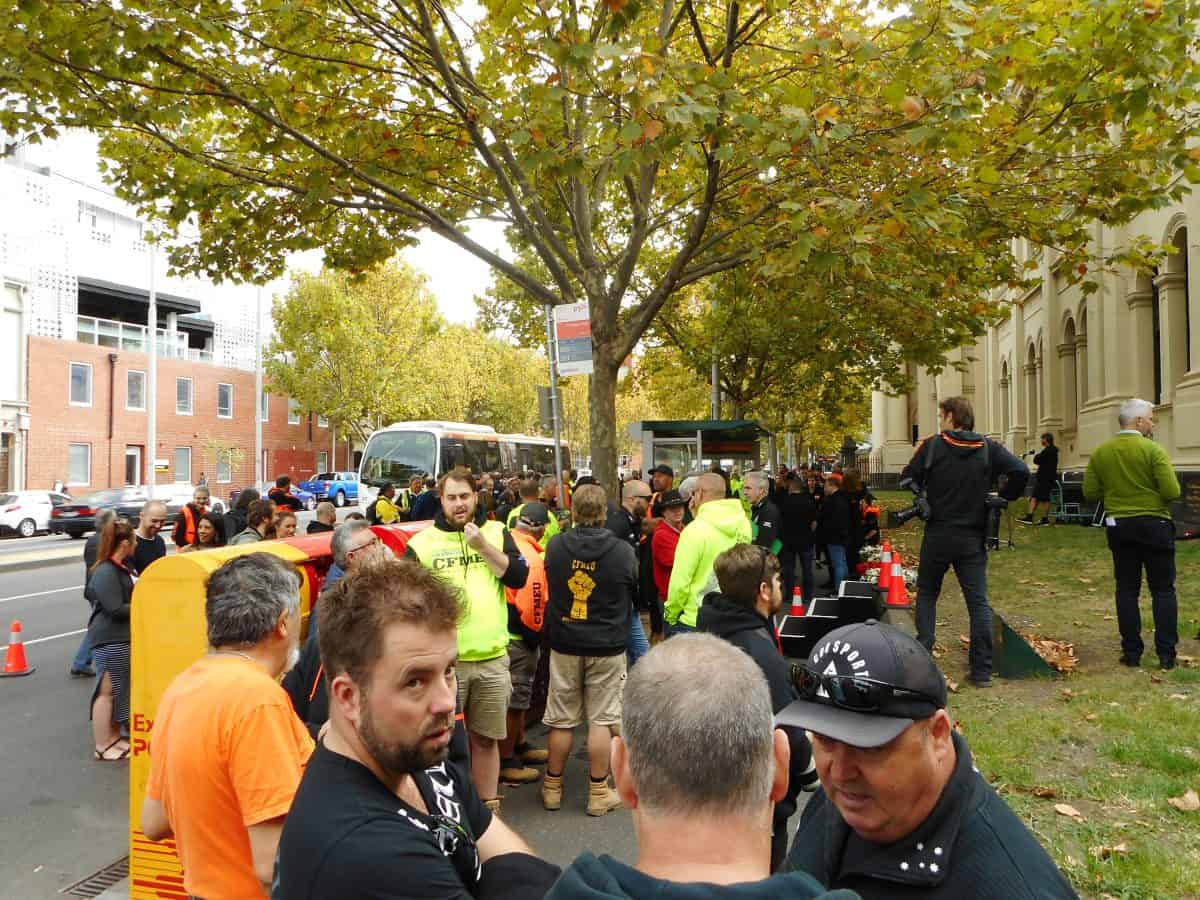
I have attended many memorials for deceased workers. Usually, a local or State politician makes a speech about the importance of occupational health and safety (OHS), and how every worker has a right to return home safely and healthily at the end of the working day. The speeches are usually clichéd, even though these words are heartfelt and sometimes sound like they have been written from a template.
So I asked an artificial intelligence program to write a speech for International Workers Memorial Day by a senior Australian politician. Below is the remarkable result.

When Safety Is Optional: The OHS Blind Spot in Childcare Abuse Reform
Improvements in safety and health at work are almost always begun after fatalities, catastrophes and scandals. This says much about the prominence of occupational health and safety (OHS) in Australian society. The latest industrial scandal is in the childcare industry. Non-compliance with safety requirements was exposed in March 2025, but now allegations of sexual abuse of babies, toddlers and children have been levelled against several workers. The industry and the governments that oversee it are struggling to identify solutions. OHS can provide a legal and managerial framework, as determined in a safety review published only last week.

Australia’s OHS Laws Are Stuck in the Past and Need a Rewrite from the Ground Up
Recently, Australia’s politics were focused on an Economic Roundtable hosted by Treasurer Jim Chalmers. Chalmers sought proactive, low- or no-cost initiatives to improve Australia’s productivity. Occupational health and safety (OHS) is rarely, if ever, discussed at these national consultations. However, if we accept, as many believe, that OHS is unnecessary red tape, does this offer an opportunity for legislative reform?

Is it possible to prevent psychosocial hazards?
The Occupational Health and Safety (OHS) legislation states that employers must eliminate hazards as far as is reasonably practicable. If you start your safety journey from this point, you will forever be frustrated in your OHS achievements and disappointed in your job. OHS may be forever linked with laws and regulations, but the safety and health of ourselves, colleagues and others is based on our personal moral code and the values we bring to our actions. OHS satisfaction comes from accepting that OHS laws are only part of our purpose
Suicidality as a Near Miss: Why Business Must Confront the Systems That Harm
Companies are being urged to increase their attention on the human impacts of incidents. This is a much-needed and delayed focus that existed decades ago but went out of fashion. Companies can achieve these changes after a lot of hard work and expense, but very little attention has been given to the institutions and government policies that perpetuate the “individual pathology” of workplace incidents. Some recent sociological research helps us see the immorality behind the status quo.