
 One of the Select Committees of the Australian Senate is conducting an inquiry into the “Future of Work and Workers” and is currently holding public hearings. There is a lot of interesting information that will affect how workplace health and safety is managed and there are some odd statements in the public submissions. However, it was the appearance of Airtasker’s CEO at a public hearing on May 4, that is genuinely scary.
Job Design
Firstly a positive statement from the
 Today the Medical Journal of Australia released a
  Excessive workplace stress in the medical profession is well documented but stress is often seen as a minor workplace hazard that is fairly easily dealt with by holidays, for instance, or is dismissed as an “occupational hazard” or part of the entry to the profession or just part of the culture, with the implication that nothing can change. Only recently have
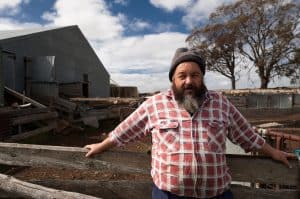 Australia’s occupational health and safety (OHS) agenda seems largely dictated by high risk industries like construction in some States and the mining sector in others. But agriculture is common to all Australia States and is consistently included in the official and unofficial workplace fatality data. New research has been released into serious farm injuries and which voices are the most effective in improving the situation.
 Australia’s occupational health and safety (OHS) profession was late to the process of certifying its members. The