Parliamentary culture must change

Australia is in the midst of a murky investigation into an alleged rape that occurred out-of-hours in an office of a Federal Minister in Australia’s Parliament House. The incident has raised discussions and debates about workplace culture, the reporting of crimes, the uniqueness (?) of the parliamentary workplace, the rights of women, the role of the media in reporting the allegations or in being complicit in the workplace culture…….

Prime Minister Scott Morrison has got himself into a pickle about how to respond, how to investigate and what he should have known and what he was expected to do. One of the actions that he and his government could do, and should have done, was to accept, and act on, the findings of the National Inquiry into Sexual Harassment in Australian Workplaces conducted by the Australian Human Rights Commission (AHRC) early last year. The relevance of this report is obvious:

Subscribe to SafetyAtWorkBlog to continue reading.
Subscribe Help
Already a member? Log in here

Workplace wellbeing, mental health and cake

Recently Australians Jason van Schie and Joelle Mitchell released a podcast series called Psych Health and Safety focussing on psychological health and health promotion at work. Recently Carlo Caponecchia spoke on the podcast about mental health at work and the soon-to-be-released International Standard 45003 for managing psychosocial risks at work, a “child” of ISO45001 the occupational health and safety (OHS) management standard.

Caponecchia was asked to outline the statistics for workplace mental health in Australia. He stated that the official figures are that 9% of workers compensation claims related to mental health at work and that claims for this type of injury have increased substantially since the year 2000. However, he also added a caveat to those figures, a caveat that should apply to all official OHS statistics:

Subscribe to SafetyAtWorkBlog to continue reading.
Subscribe Help
Already a member? Log in here

Norms and culture continue to impede change in Australia’s transport sector

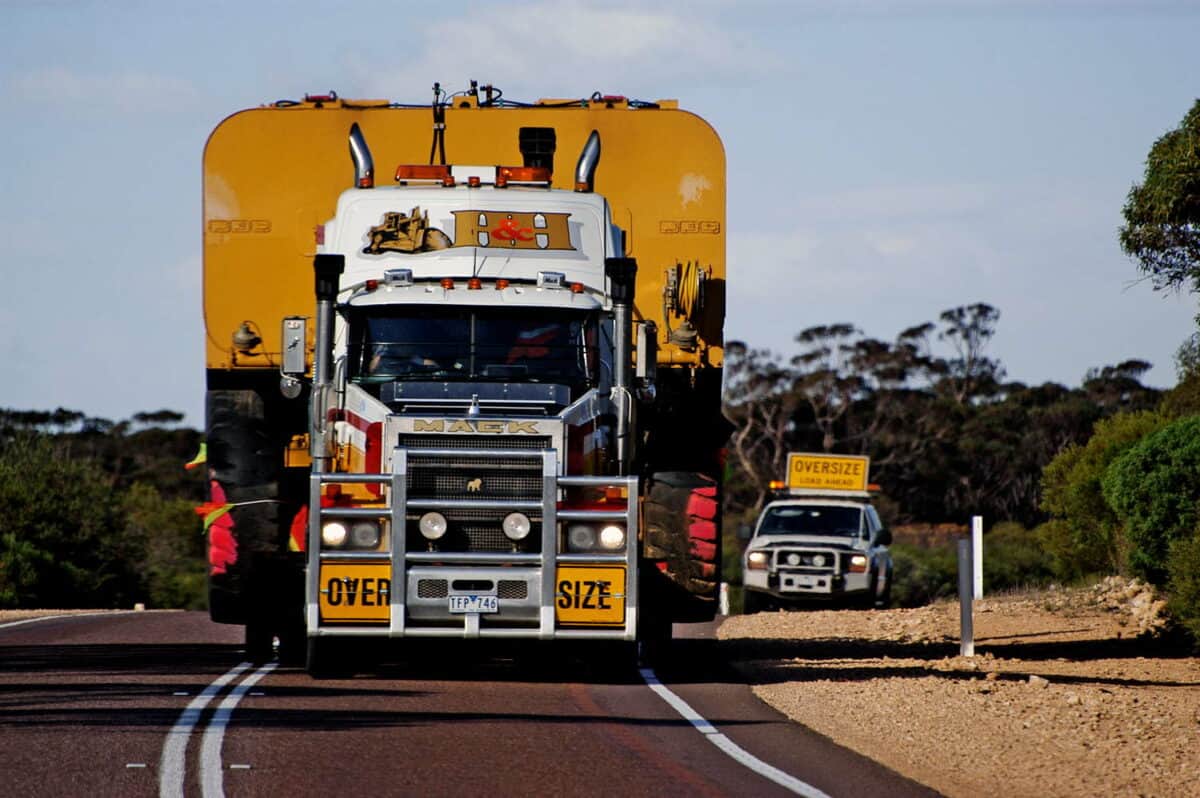
Australia’s heavy vehicle transport industry has been involved in arguing about workplace health and safety for decades. It is also one of those issues that have been largely dominated by anecdotal evidence, as shown by the recent Australian Senate Committee hearings into the “Importance of a viable, safe, sustainable and efficient road transport industry“, much to the detriment of the occupational health and safety (OHS) of the drivers, the public safety of other road users and the families of those who die in road incidents.

Subscribe to SafetyAtWorkBlog to continue reading.
Subscribe Help
Already a member? Log in here

Odd sexual harassment guidance

Safe Work Australia has released an important national occupational health and safety (OHS) guidance called “Preventing workplace sexual harassment.” The advice included is very good, but the presentation is so plain and vanilla as to be unattractive – unattractive in that there is little to encourage anyone from reading what is very important information. No images, no flowcharts, no graphics, no infographics but perhaps most importantly – no case studies.

This is not to suggest that SWA guidance needs to look like a “Dummy’s Guide”, but readability is more than grammar, understanding comes from more than just information.

Subscribe to SafetyAtWorkBlog to continue reading.
Subscribe Help
Already a member? Log in here

Give Duty of Care and Workers’ Compensation a good shake

At the2020 Australia and New Zealand Society of Occupational Medicine (ANZSOM) annual scientific meeting, Dr David Goddard spoke about “Regulation: when expectations go unmet”. In a wide-ranging presentation Goddard spoke of Australia’s occupational health and safety (OHS) laws touching on a couple of contentious governance issues:

“…… Robens-inspired law introduced the employers’ general duty of care with responsibility for self-regulation. Indeed, self-regulation is essential. Without self-regulation, duty of care simply becomes a game of who to blame if things go wrong.”

Subscribe to SafetyAtWorkBlog to continue reading.
Subscribe Help
Already a member? Log in here

Interesting? Yeah. Useful? Nah.

The last six months have seen a spate of marketing surveys about the impact of COVID19 on workplaces as well as the secondary consequences, such as mental health. On 18 January 2021, The Australian Financial Review (AFR) published an article based on one of these types of surveys conducted by the “work management platform Asana” which claimed:

“Almost three-quarters of Australians suffered burnout last year and the average office worker’s overtime nearly doubled from 236 hours in 2019 to 436 hours, a global study of more than 13,000 office workers reveals.”

This is inaccurate.

Subscribe to SafetyAtWorkBlog to continue reading.
Subscribe Help
Already a member? Log in here

Mandatory COVID19 vaccinations? Yep.

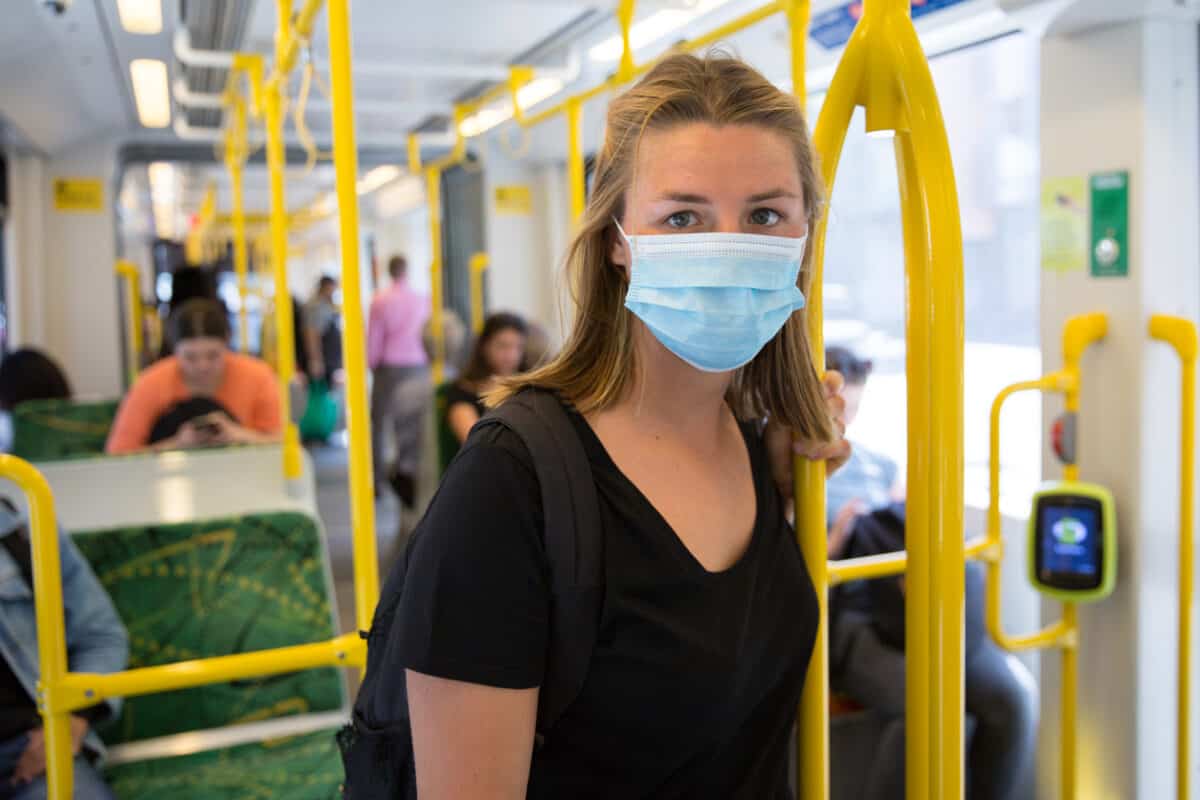
Each Monday in January 2021, workers are returning to workplaces, worksites, and offices, often with regret that the Christmas/New Year break was not long enough. This year their return is complicated by concerns about COVID19.

The major talking point, at least in Australia, is “can an employer force a worker to be vaccinated as a condition of returning to work?” and the answer seems to be “Yes”.

Subscribe to SafetyAtWorkBlog to continue reading.
Subscribe Help
Already a member? Log in here
Concatenate Web Development
© Designed and developed by Concatenate Aust Pty Ltd